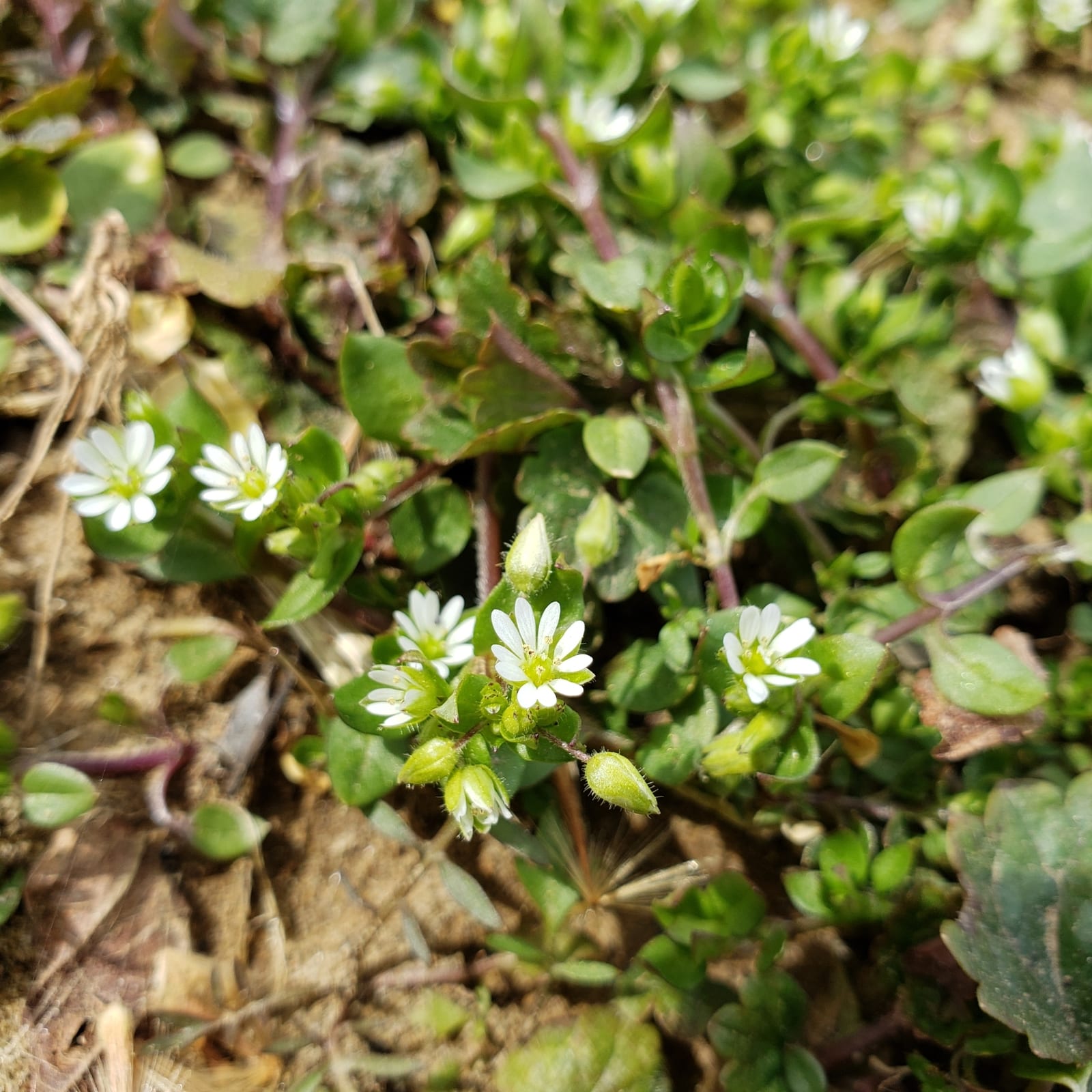
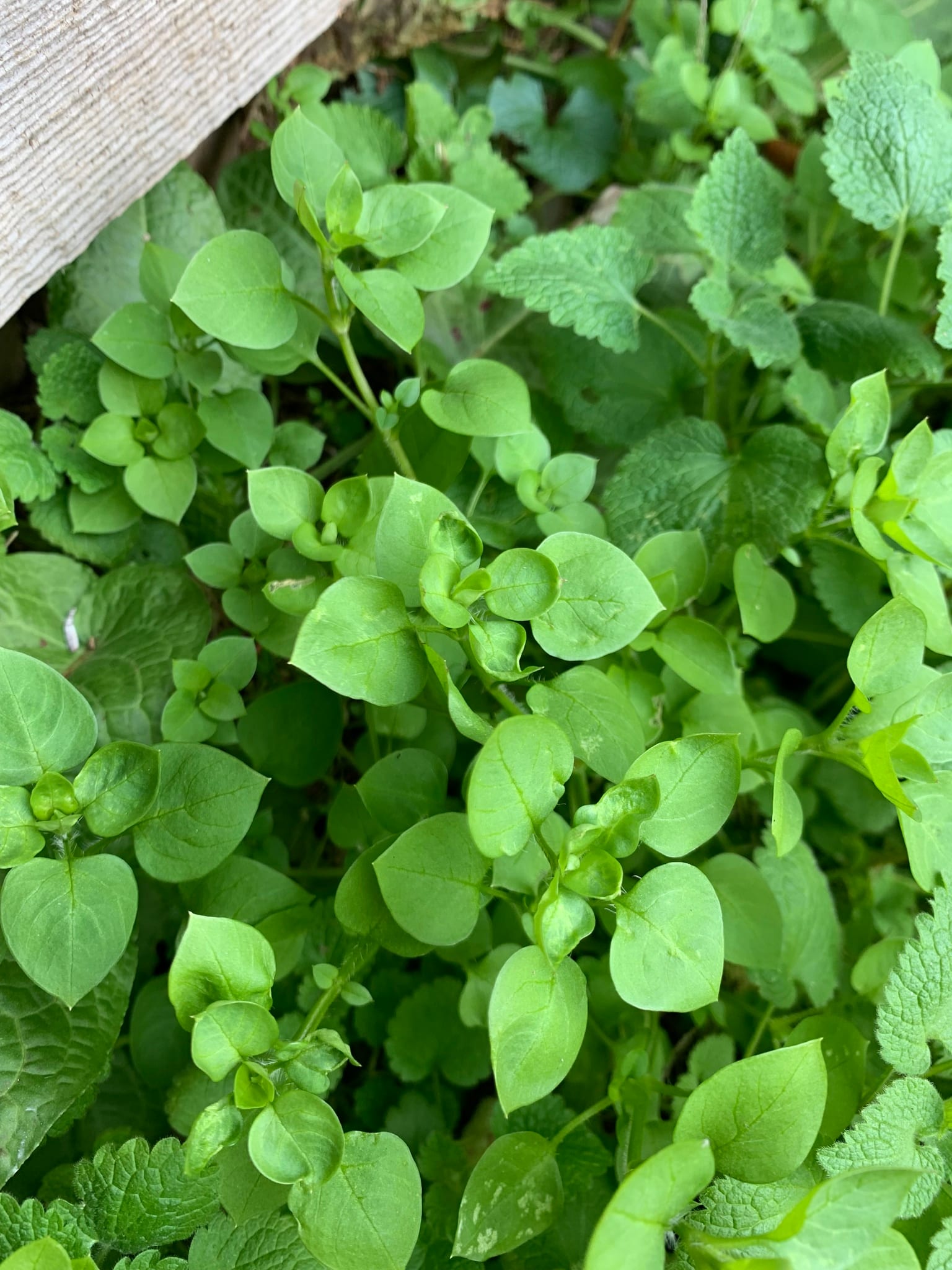
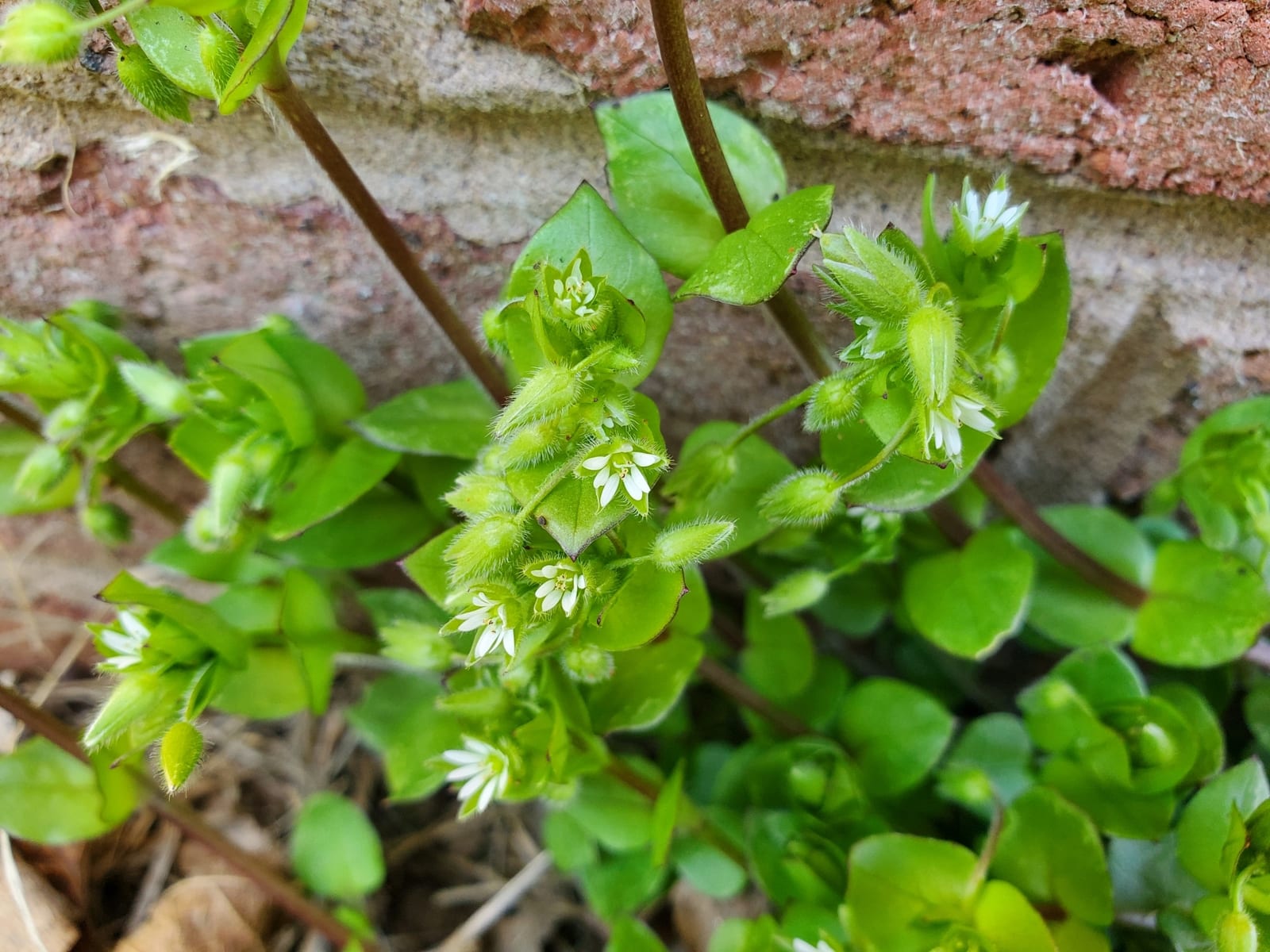
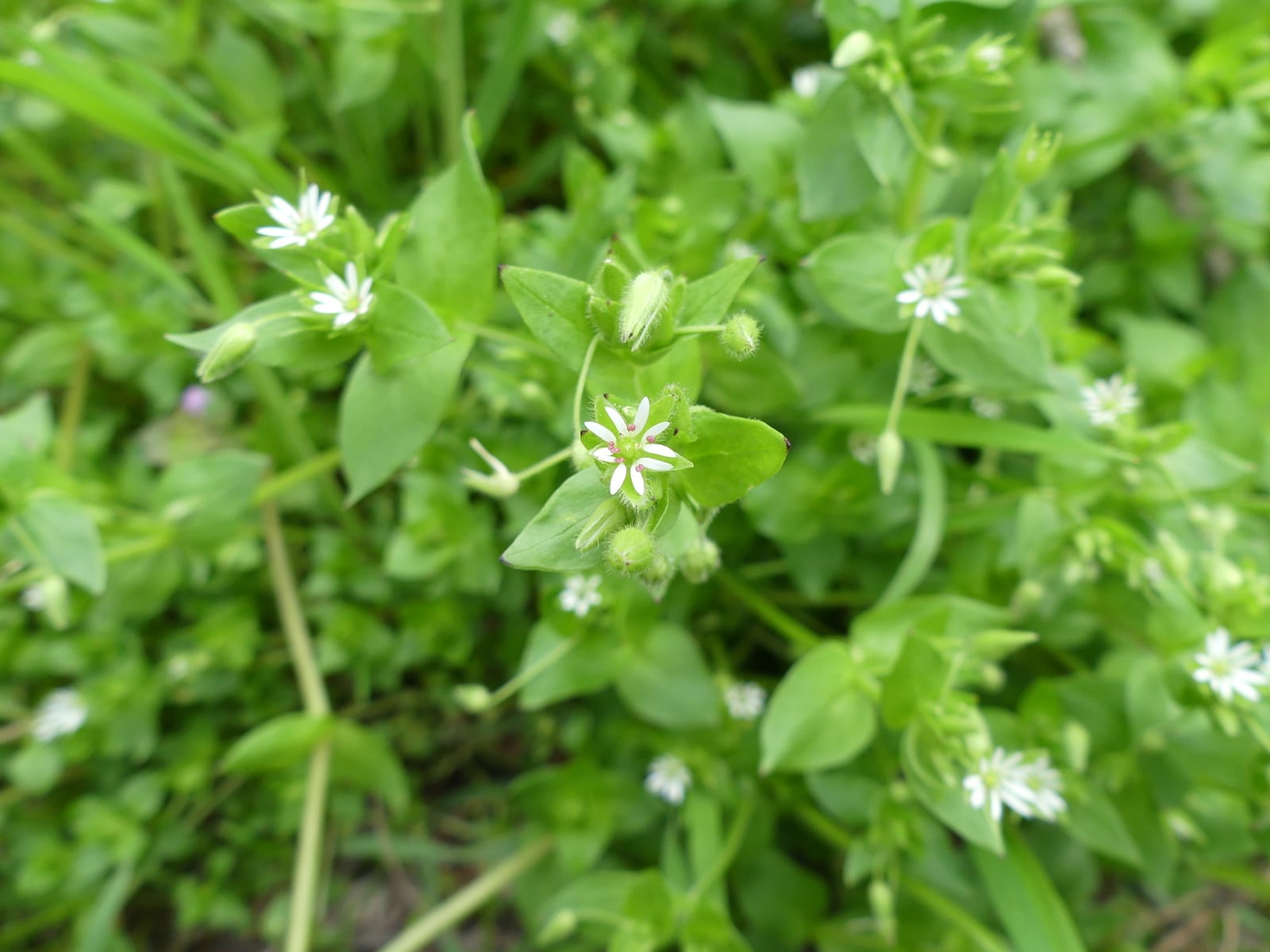
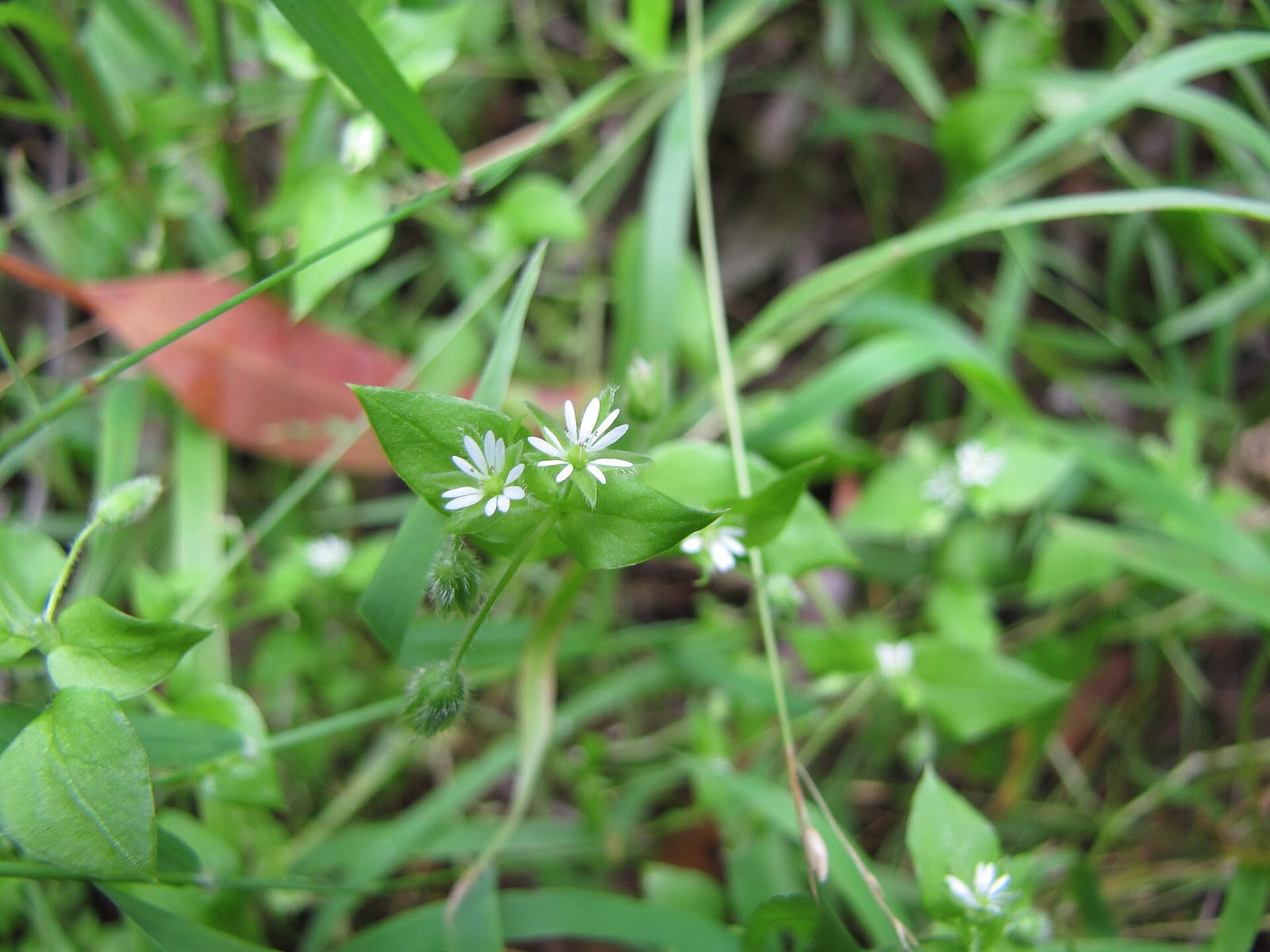
Low, sprawling cool-season green with a single line of hairs on the stem. Spurge is the look-alike to rule out.
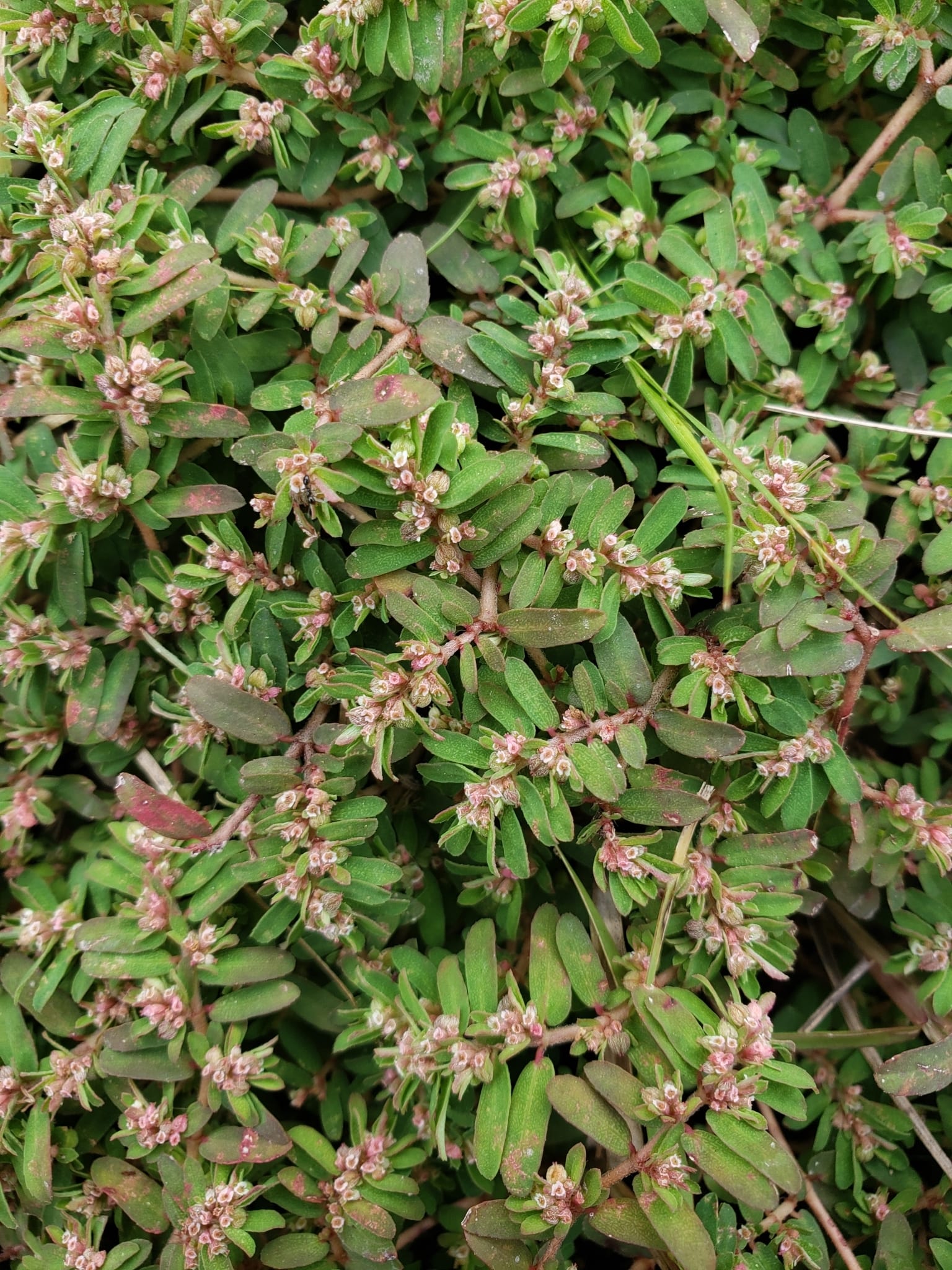
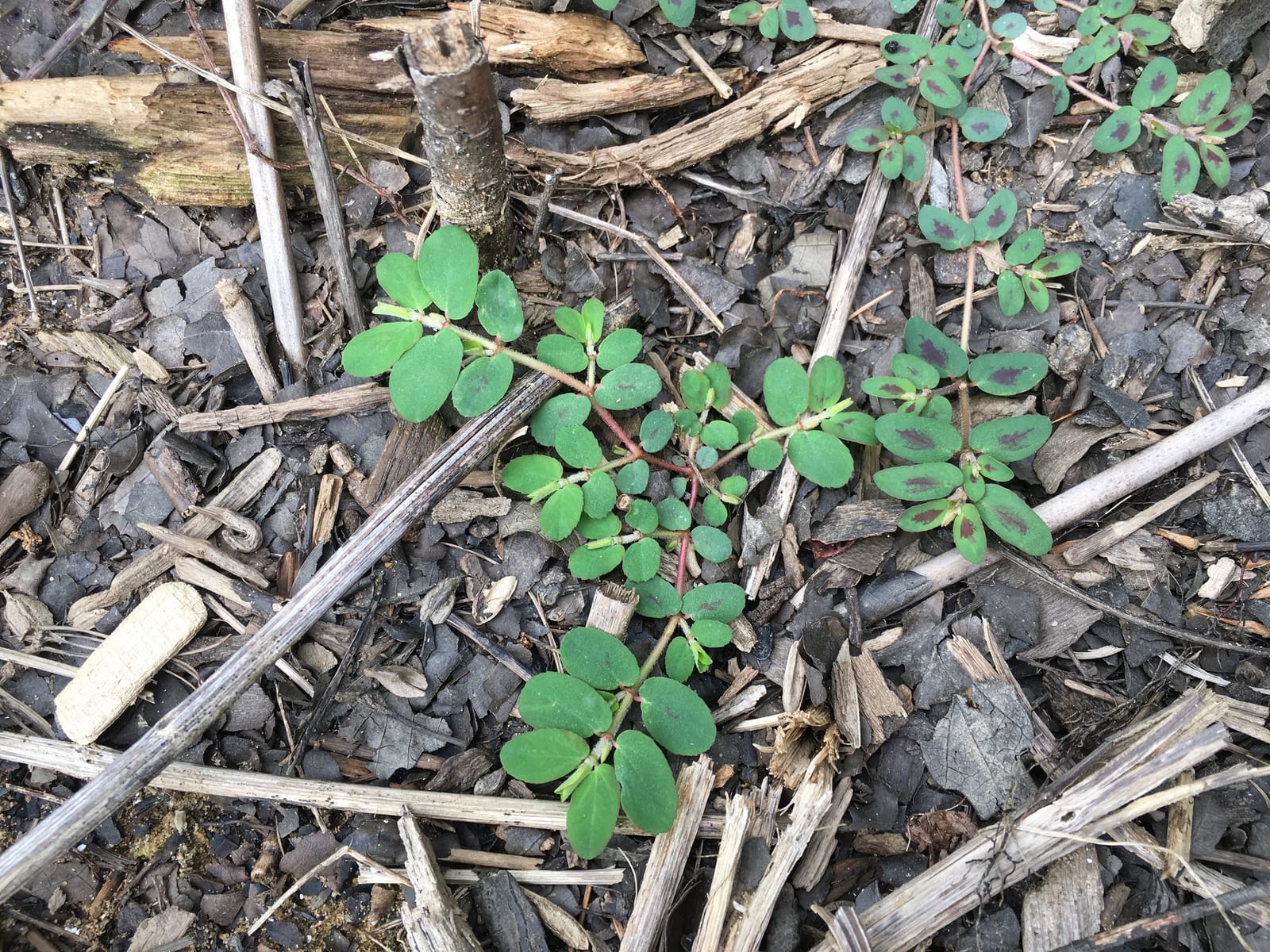
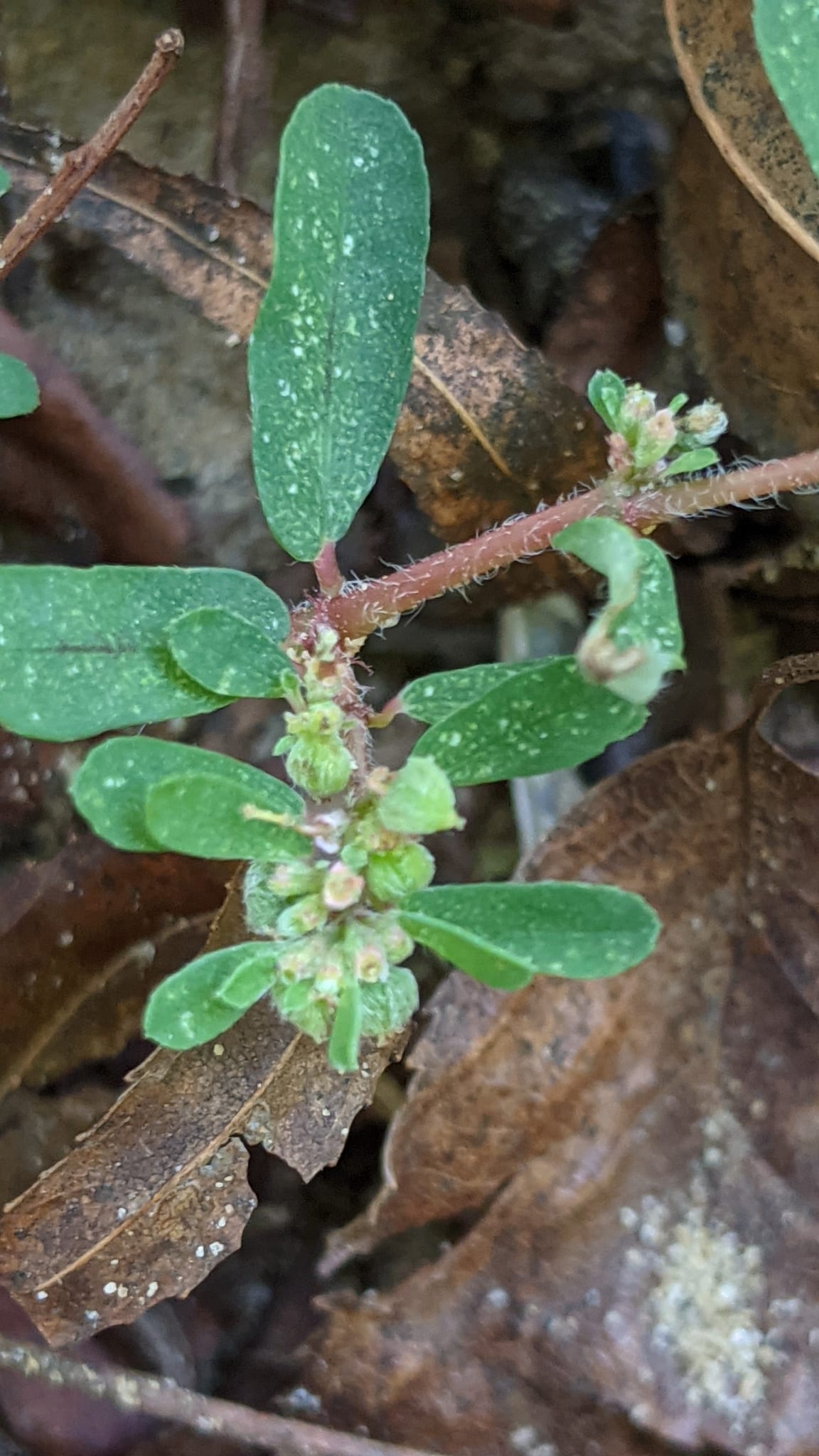
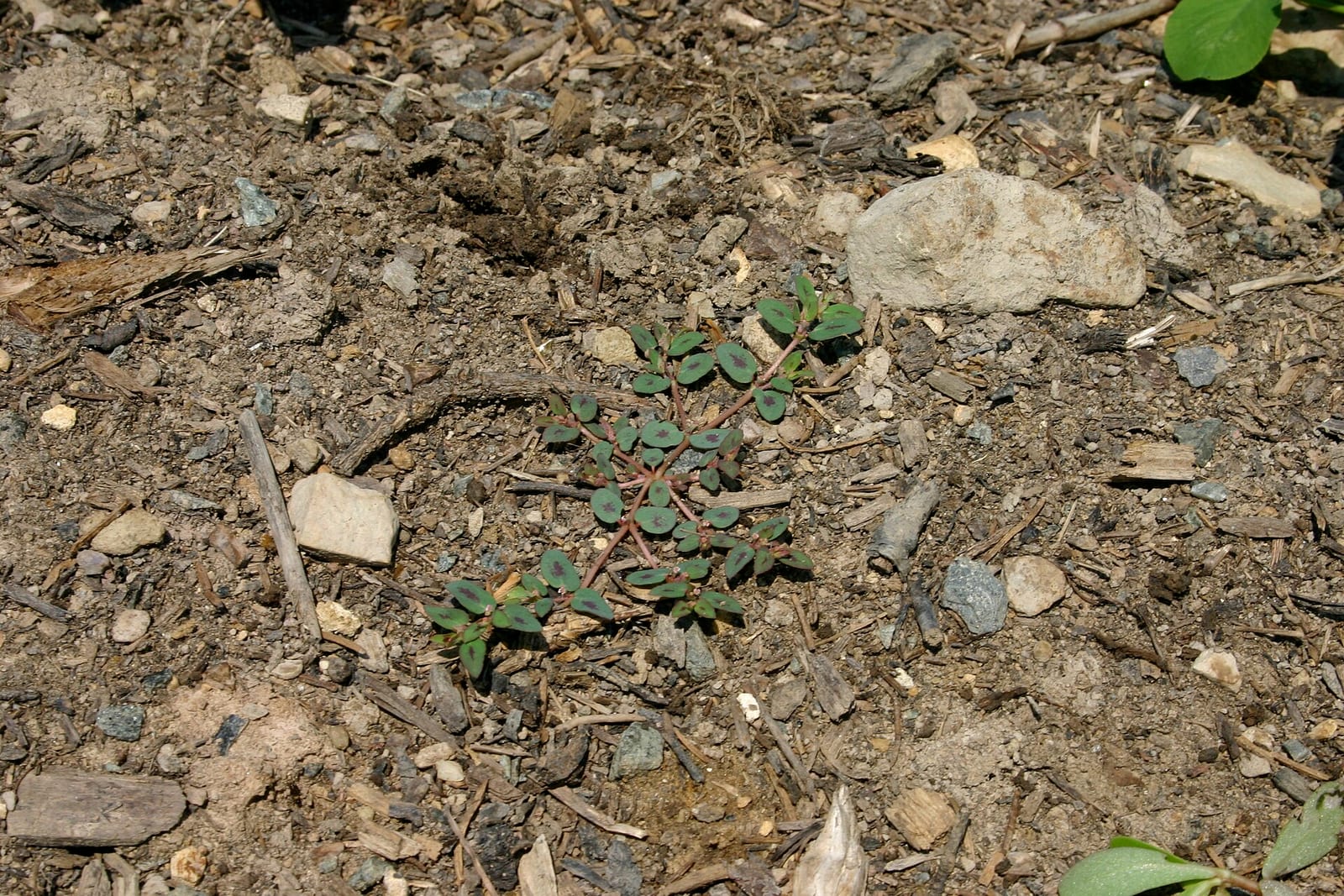
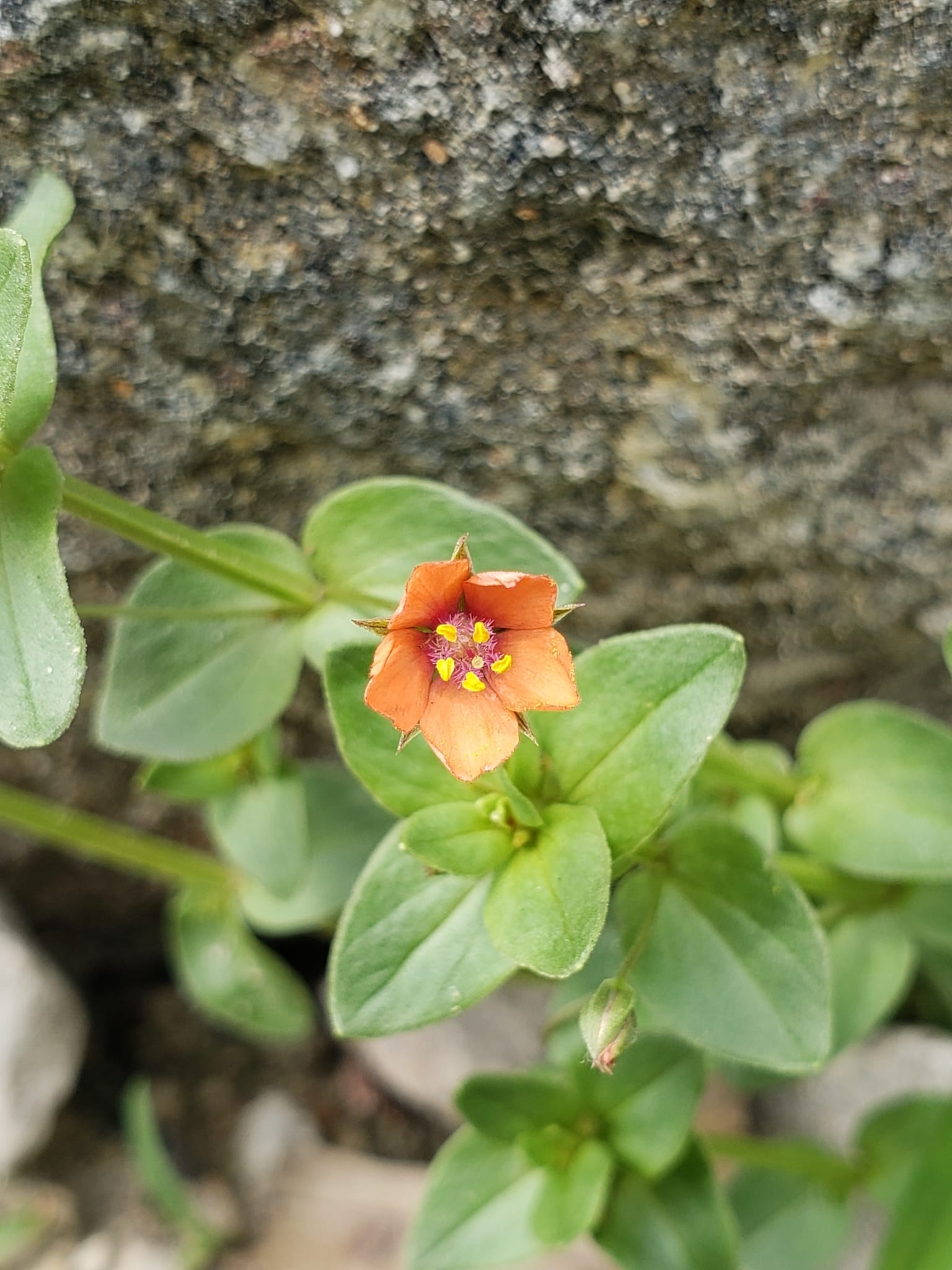
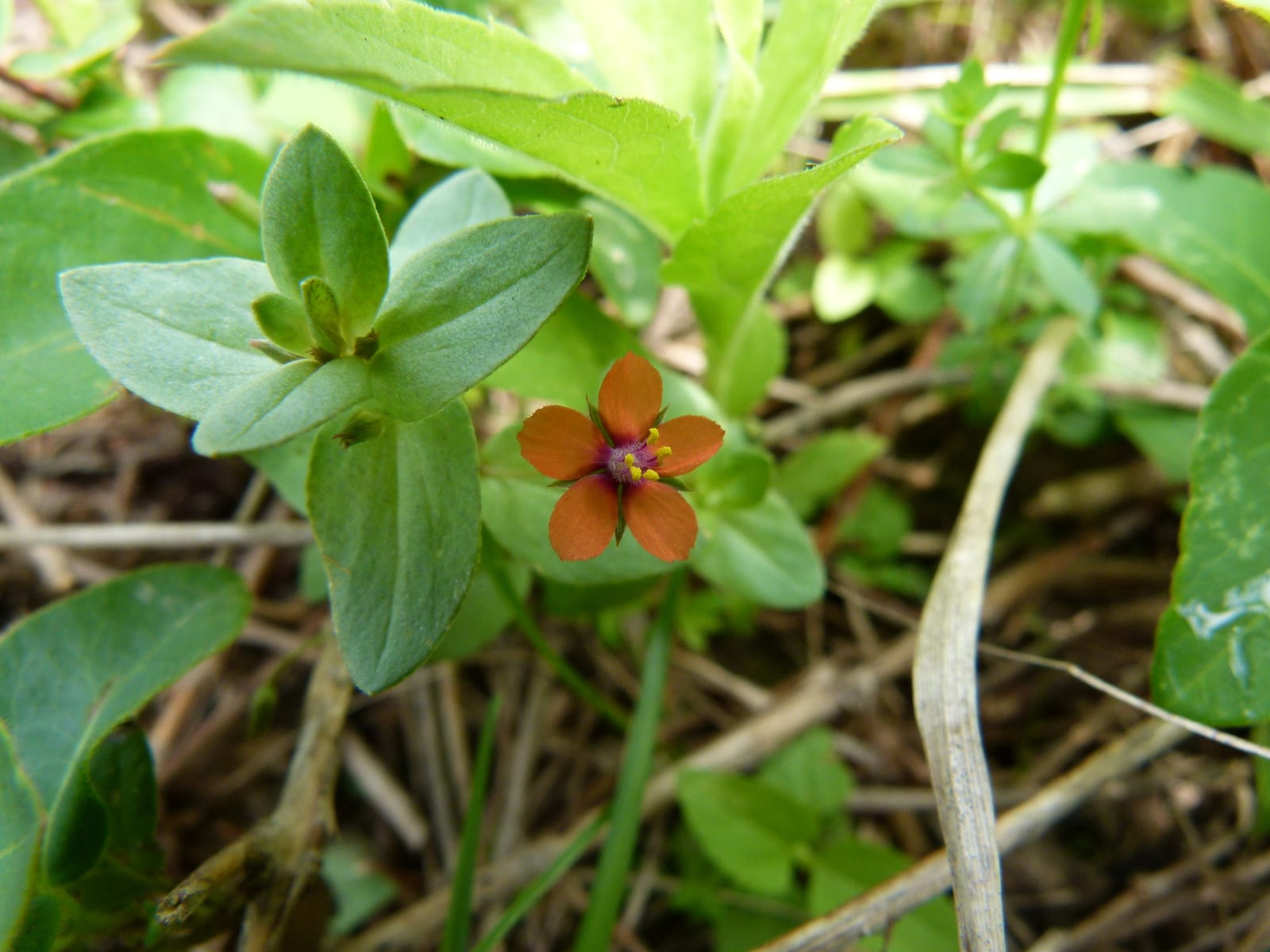
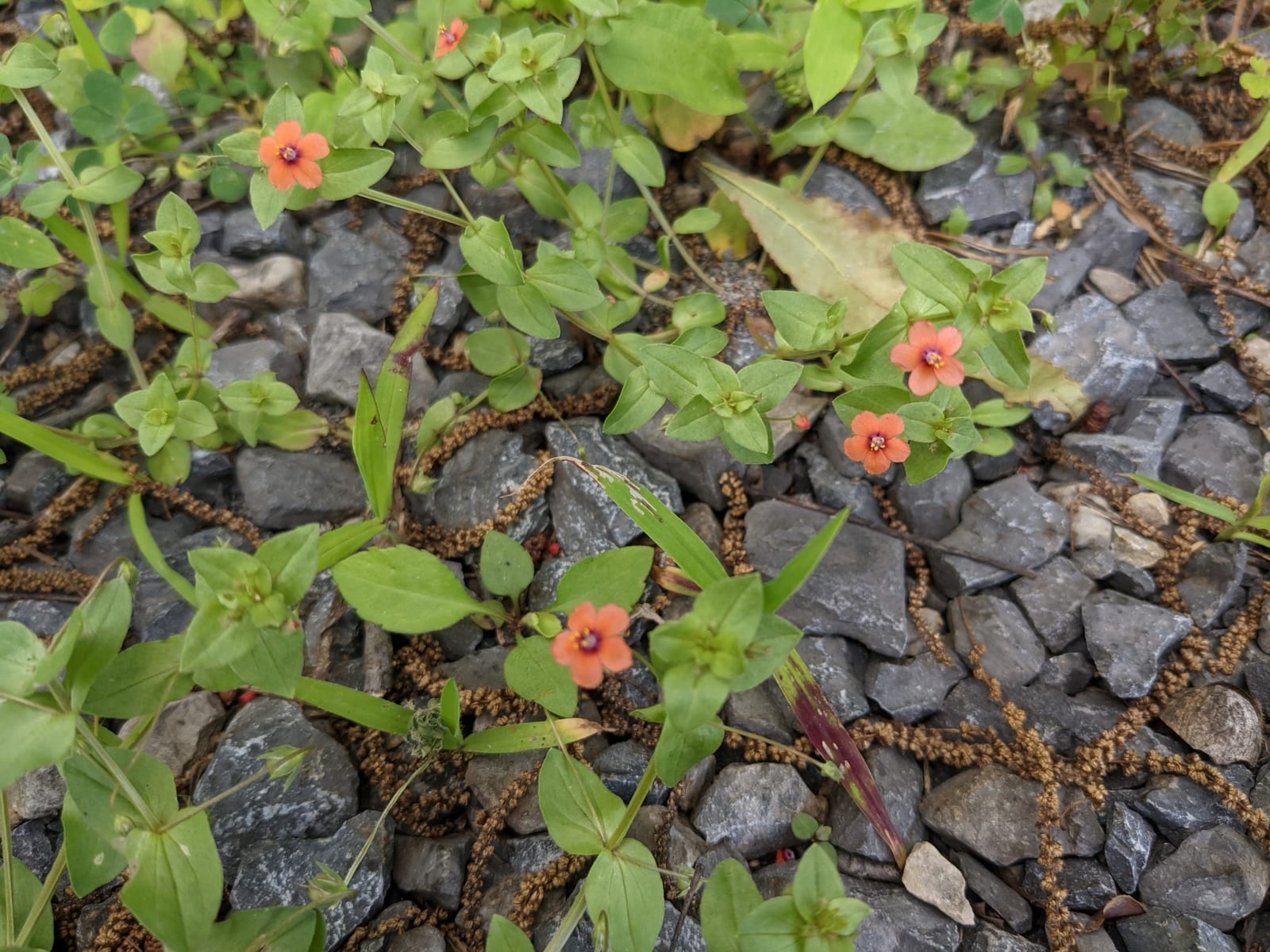
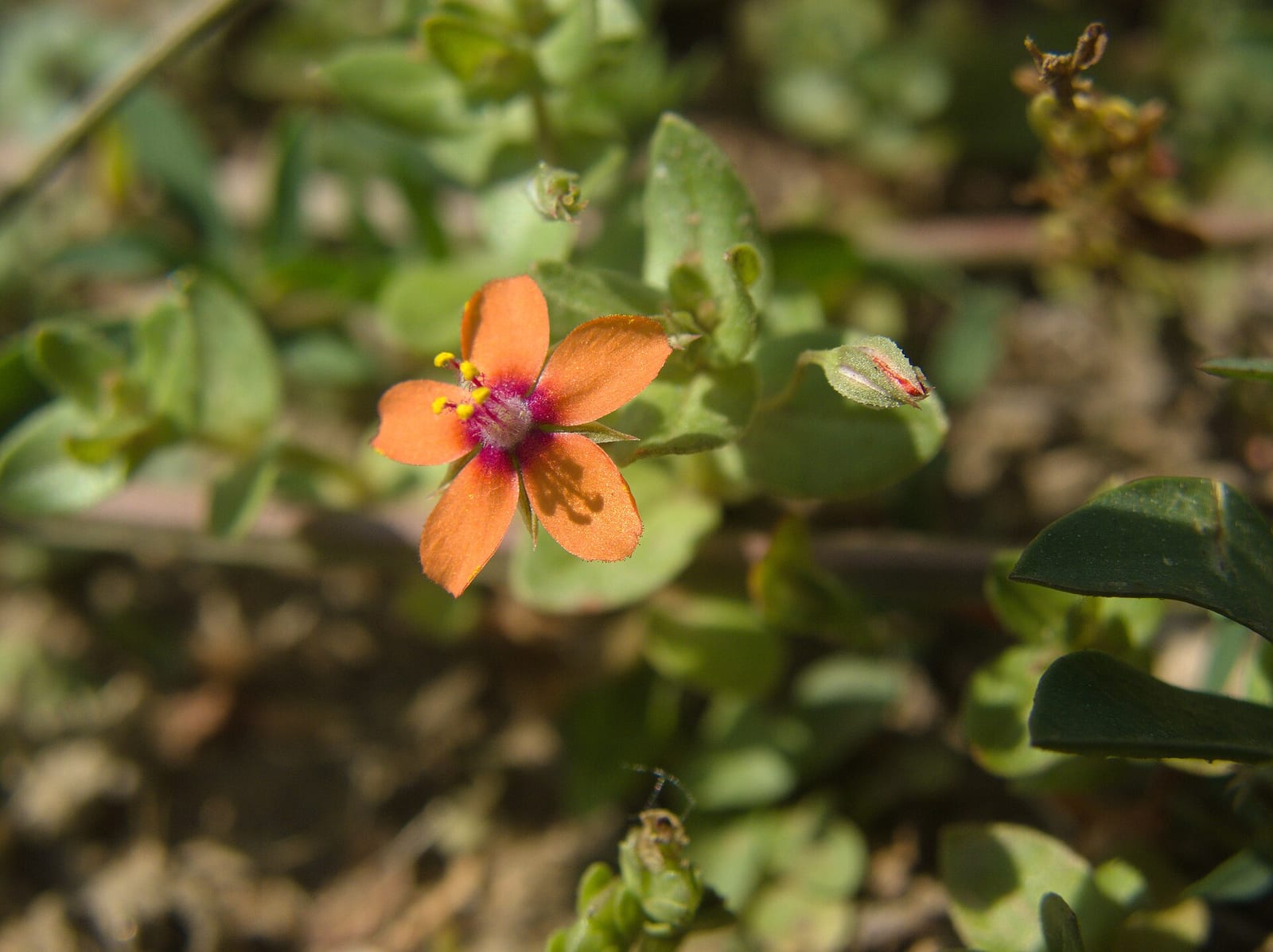
Whole plantPhoto: John Brown · CC0 · sourceWhole plantPhoto: Ian Wolfe · CC0 · sourceWhole plantPhoto: Luke Wildfire · CC BY · sourceWhole plantPhoto: botanygirl · CC BY · sourceFlowerPhoto: Forest and Kim Starr · CC BY 3.0 us · sourceLook-alike side by sideSpotted spurge (Euphorbia maculata), a toxic look-alikePhoto: John Brown · CC0 · sourceLook-alike side by sideSpotted spurge (Euphorbia maculata), a toxic look-alikePhoto: runcator · CC BY · sourceLook-alike side by sideSpotted spurge (Euphorbia maculata), a toxic look-alikePhoto: Erin Lalime · CC BY · sourceLook-alike side by sideSpotted spurge (Euphorbia maculata), a toxic look-alikePhoto: SB Johnny · CC BY-SA 3.0 · sourceLook-alike side by sideScarlet pimpernel (Lysimachia arvensis), a toxic look-alikePhoto: John Brown · CC0 · sourceLook-alike side by sideScarlet pimpernel (Lysimachia arvensis), a toxic look-alikePhoto: botanygirl · CC BY · sourceLook-alike side by sideScarlet pimpernel (Lysimachia arvensis), a toxic look-alikePhoto: Matthew Gerke · CC BY · sourceLook-alike side by sideScarlet pimpernel (Lysimachia arvensis), a toxic look-alikePhoto: Cbaile19 · CC0 · source
Confirm EVERY point before you eat it
0 of 5 confirmed. If any point does not match, it is not this plant.
Look-alikes to rule out
Spotted/prostrate spurgeToxic
Milky white sap when broken, flat mat, often a red-purple blotch on each leaf. Irritating and toxic.
Scarlet pimpernelToxic
Square stem, orange-red flowers, dark dots on the underside of the leaf.
In season
J
F
M
A
M
J
J
A
S
O
N
D
March, April, May, October, November
Cool-season plant; dies back in summer heat.
Habitat
Gardens, shaded lawn edges, disturbed damp soil.
Parts used
tender stems, leaves, flowers
Preparation and use
Raw in salads or pesto, in moderation.
Harvest note
Harvest from clean, unsprayed beds.
Educational reference only. Never eat a wild plant or mushroom based on a website or app. Confirm with an experienced forager, your local extension office, or a mycological club. Poison Control (US): 1-800-222-1222. Call 911 for severe symptoms.