Spicebush
Lindera benzoin
Also called: wild allspice
Aromatic understory shrub with yellow spring flowers and red berries used like allspice.
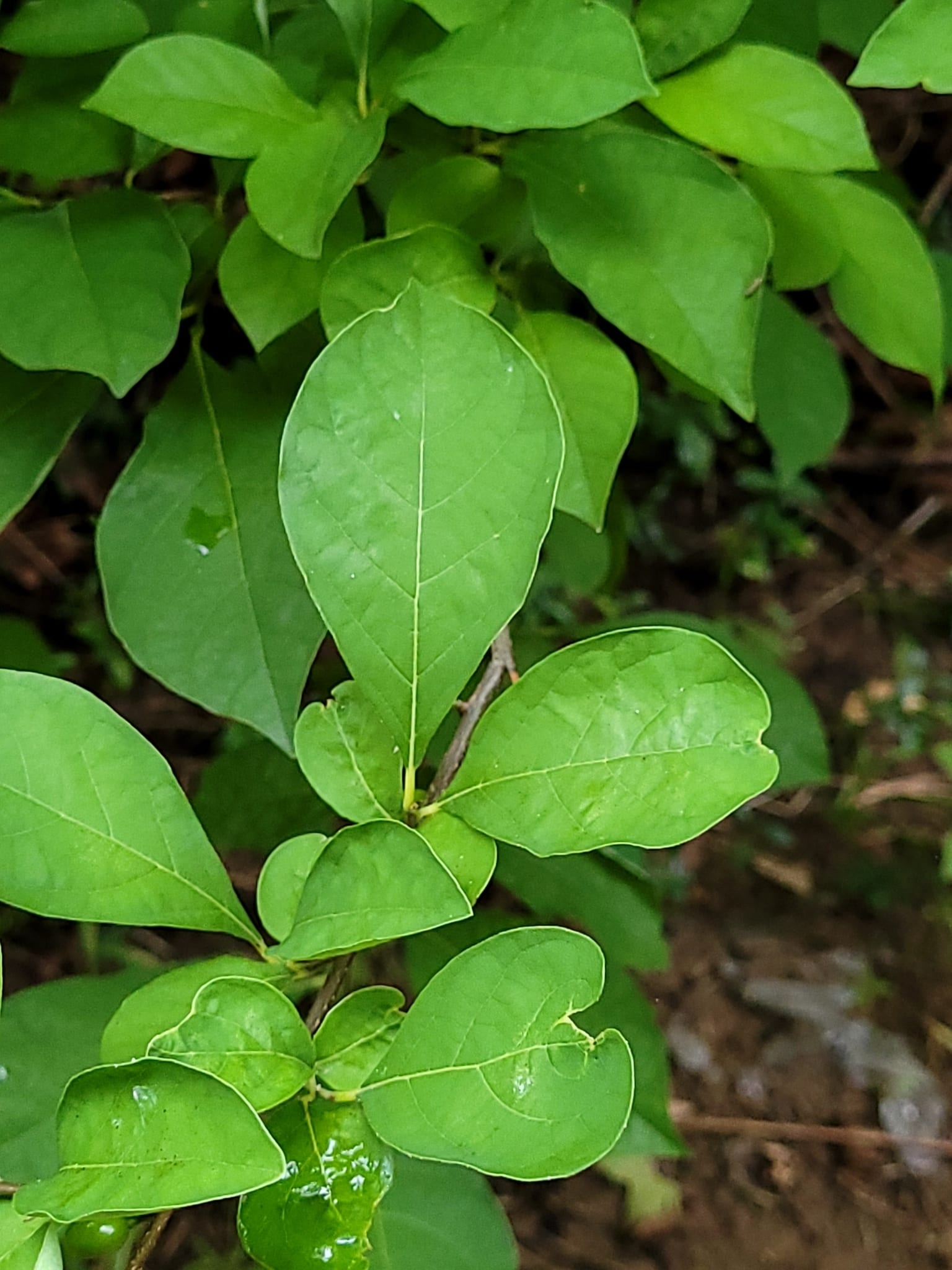
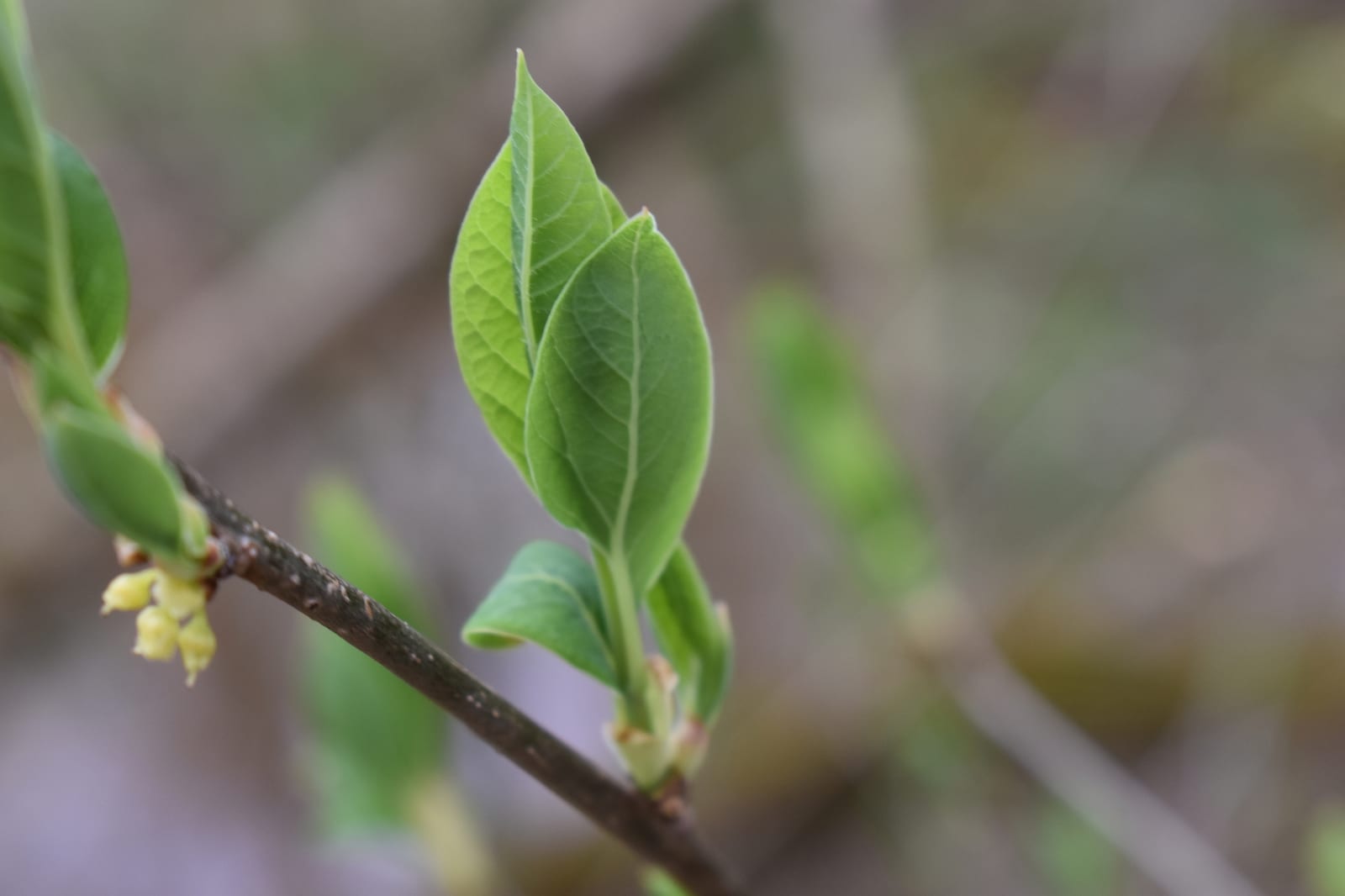
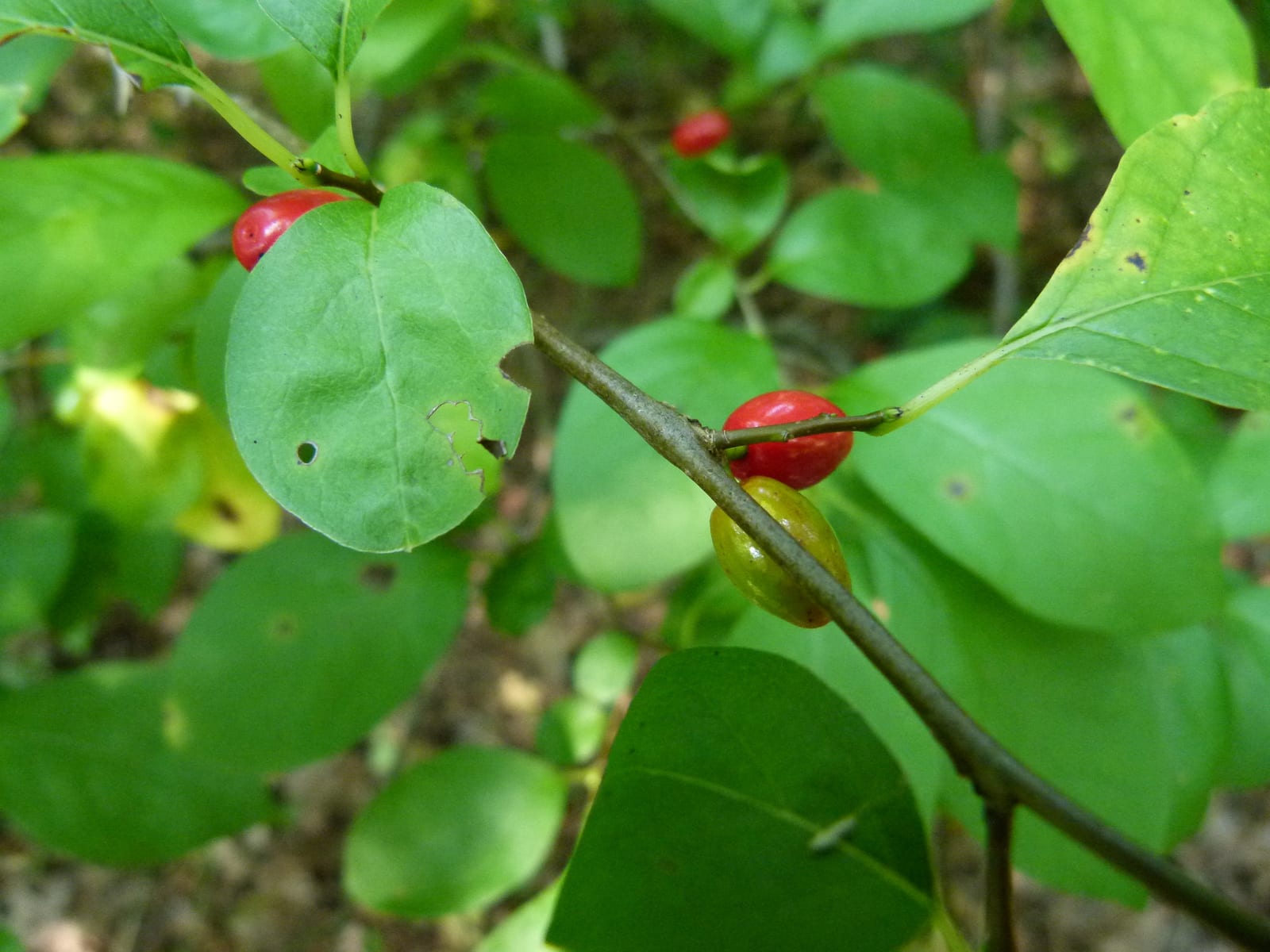
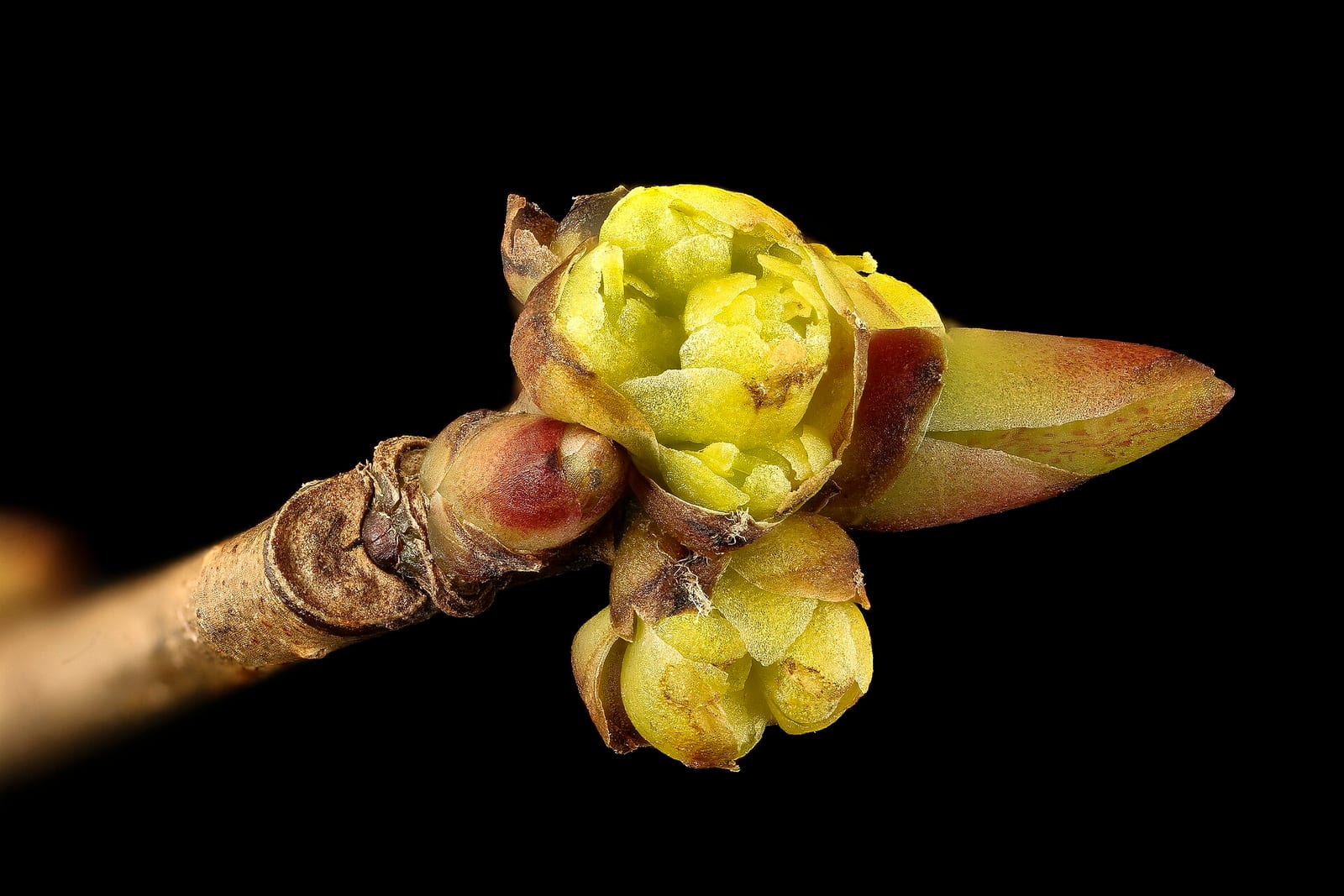
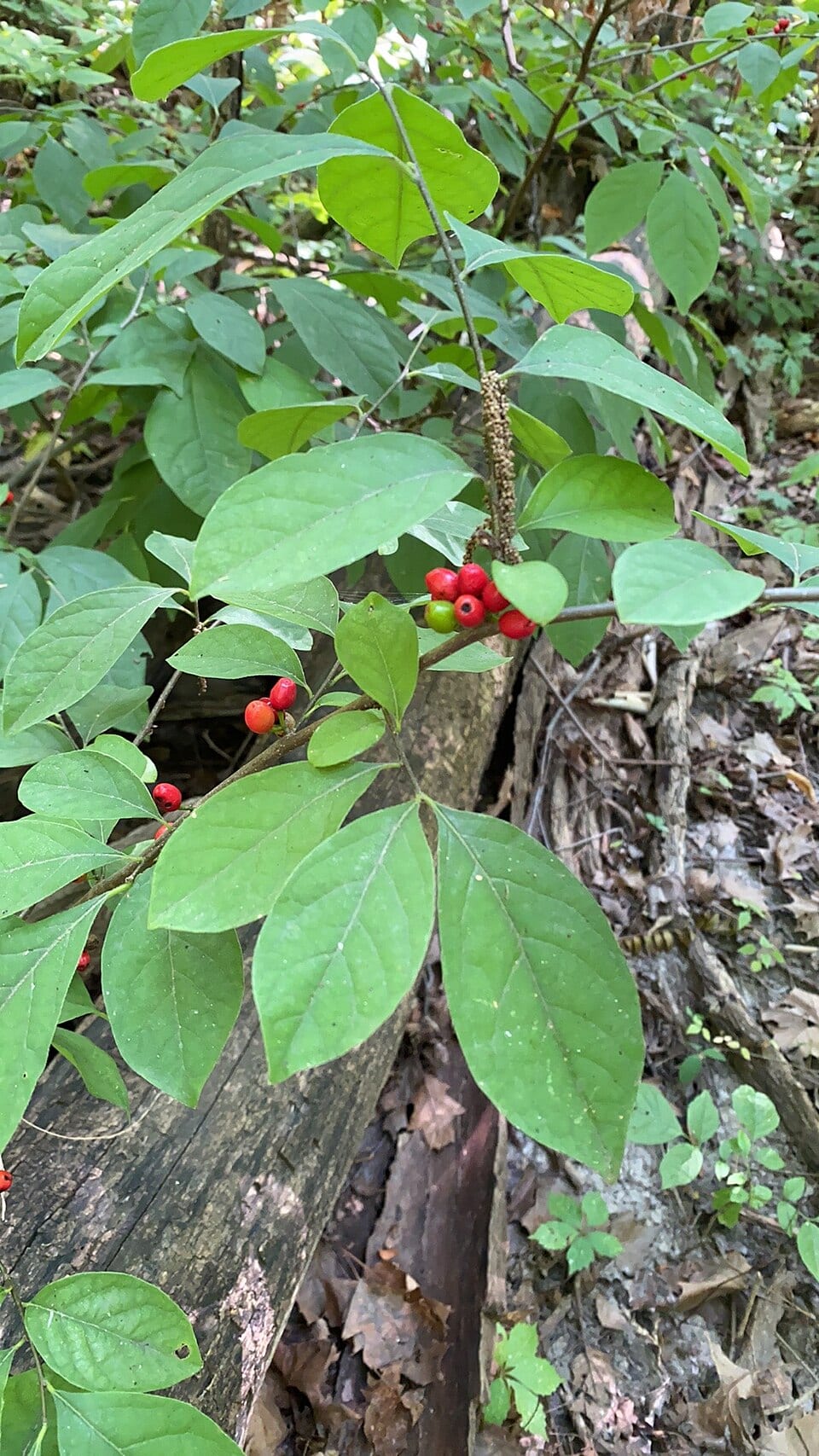
Confirm EVERY point before you eat it
0 of 4 confirmed. If any point does not match, it is not this plant.
Look-alikes to rule out
- Winterberry hollyToxic
Toothed leaves, no spicy smell, berries persist through winter. Berries are mildly toxic.
- SassafrasHarmless
Aromatic but leaves are mitten-shaped or lobed on the same tree.
In season
March, April, August, September, October
Flowers March-April before leaves; berries August-October.
Habitat
Parts used
Preparation and use
Harvest note
Educational reference only. Never eat a wild plant or mushroom based on a website or app. Confirm with an experienced forager, your local extension office, or a mycological club. Poison Control (US): 1-800-222-1222. Call 911 for severe symptoms.