Wild ForageCaution
Stinging nettle
Urtica dioica
Also called: nettle
Opposite, toothed leaves with stinging hairs. Excellent cooked green when harvested young.
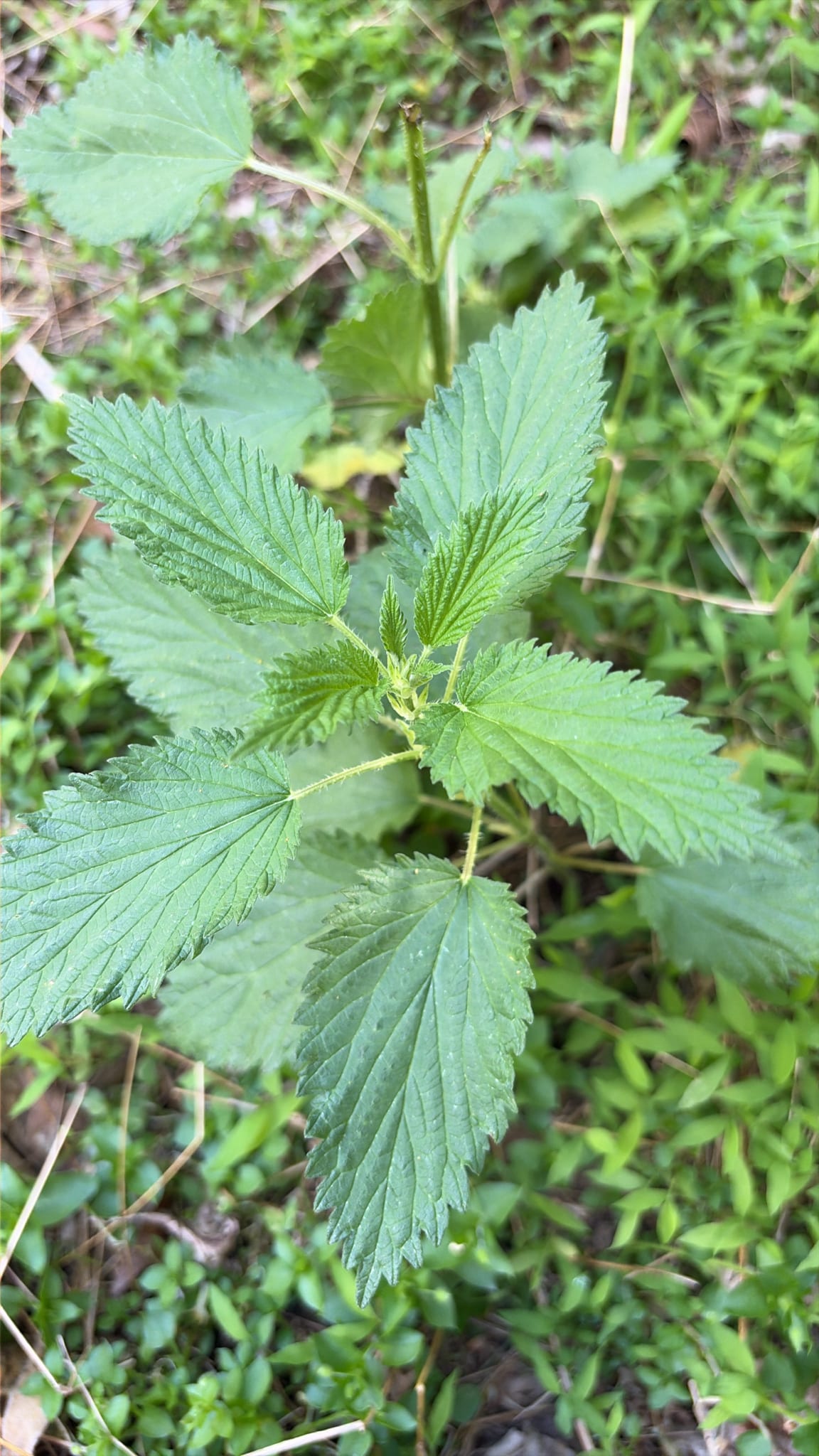
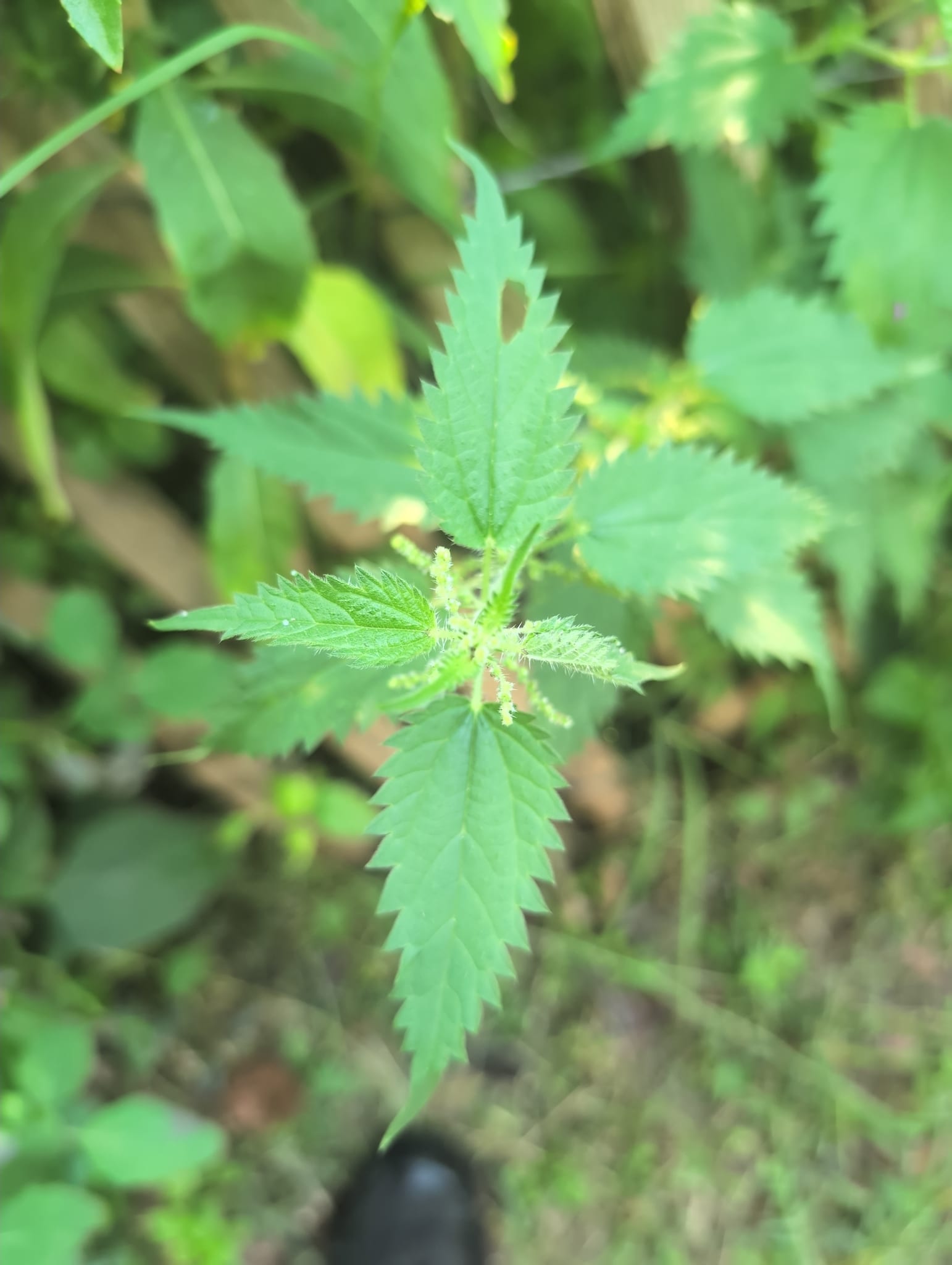
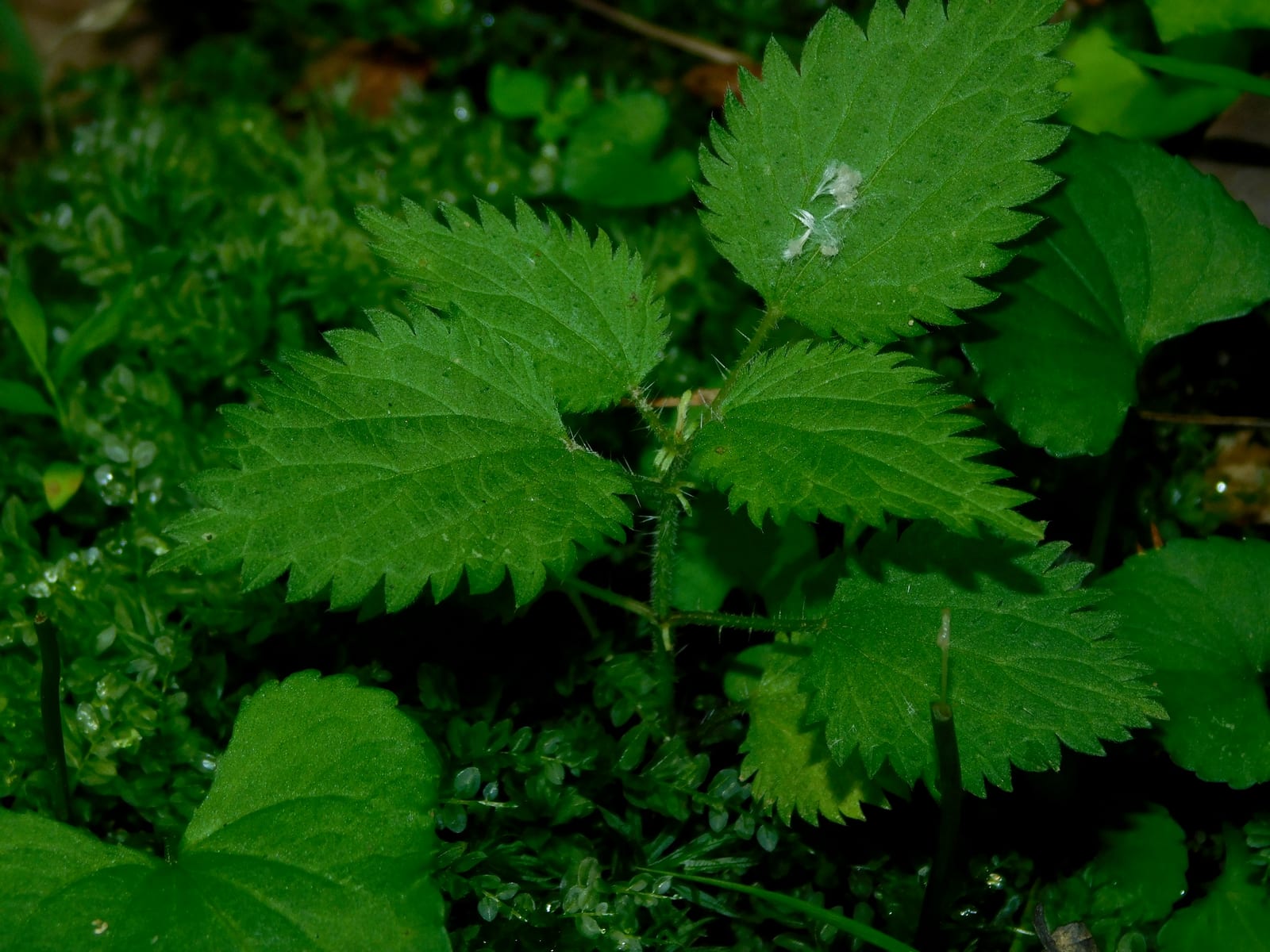
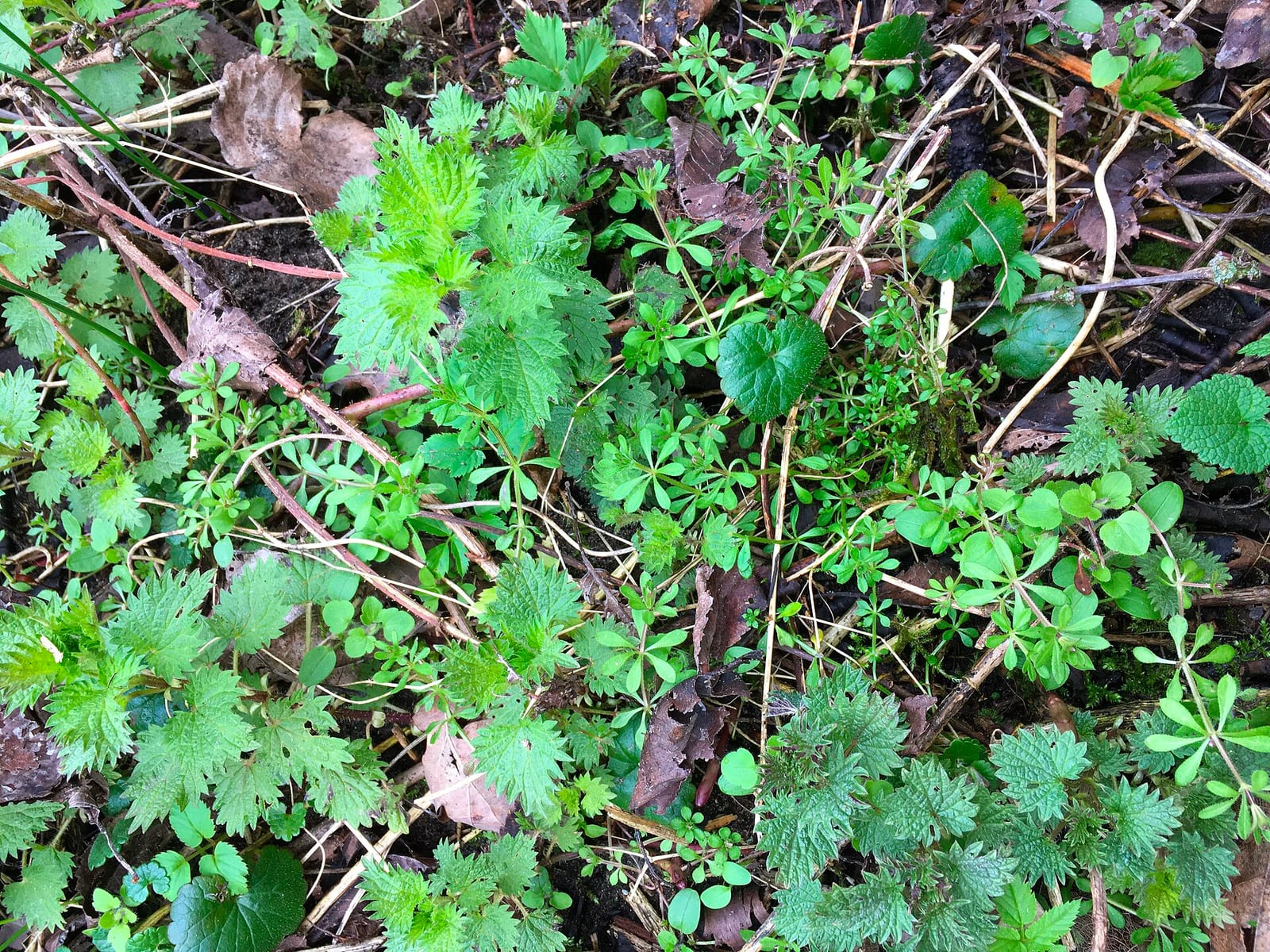
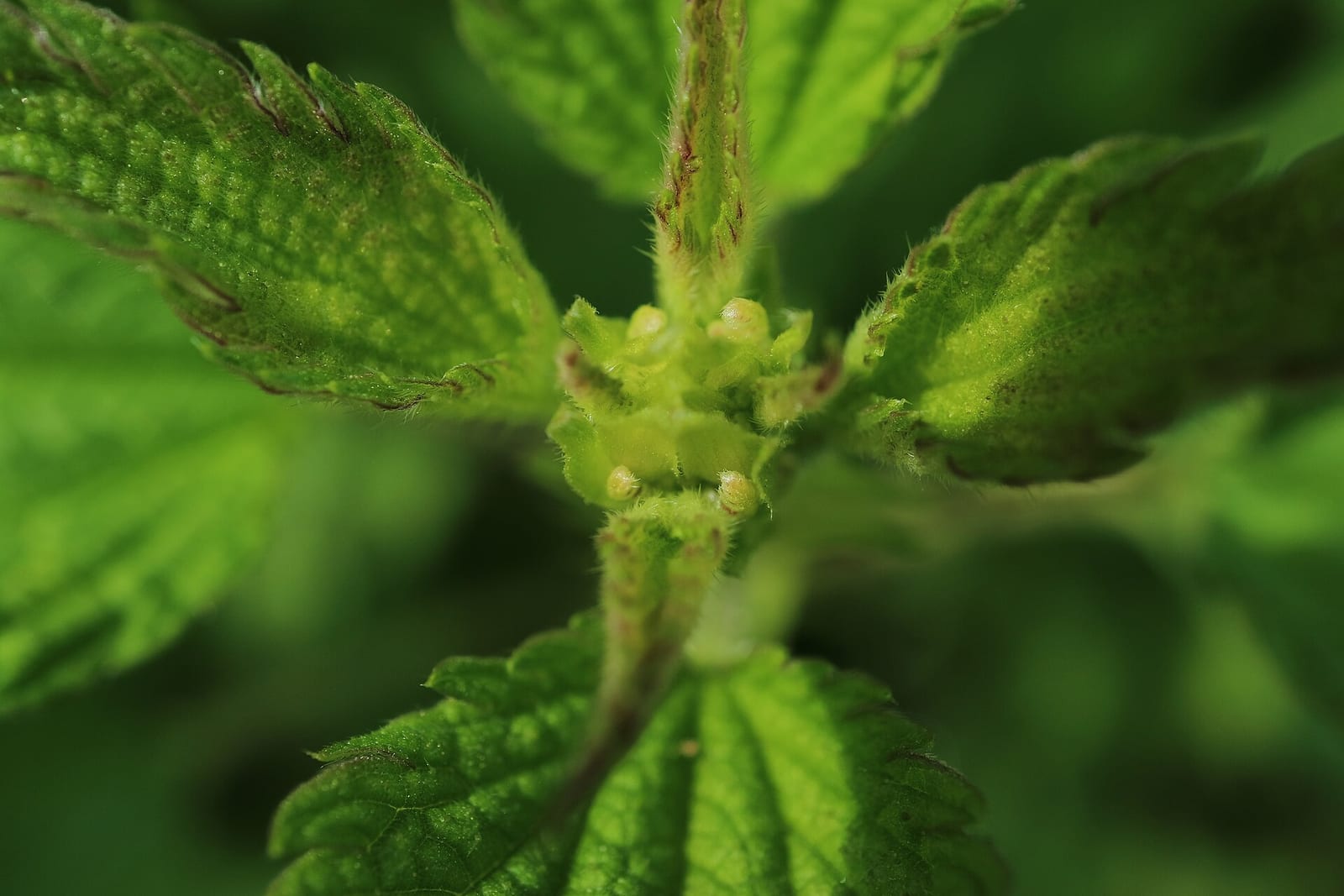
Confirm EVERY point before you eat it
0 of 4 confirmed. If any point does not match, it is not this plant.
Look-alikes to rule out
- Wood nettleHarmless
Leaves alternate rather than opposite; also stings; also edible cooked.
- False nettleHarmless
Opposite leaves but no sting. Edible.
- Dead nettleHarmless
Fuzzy scalloped leaves, purple-pink flowers, no sting. Edible.
Warnings
- Wear gloves. Cook or dry before eating to remove the sting; never eat raw.
- After flowering, older leaves carry gritty crystals that can irritate the urinary tract. Use young tips only.
In season
March, April, May, June
Harvest tips before flowering.
Habitat
Rich moist soil, creek banks, woodland edges, old barnyards.
Parts used
young leaf tips
Preparation and use
Blanch 1-2 minutes, then use like spinach, or dry for tea.
Harvest note
Do not harvest from polluted or sprayed sites; nettle takes up nitrates.
Educational reference only. Never eat a wild plant or mushroom based on a website or app. Confirm with an experienced forager, your local extension office, or a mycological club. Poison Control (US): 1-800-222-1222. Call 911 for severe symptoms.