Sprouts & SeedlingsCaution
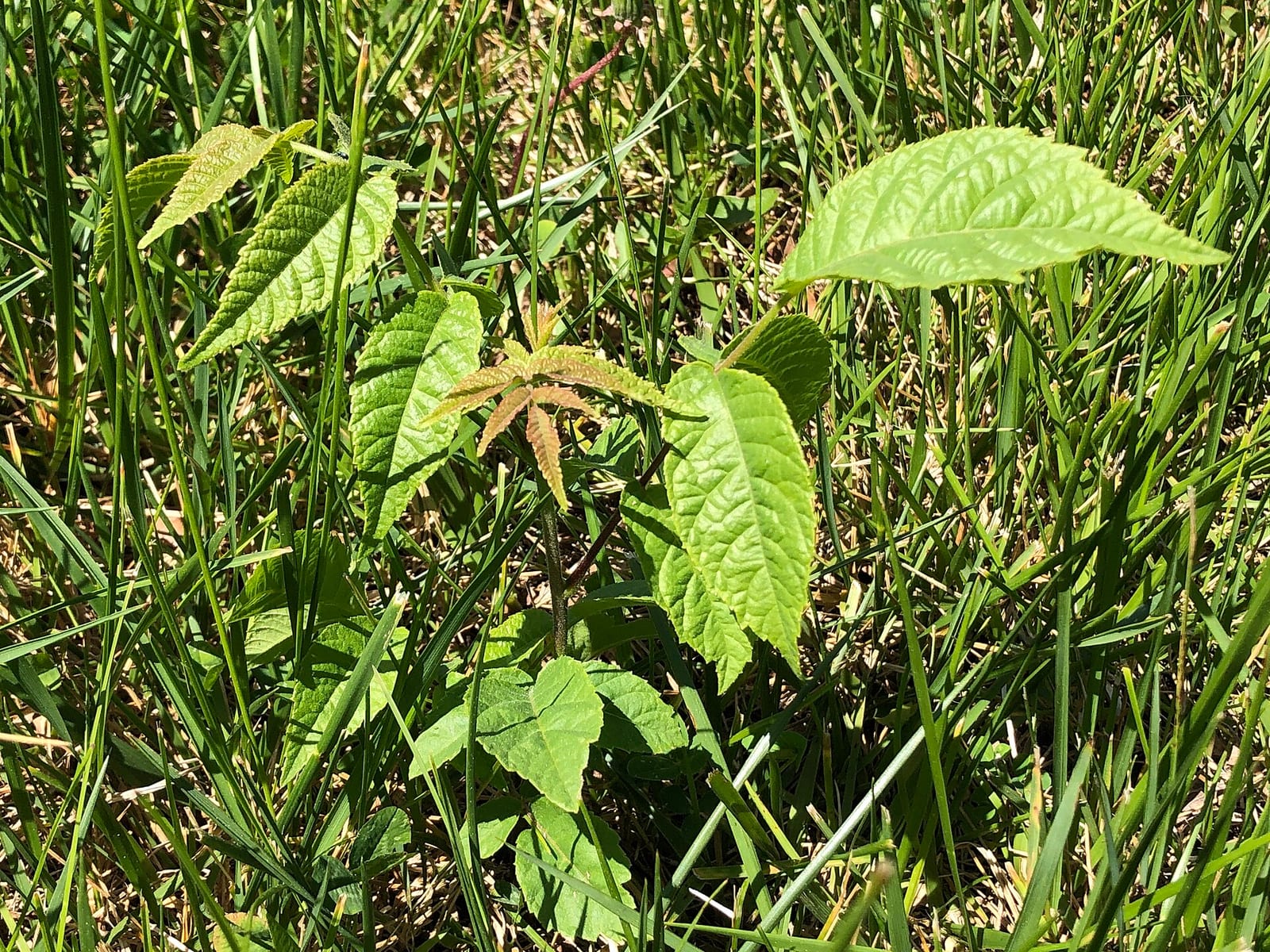
Black walnut seedling
Juglans nigra
Long-taprooted seedlings. Transplant in the first year only, and plant far from gardens because of juglone.
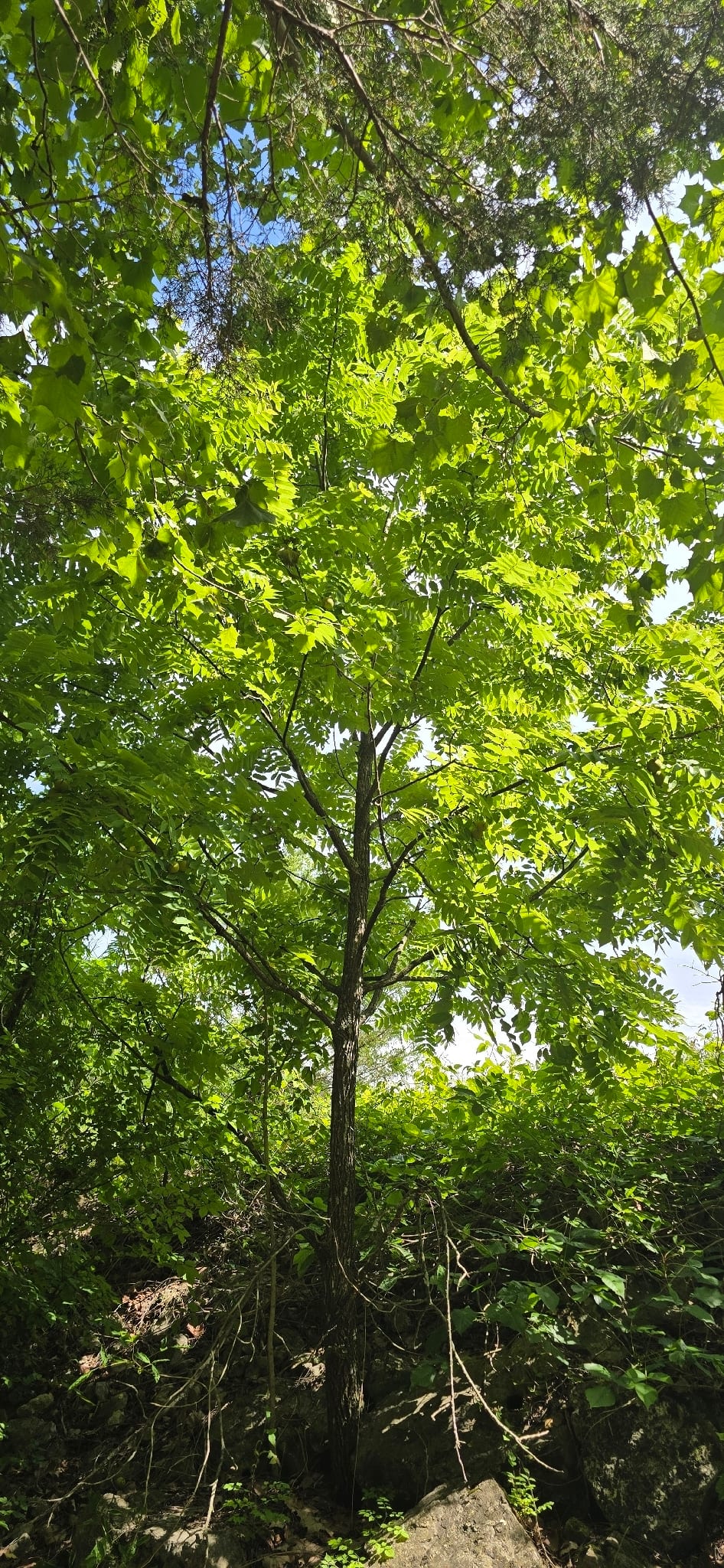
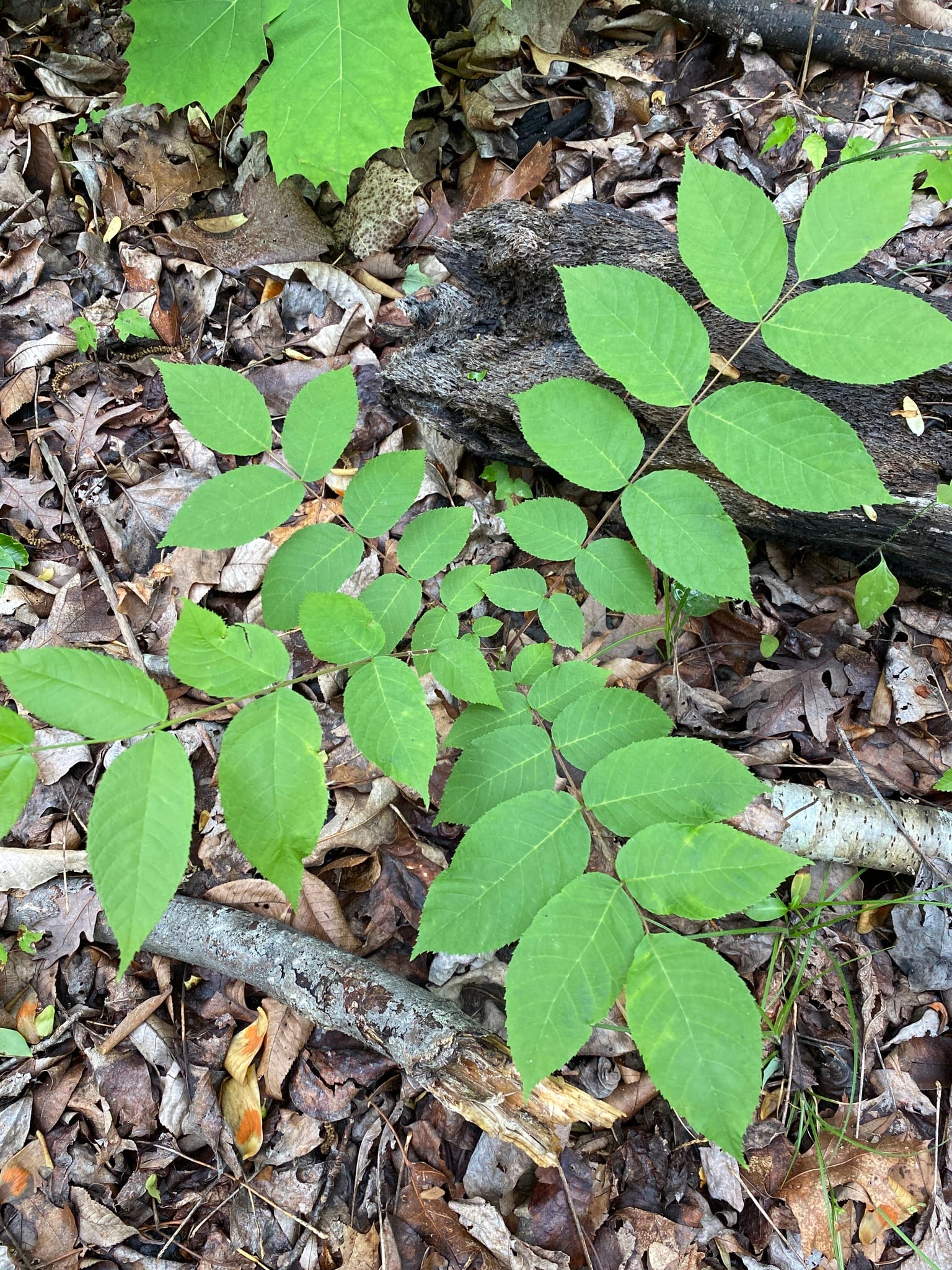
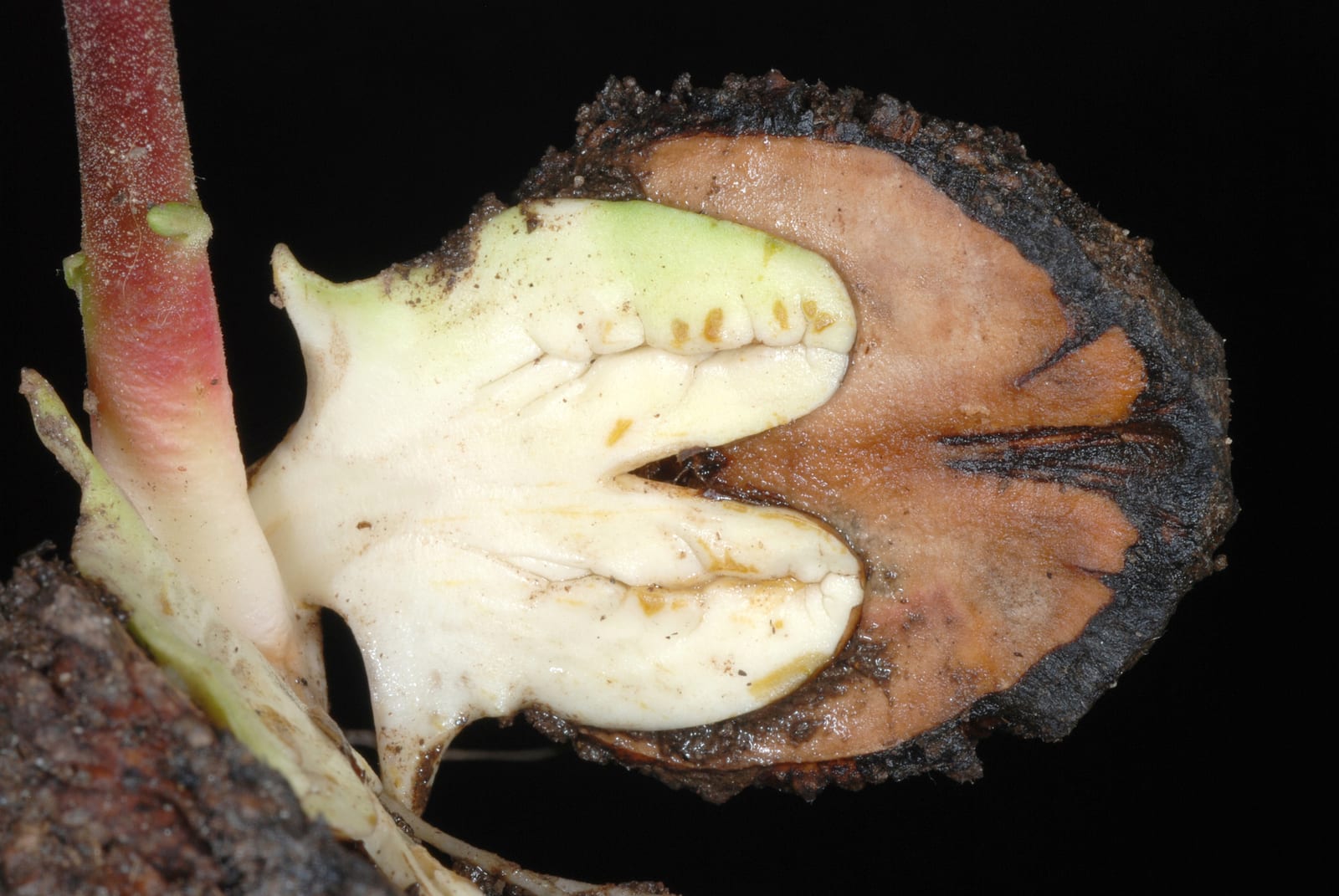
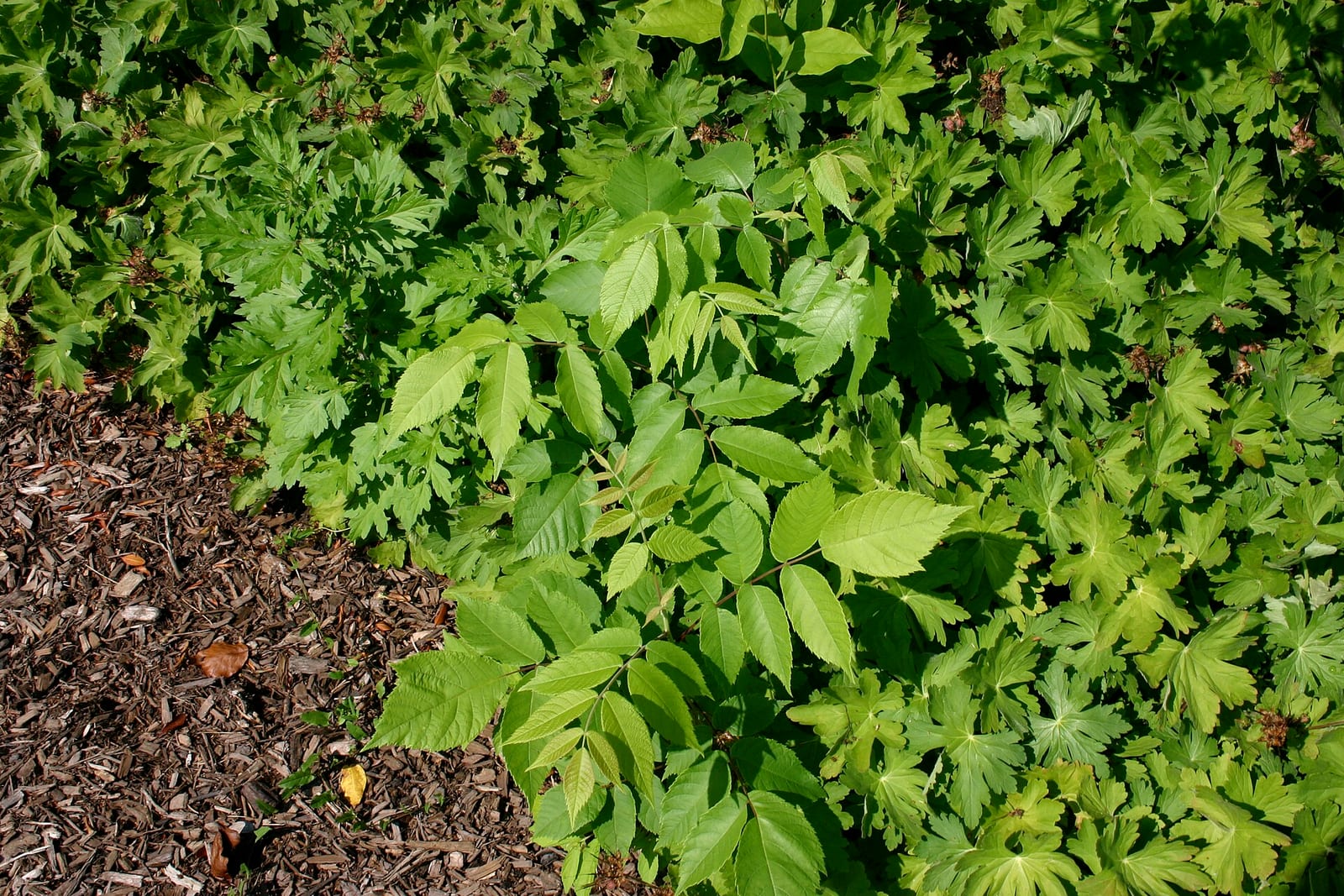
Confirm EVERY point before you move it
0 of 4 confirmed. If any point does not match, it is not this plant.
Look-alikes to rule out
- Tree of heavenInvasive
Only a few glandular teeth near each leaflet base, solid pith and a rancid peanut-butter smell. Invasive.
See the card →
Warnings
- Juglone stunts tomatoes, potatoes, apples, blueberries and many other plants. Keep well away from gardens; roots reach beyond the canopy.
Best time to move
January, February, March, November, December
Dormant season; seedlings appear under mature walnuts.
Habitat
Rich bottomlands, field edges and fence lines.
Parts used
first-year seedling
Transplanting
Best window
Dormant season, first year only
Transplant shock risk
high
Root type
deep taproot
Site
Full sun, deep well-drained soil, far from garden beds
Method
Dig at least 12 in deep to keep the taproot; replant immediately.
Notes
Direct-planting nuts in place often outperforms transplanting.
Educational reference only. Never eat a wild plant or mushroom based on a website or app. Confirm with an experienced forager, your local extension office, or a mycological club. Poison Control (US): 1-800-222-1222. Call 911 for severe symptoms.