Dandelion
Taraxacum officinale
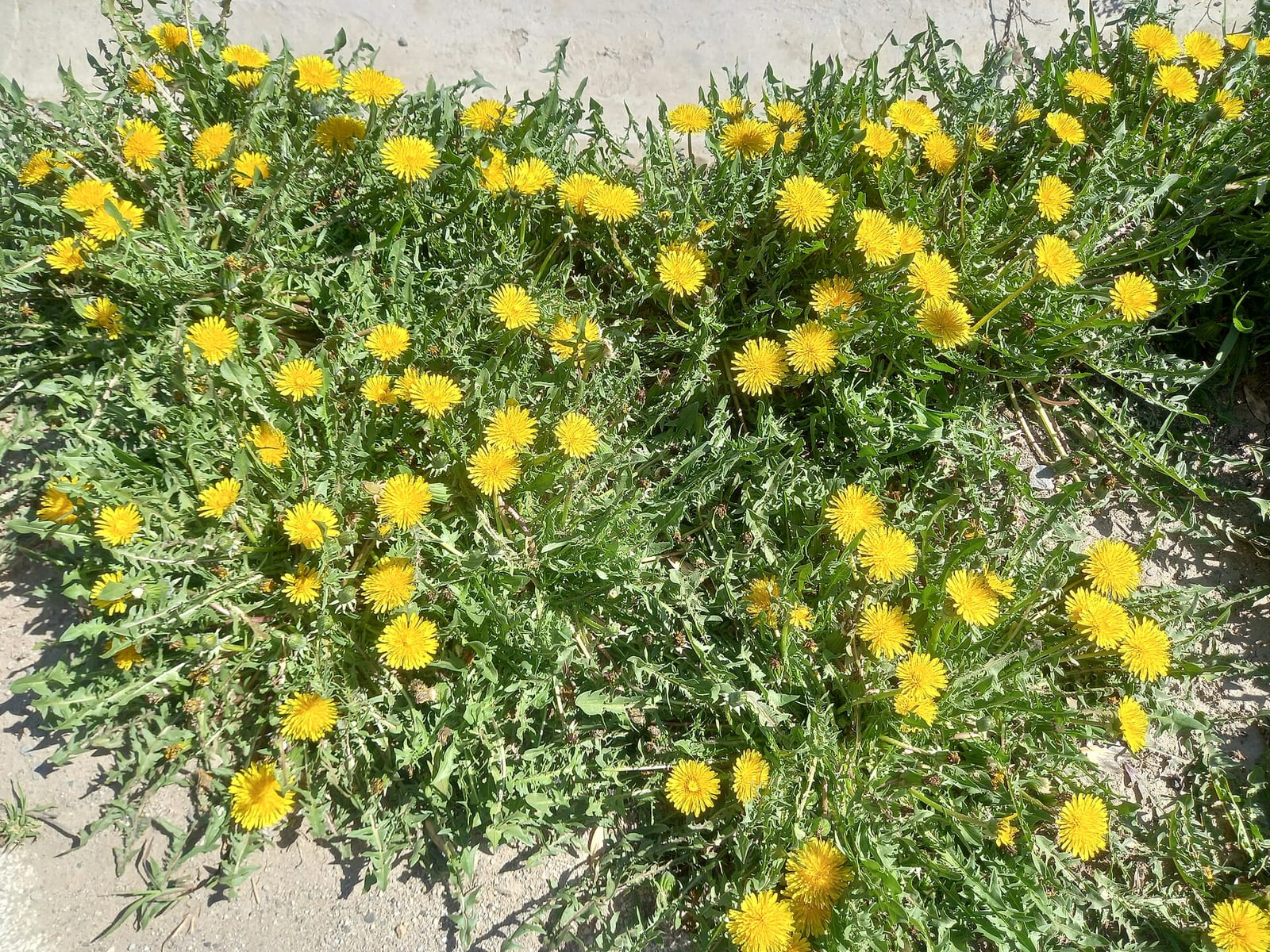
Common lawn and field weed with a hollow, leafless flower stalk and a toothed leaf rosette.
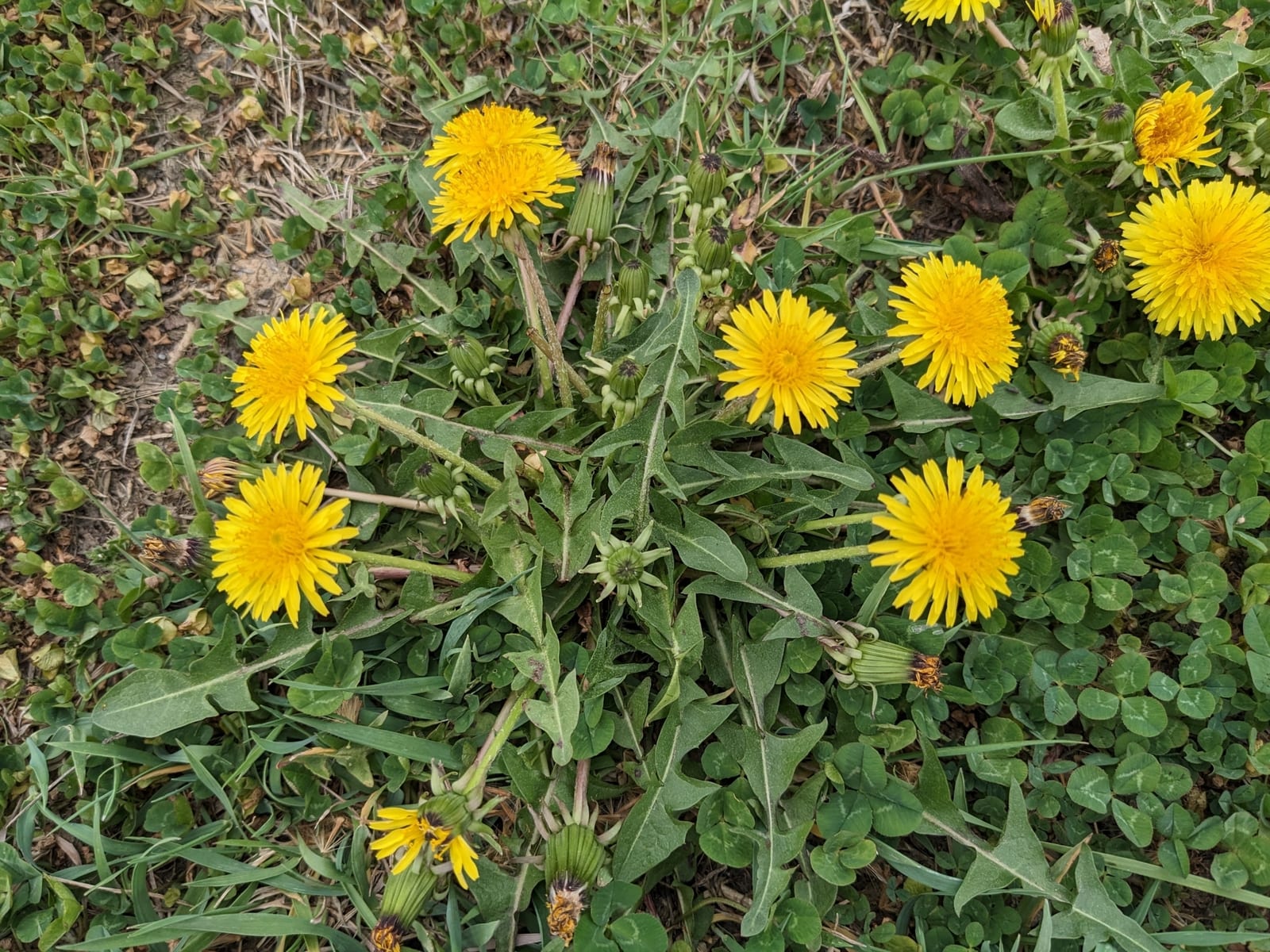
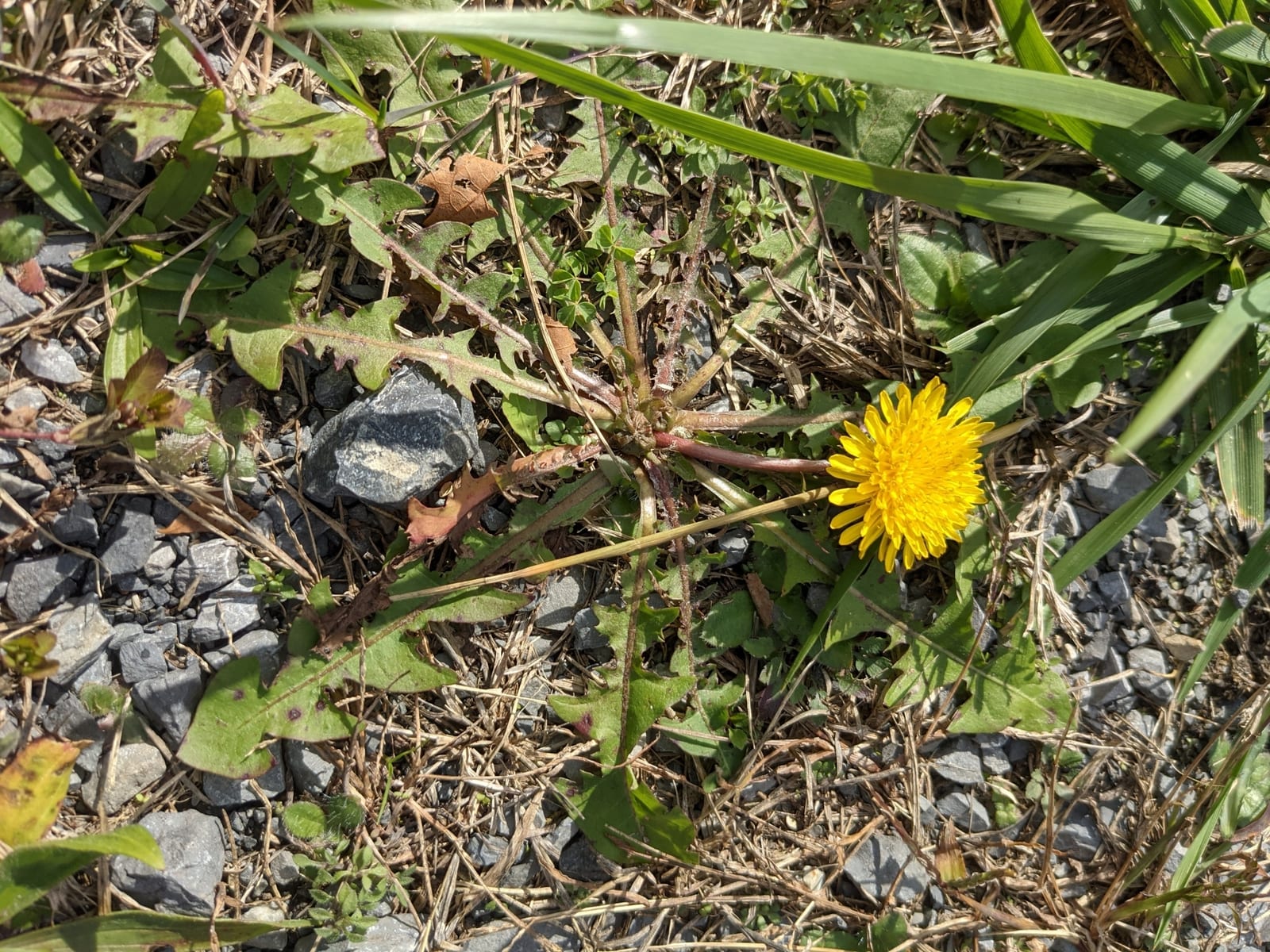
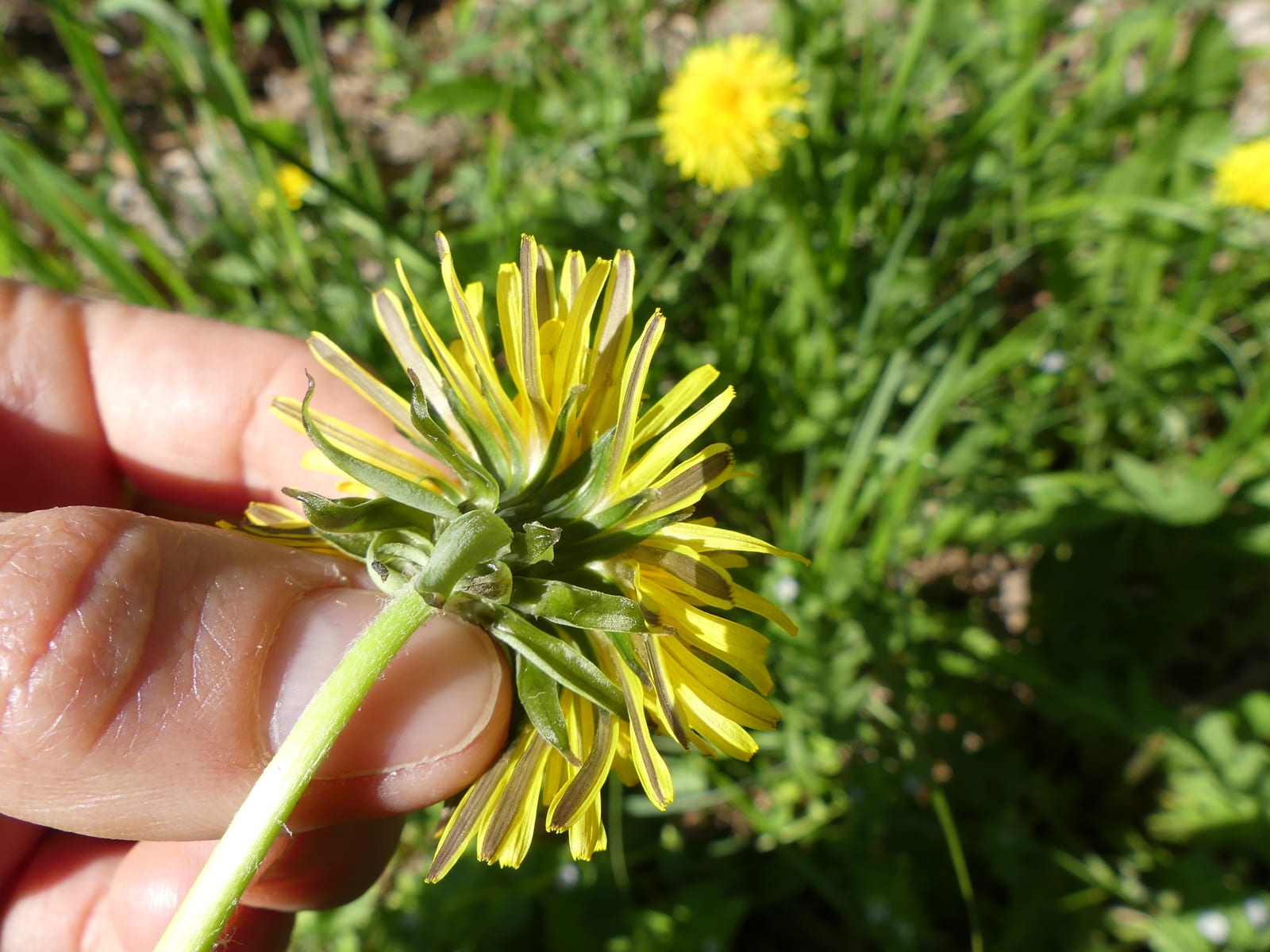
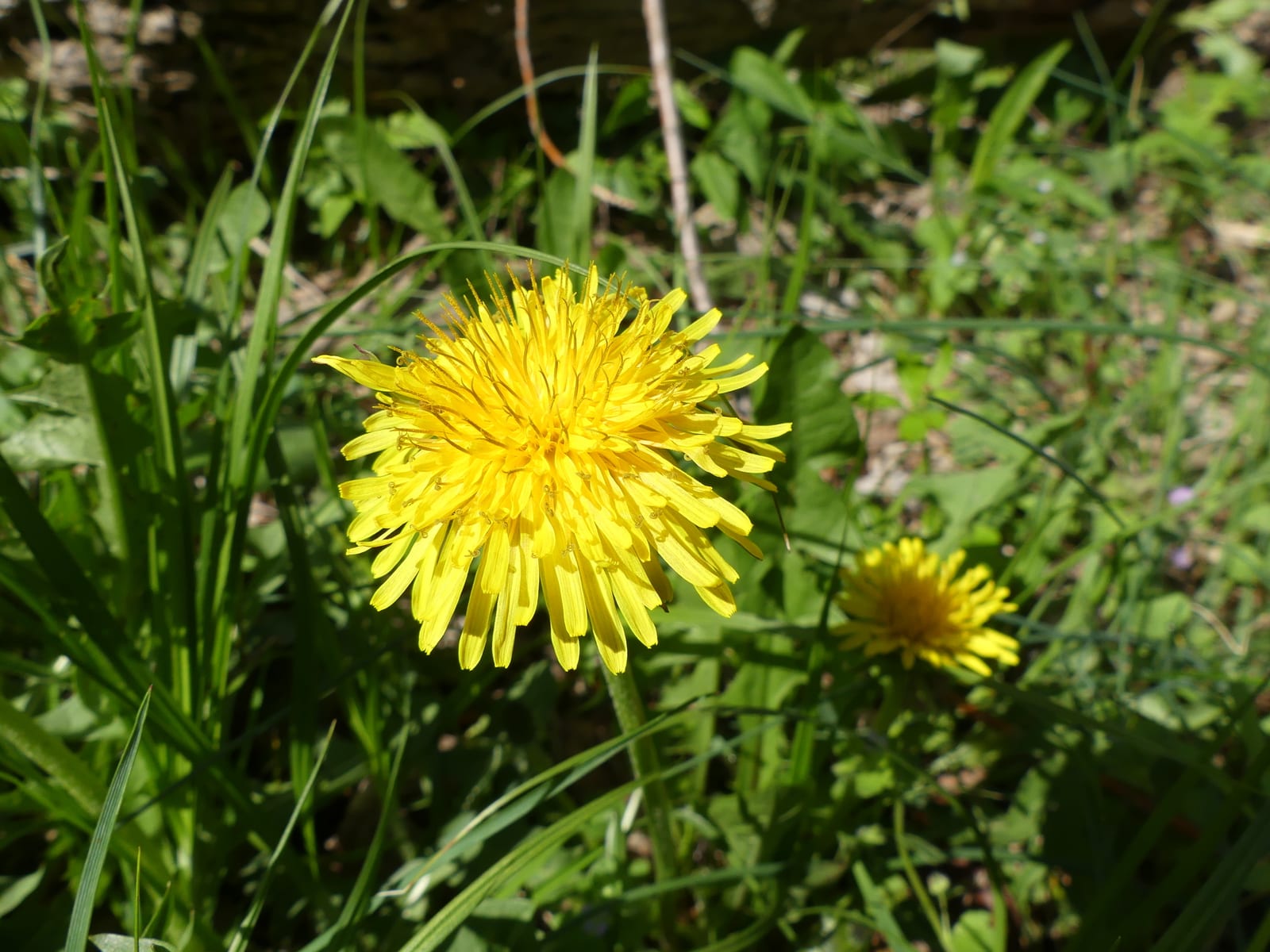
Confirm EVERY point before you eat it
0 of 4 confirmed. If any point does not match, it is not this plant.
Look-alikes to rule out
- Cat's earHarmless
Flower stalk is forked or branched with tiny scale-like bracts and leaves are hairy. Also edible.
- Sow thistleHarmless
Taller leafy stalks with clasping stem leaves and prickly-edged leaves. Edible when young.
Warnings
- Avoid if you are allergic to ragweed, chrysanthemums, marigolds, daisies or other members of the daisy (Asteraceae) family.
- May interact with diuretics, blood thinners and lithium. Not recommended during pregnancy or breastfeeding because there is no good safety data.
In season
March, April, May, September, October, November
Leaves are best before flowering; roots are best in fall.
Habitat
Parts used
Preparation and use
Harvest note
Educational reference only. Never eat a wild plant or mushroom based on a website or app. Confirm with an experienced forager, your local extension office, or a mycological club. Poison Control (US): 1-800-222-1222. Call 911 for severe symptoms.