Wild Forage
Wild Forage

False hellebore

Veratrum viride

Also called: Indian poke, corn lily

Deadly. Emerges in early spring in the same seeps and coves as ramps, and has been mistaken for them.
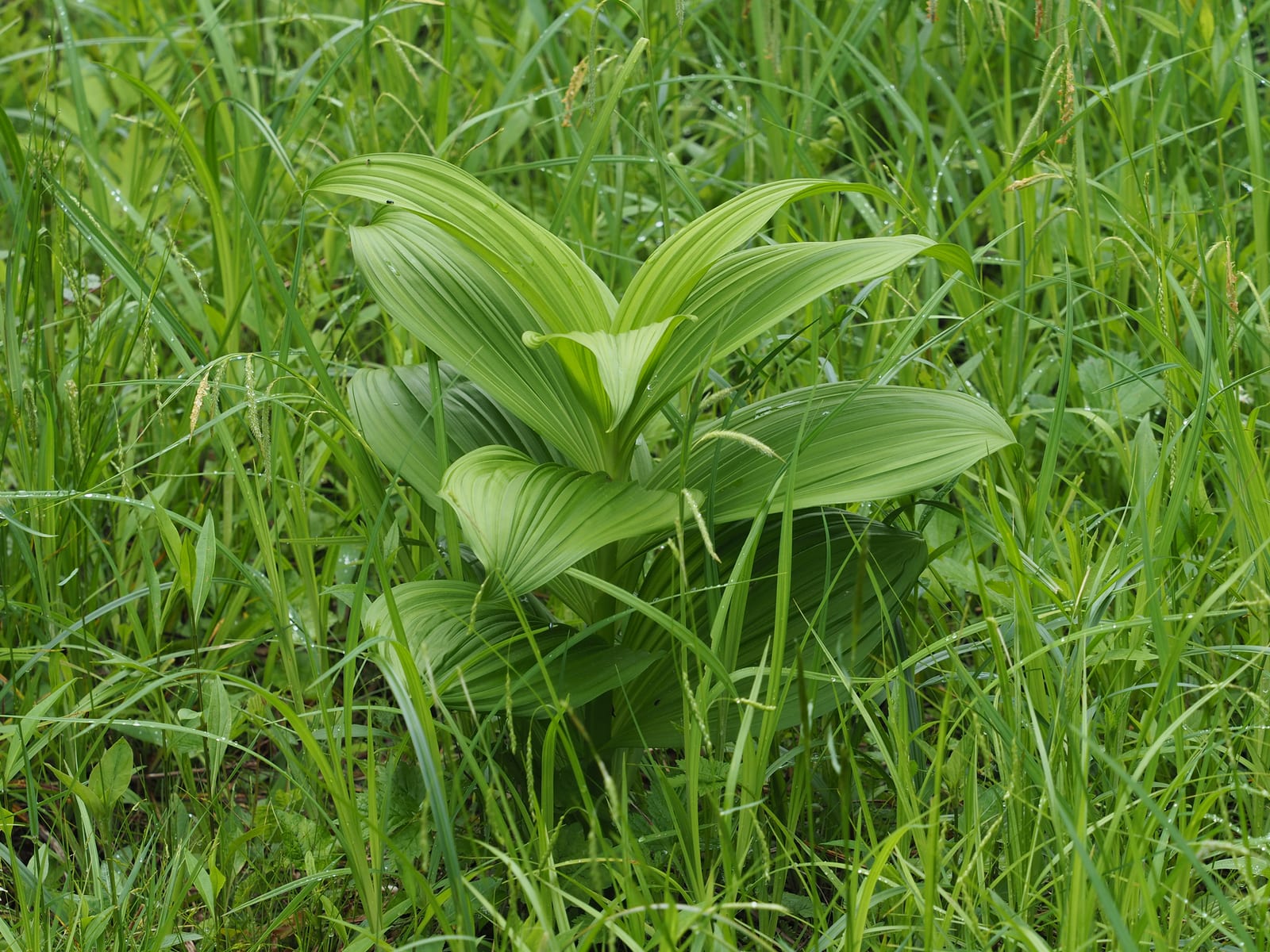
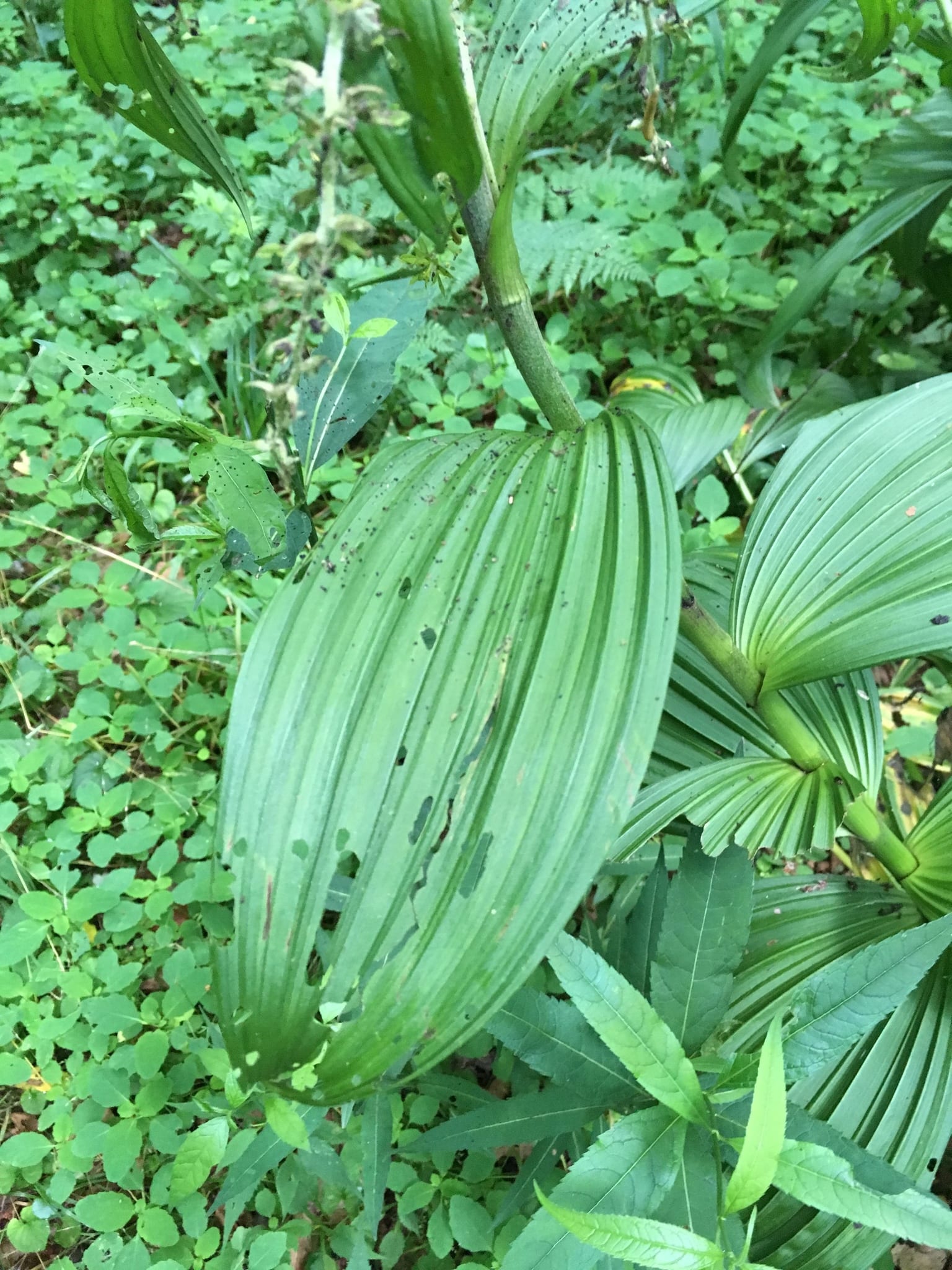
False hellebore: Whole plant
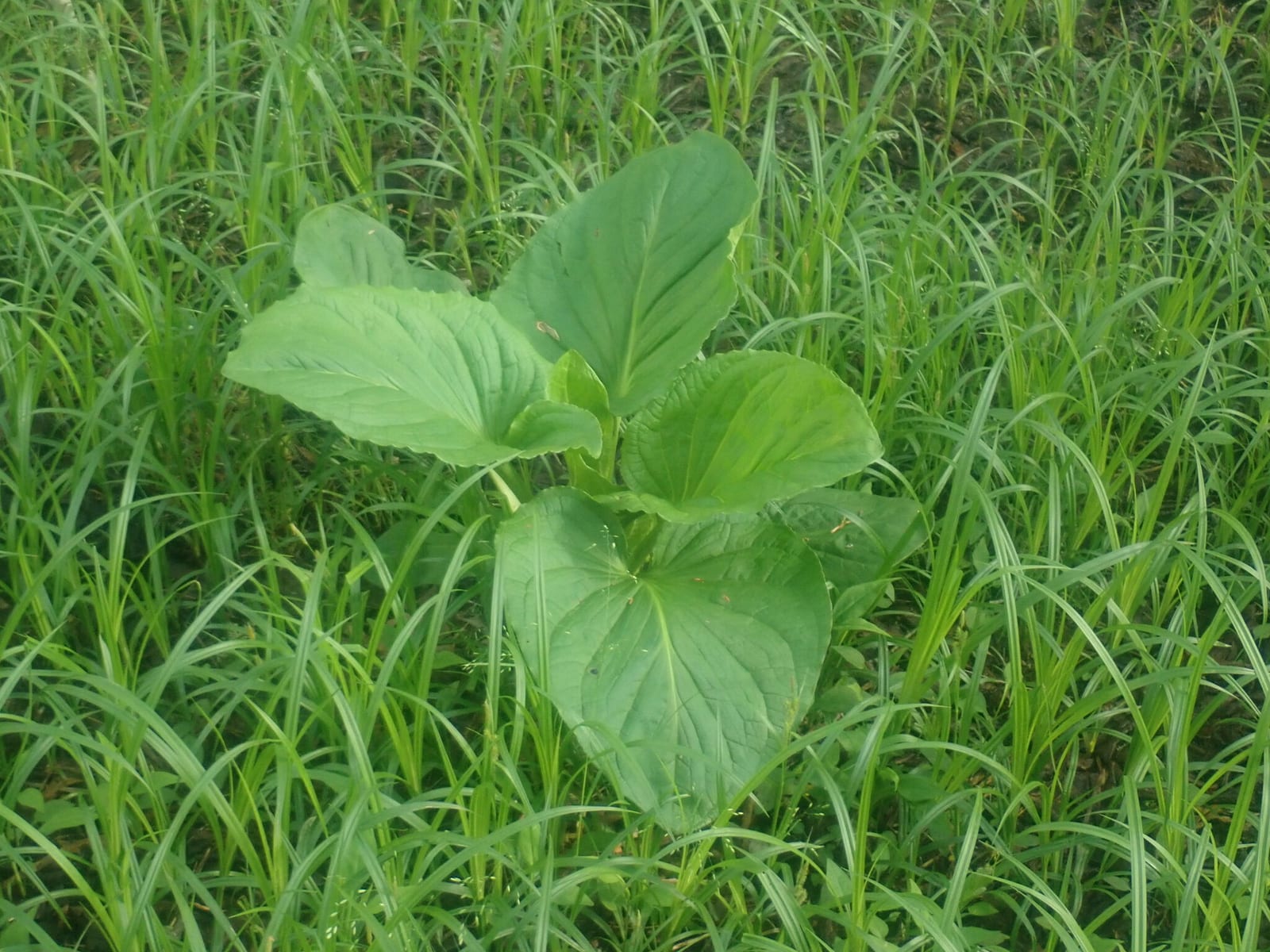
Whole plantPhoto: Lynn Harper · CC0 · source
False hellebore: Whole plant
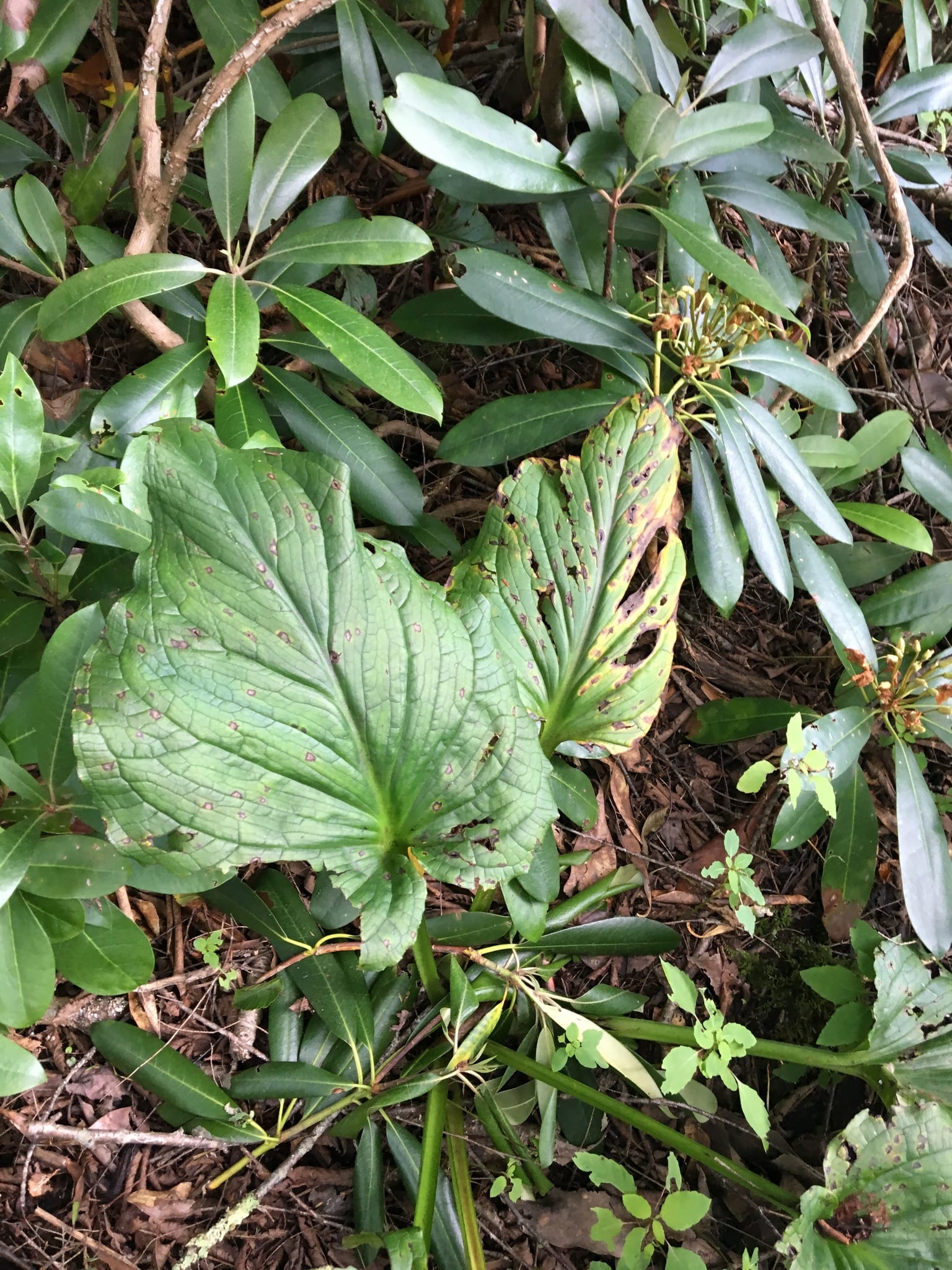
Whole plantPhoto: mefisher · CC0 · source
False hellebore: Whole plant
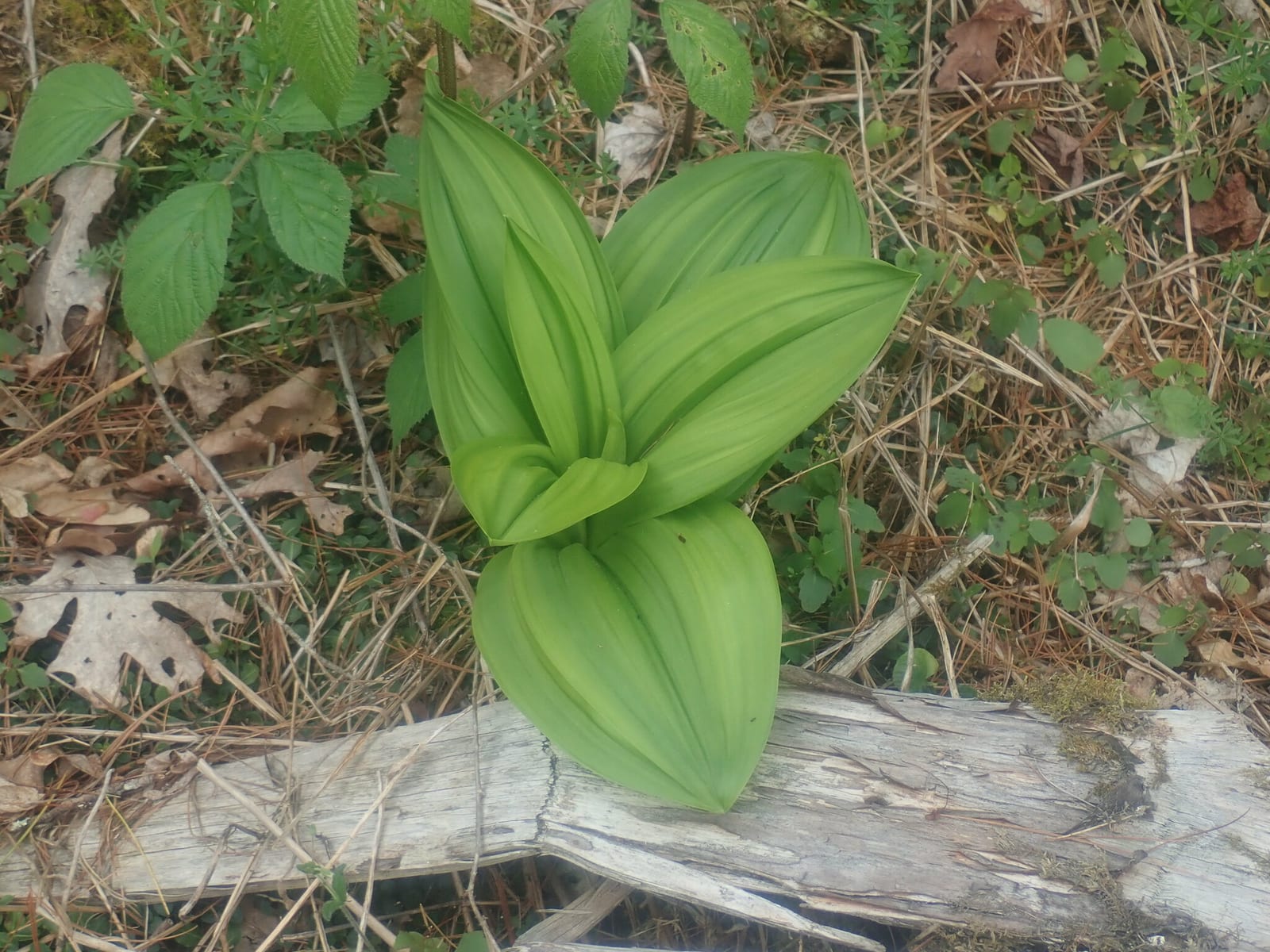
Whole plantPhoto: Jon Mitchell · CC0 · source
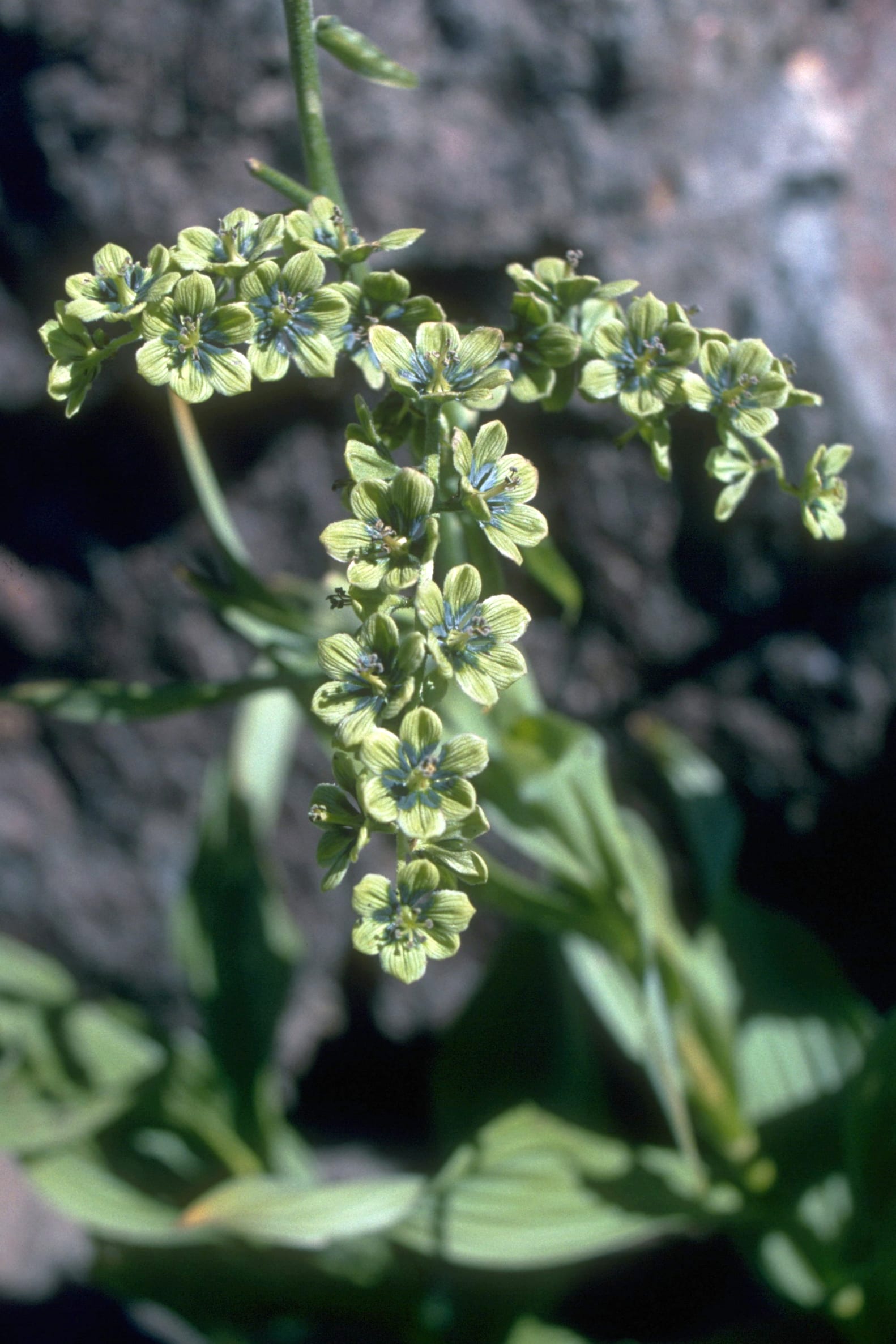
False hellebore: Flower
FlowerPhoto: Dave Powell, USDA Forest Service (retired), Bugwood.org · Public domain · source
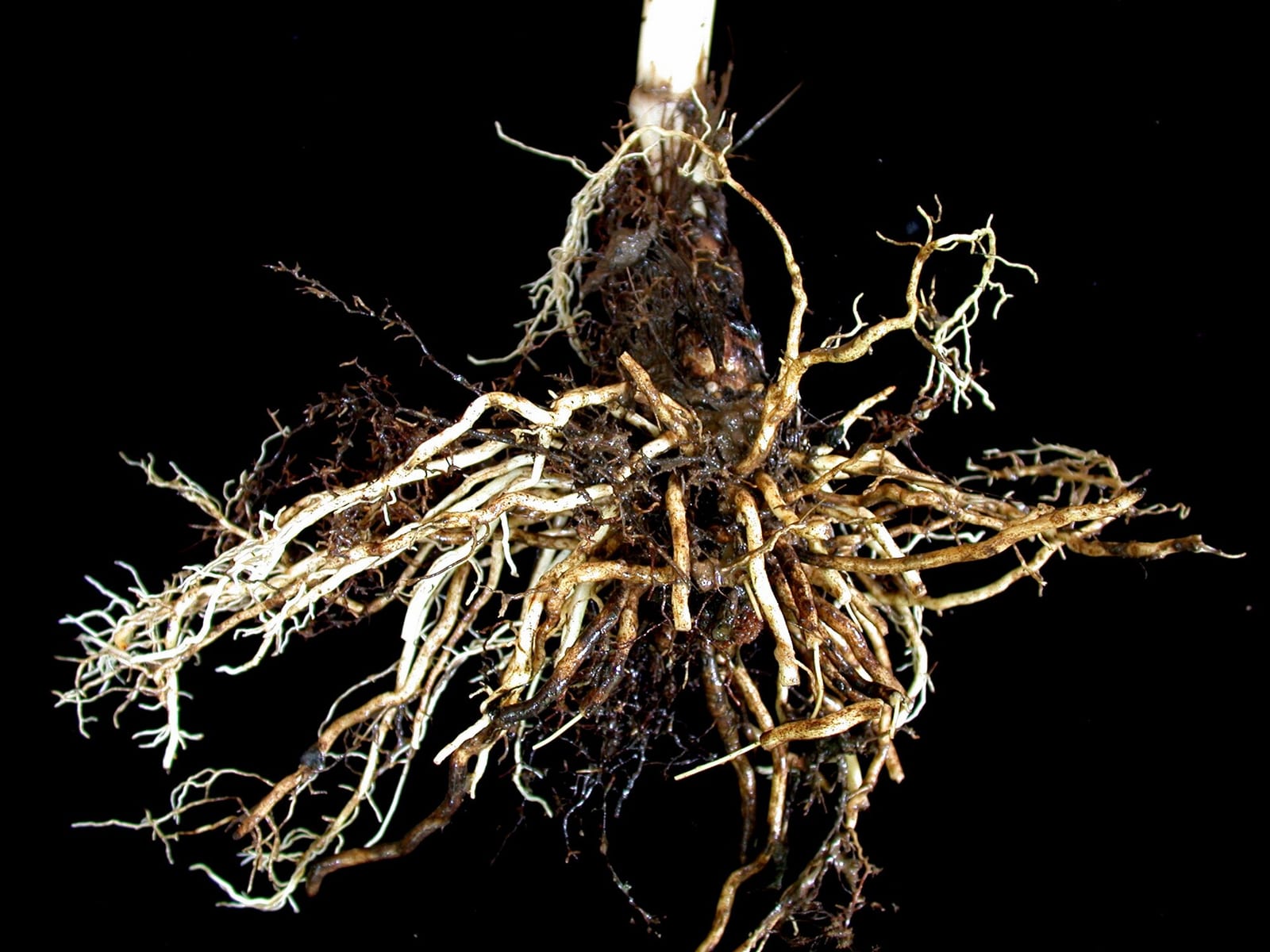
False hellebore: Root or base
Root or basePhoto: Ayotte, Gilles, 1948- · CC BY-SA 4.0 · source
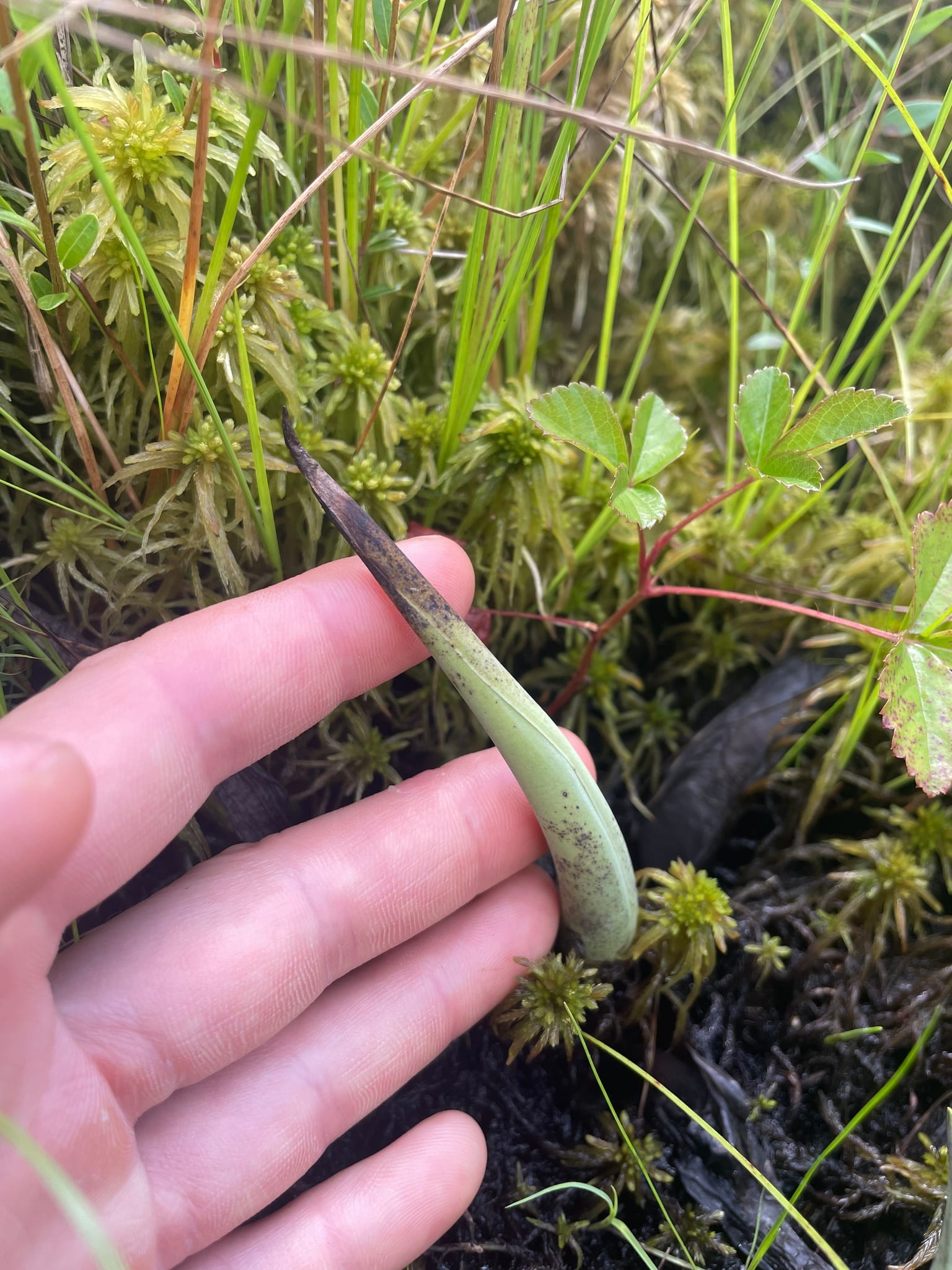
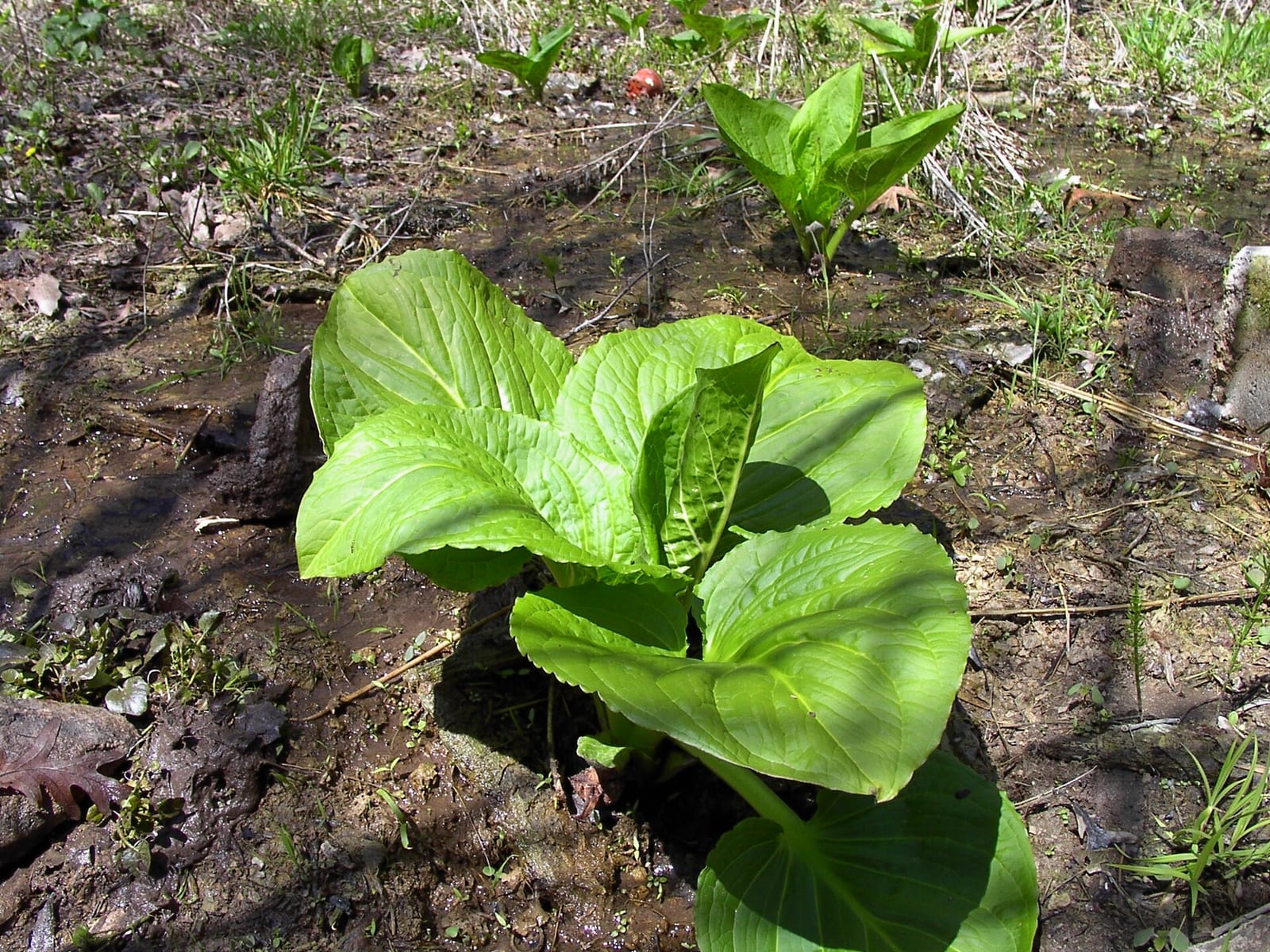
False hellebore: Look-alike side by side. Skunk cabbage (Symplocarpus foetidus), a toxic look-alike
Look-alike side by sideSkunk cabbage (Symplocarpus foetidus), a toxic look-alikePhoto: Leah Rubin · CC0 · source
False hellebore: Look-alike side by side. Skunk cabbage (Symplocarpus foetidus), a toxic look-alike
Look-alike side by sideSkunk cabbage (Symplocarpus foetidus), a toxic look-alikePhoto: Lynn Harper · CC0 · source
False hellebore: Look-alike side by side. Skunk cabbage (Symplocarpus foetidus), a toxic look-alike
Look-alike side by sideSkunk cabbage (Symplocarpus foetidus), a toxic look-alikePhoto: Jennifer Schultz · CC0 · source
False hellebore: Look-alike side by side. Skunk cabbage (Symplocarpus foetidus), a toxic look-alike
Look-alike side by sideSkunk cabbage (Symplocarpus foetidus), a toxic look-alikePhoto: User:Atrian · Public domain · source

Key features

  • Large oval leaves, strongly pleated like a folded fan, with parallel ribs
  • Leaves alternate up a stout central stalk (2-6 ft when mature) and clasp it
  • No onion or garlic smell
  • Greenish-yellow flowers in a large branched cluster in summer

What it gets mistaken for

  • Skunk cabbageToxic

    Thick, broad, unpleated leaves and a foul skunky smell in swampy ground; irritating and not food.

  • RampsHarmless

    Smooth, flat, unpleated leaves, 2-3 per plant, strong onion smell.

    See the card →

Warnings

  • If eaten, call Poison Control at 1-800-222-1222 or 911 immediately.

In season

April, May, June, July

Emerges early spring; flowers in summer.

Habitat

Wet woods, seeps, mountain meadows and streamsides.

Educational reference only. Never eat a wild plant or mushroom based on a website or app. Confirm with an experienced forager, your local extension office, or a mycological club. Poison Control (US): 1-800-222-1222. Call 911 for severe symptoms.