Ramps
Allium tricoccum
Also called: wild leek
Spring woodland onion with 2-3 smooth, broad leaves. Shares habitat with deadly look-alikes, so every plant gets the full checklist.
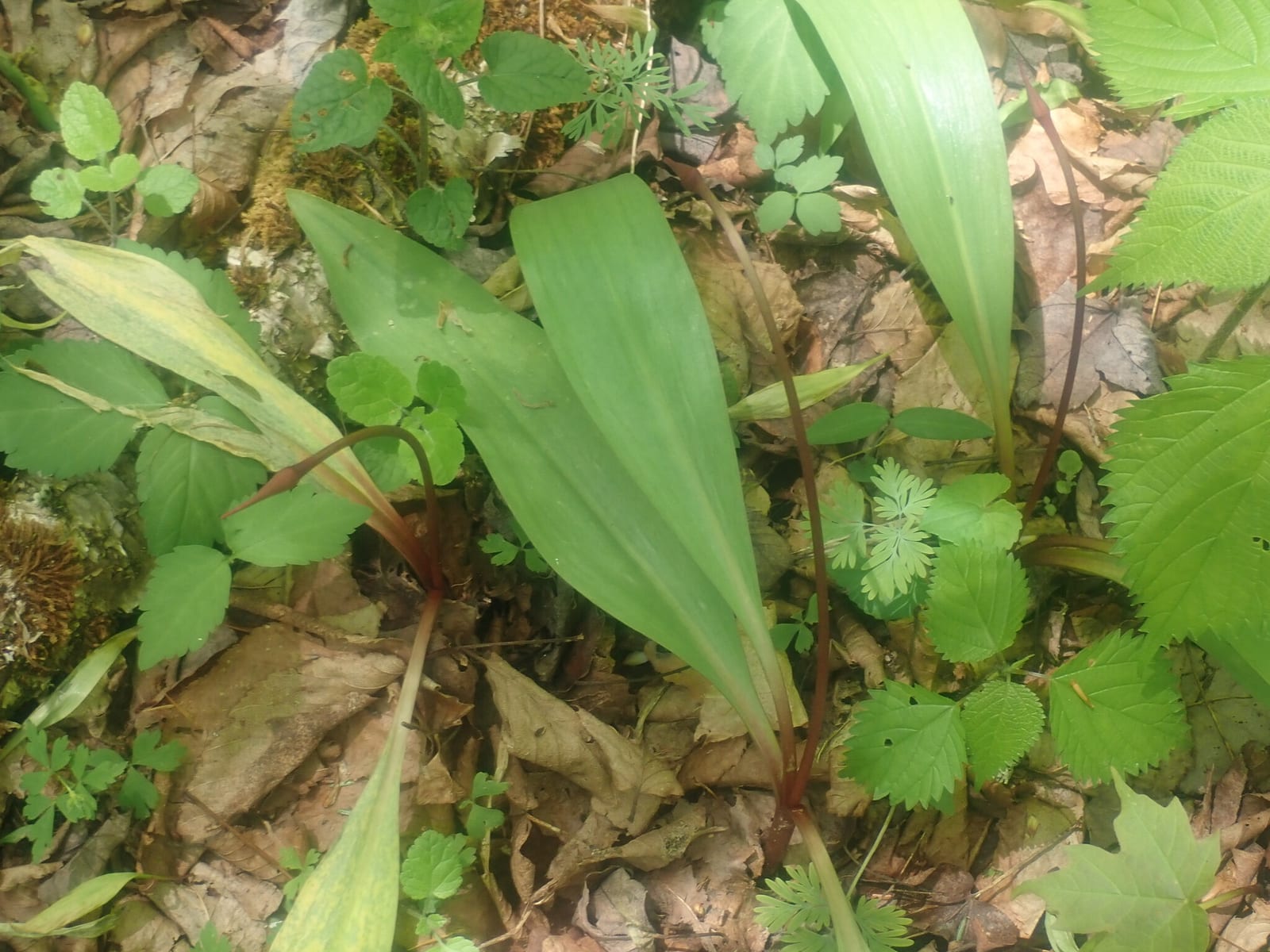
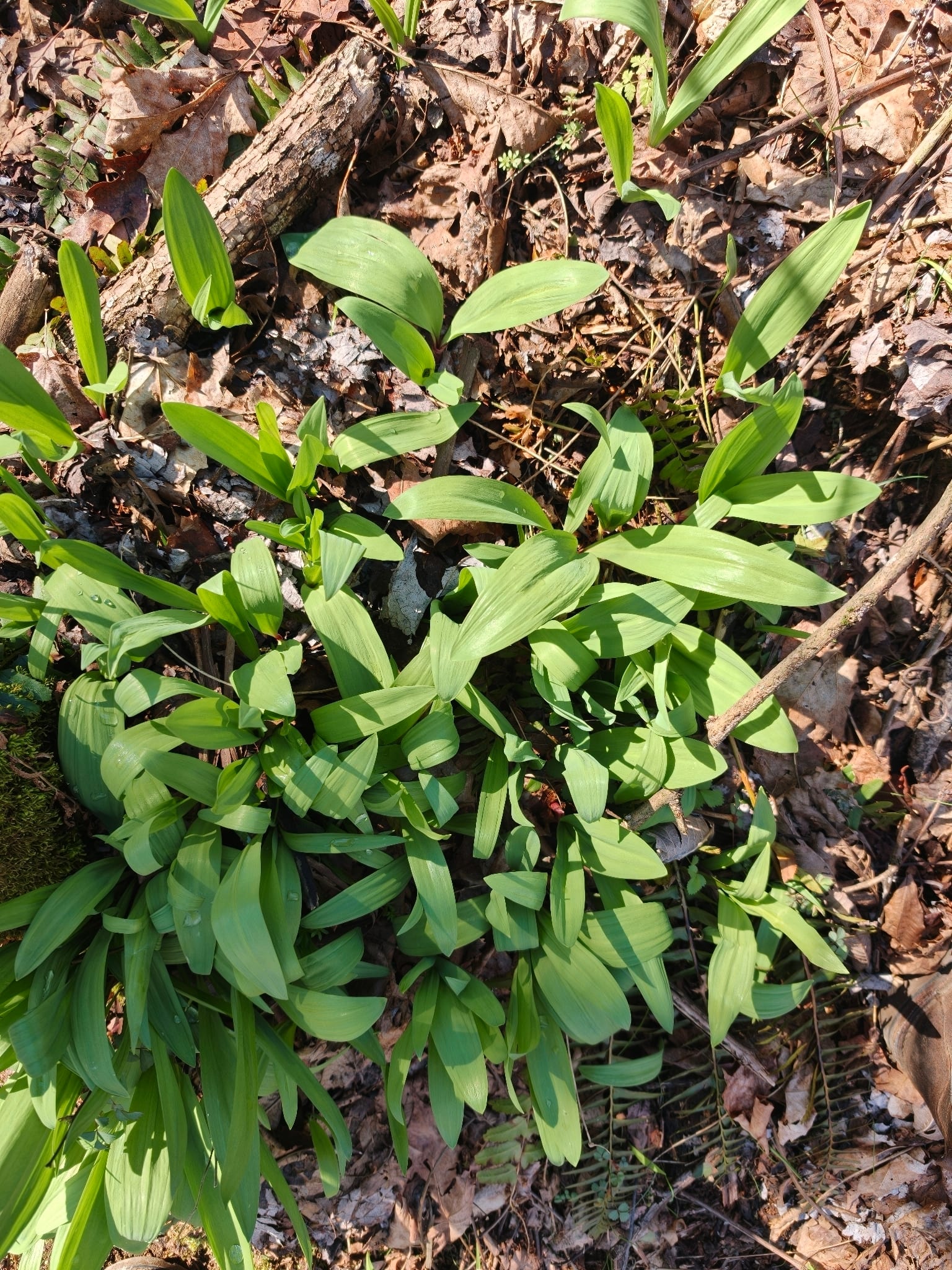
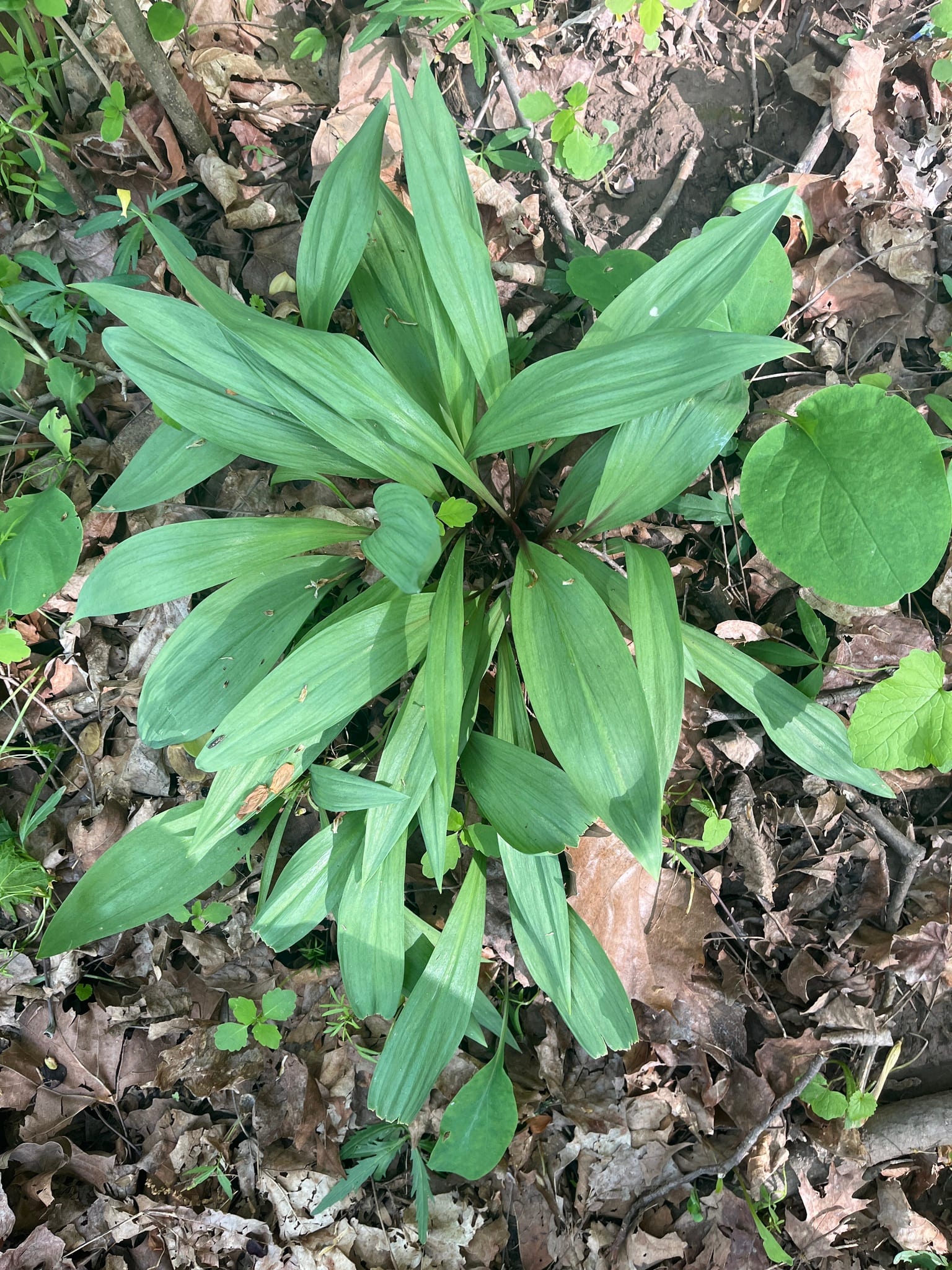
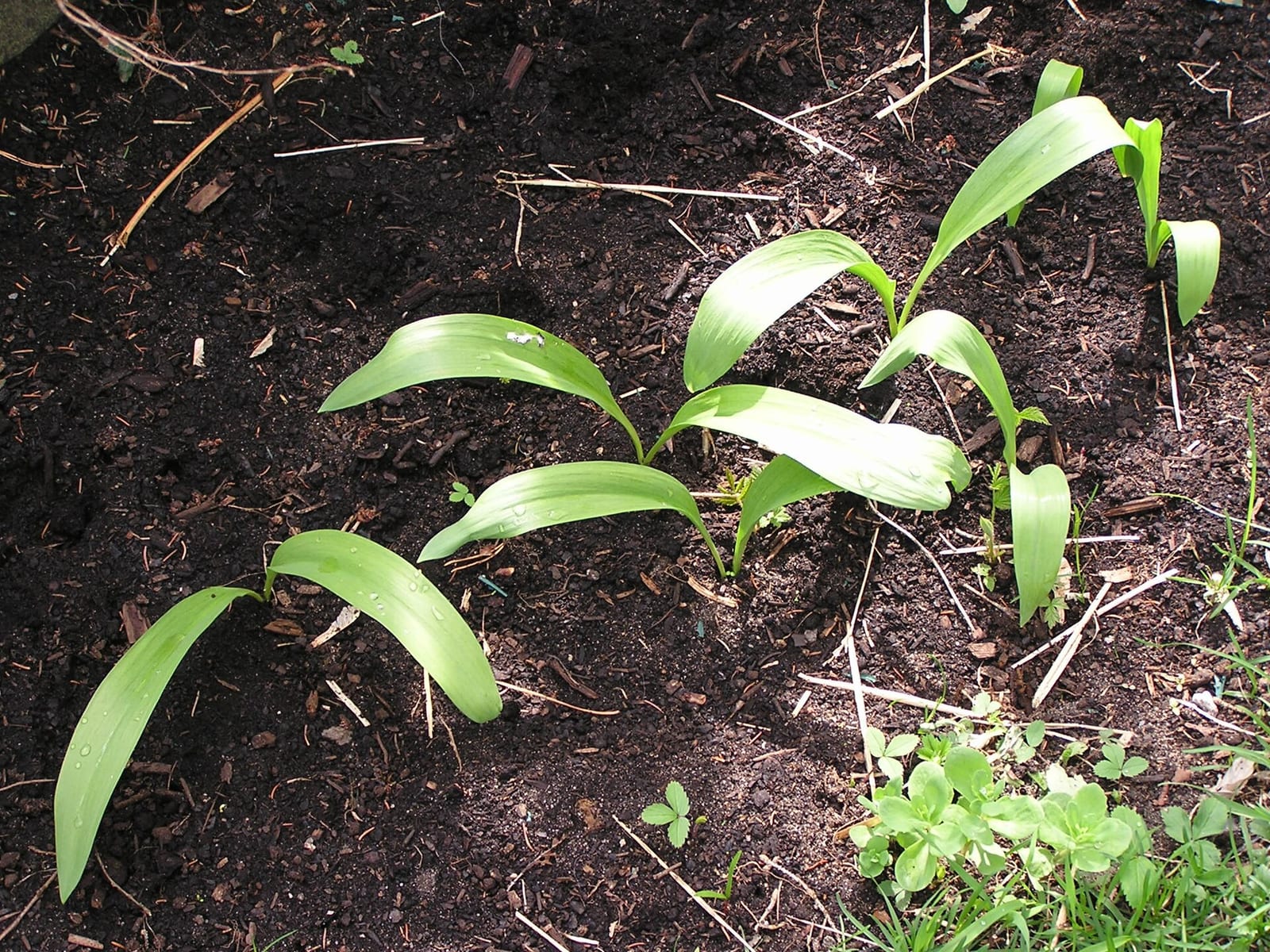
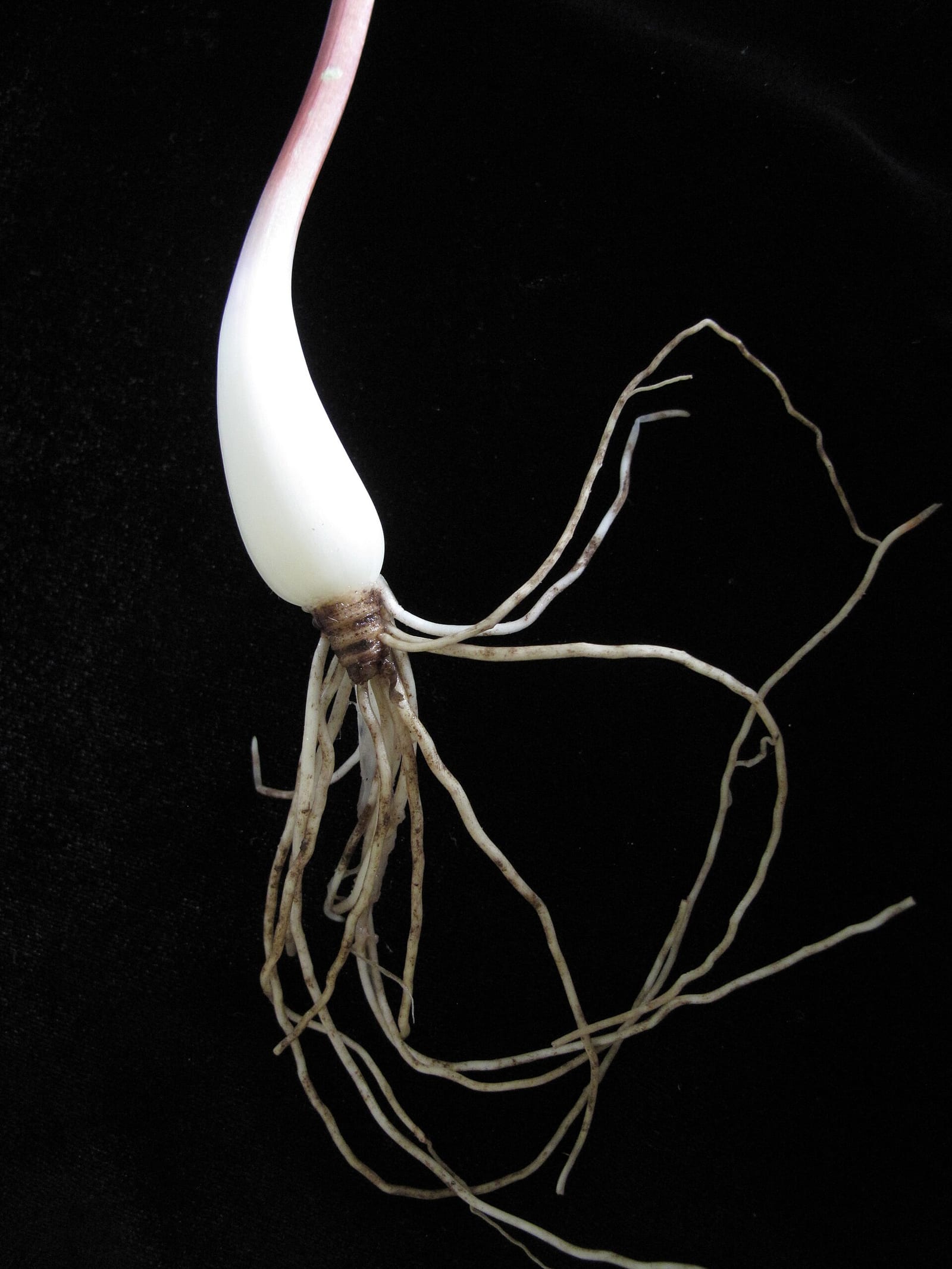
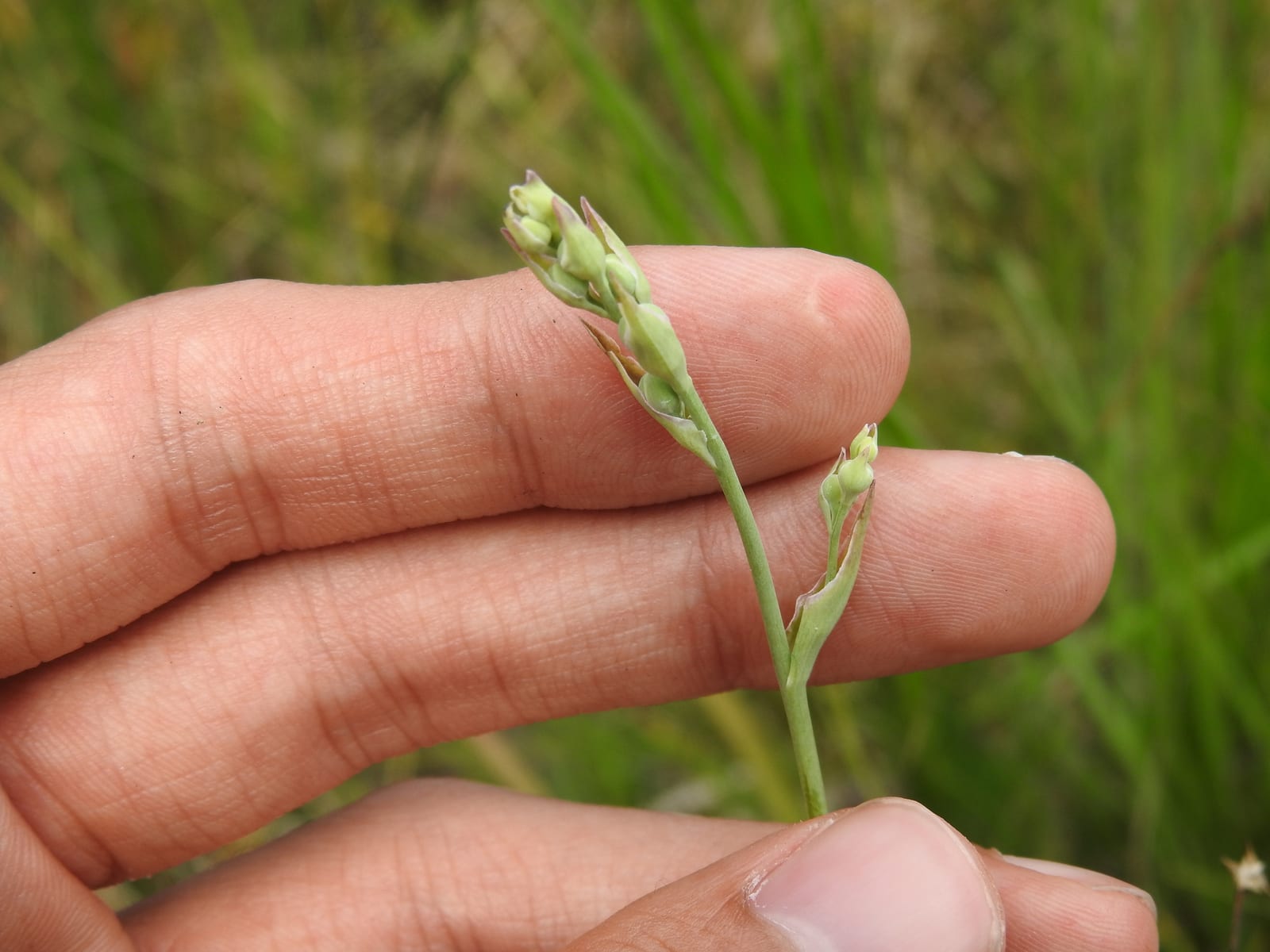
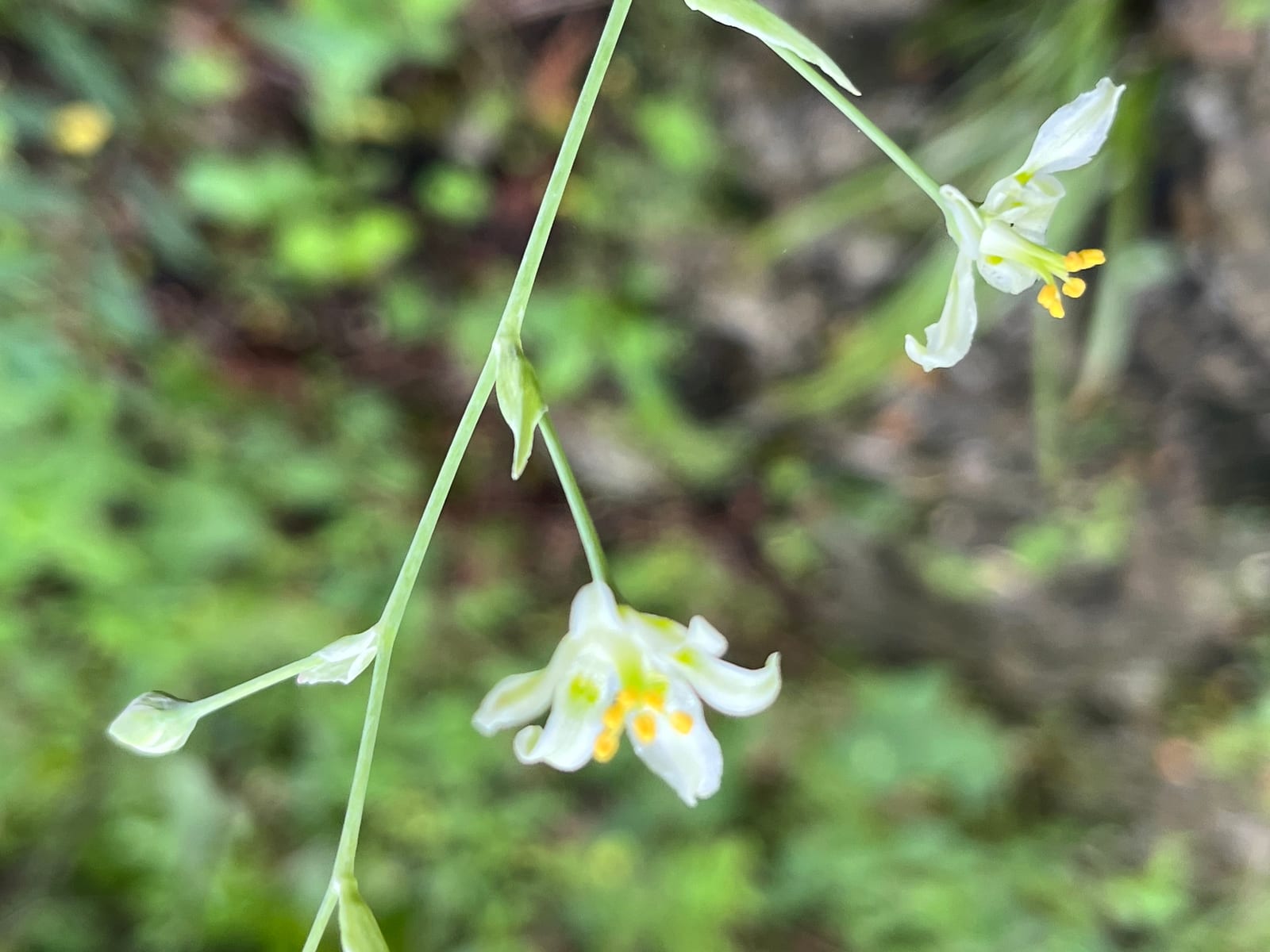
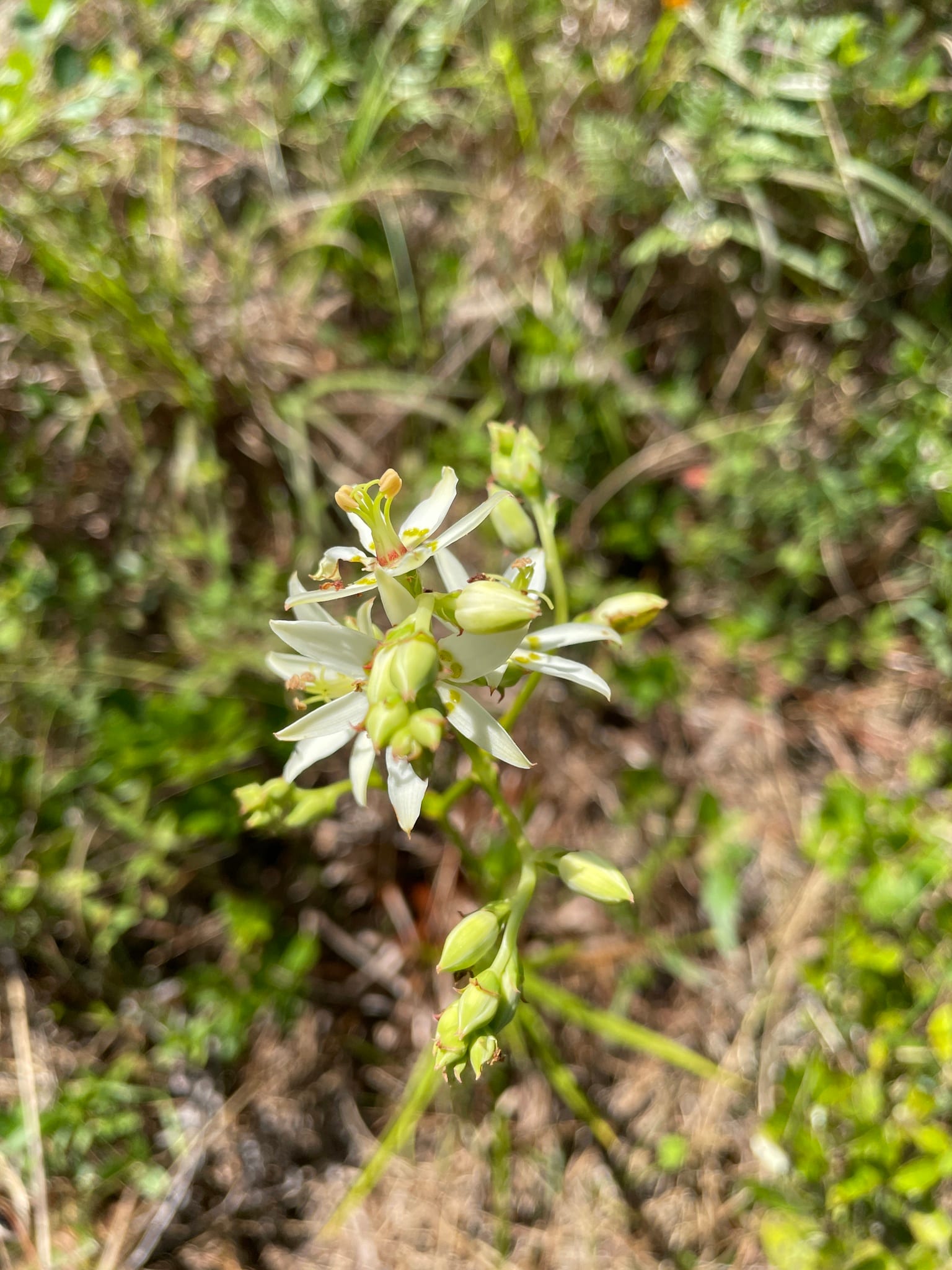
Confirm EVERY point before you eat it
0 of 3 confirmed. If any point does not match, it is not this plant.
Look-alikes to rule out
- False helleboreDeadly
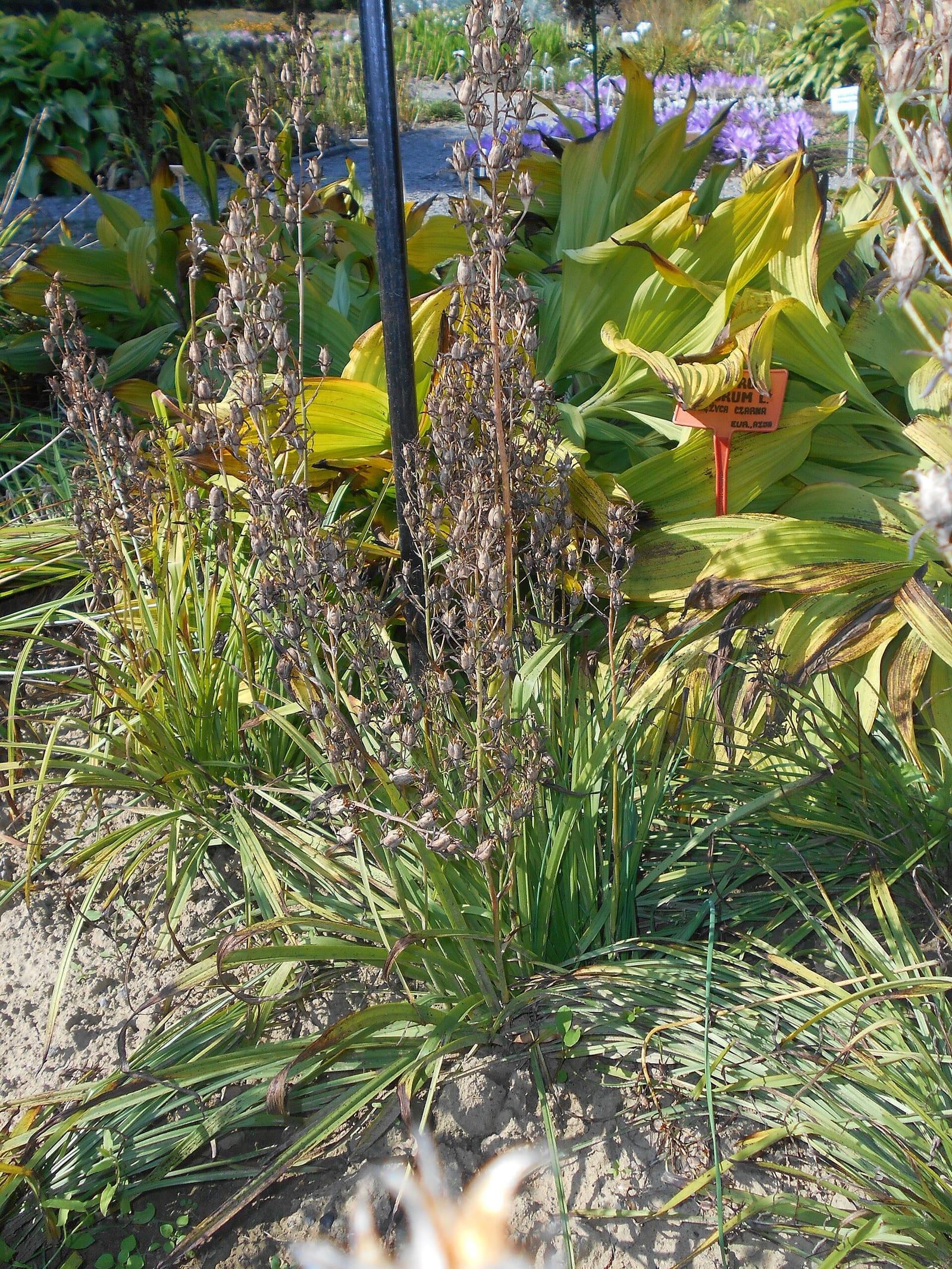
Pleated, strongly ribbed leaves clasping a central stalk, no onion smell. Fatal poisonings from mistaking it for ramps are documented.
See the card → - Death camasDeadly
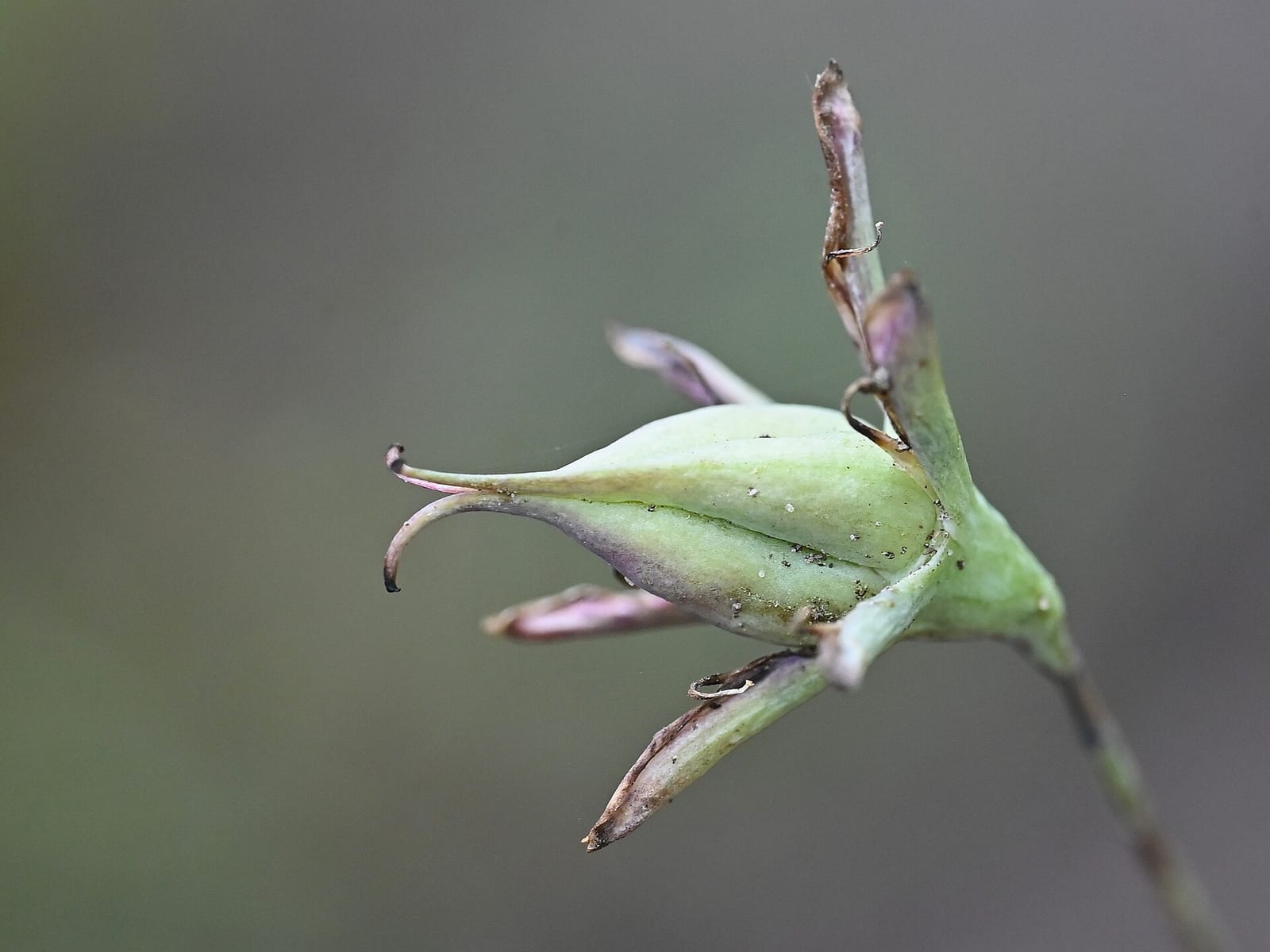
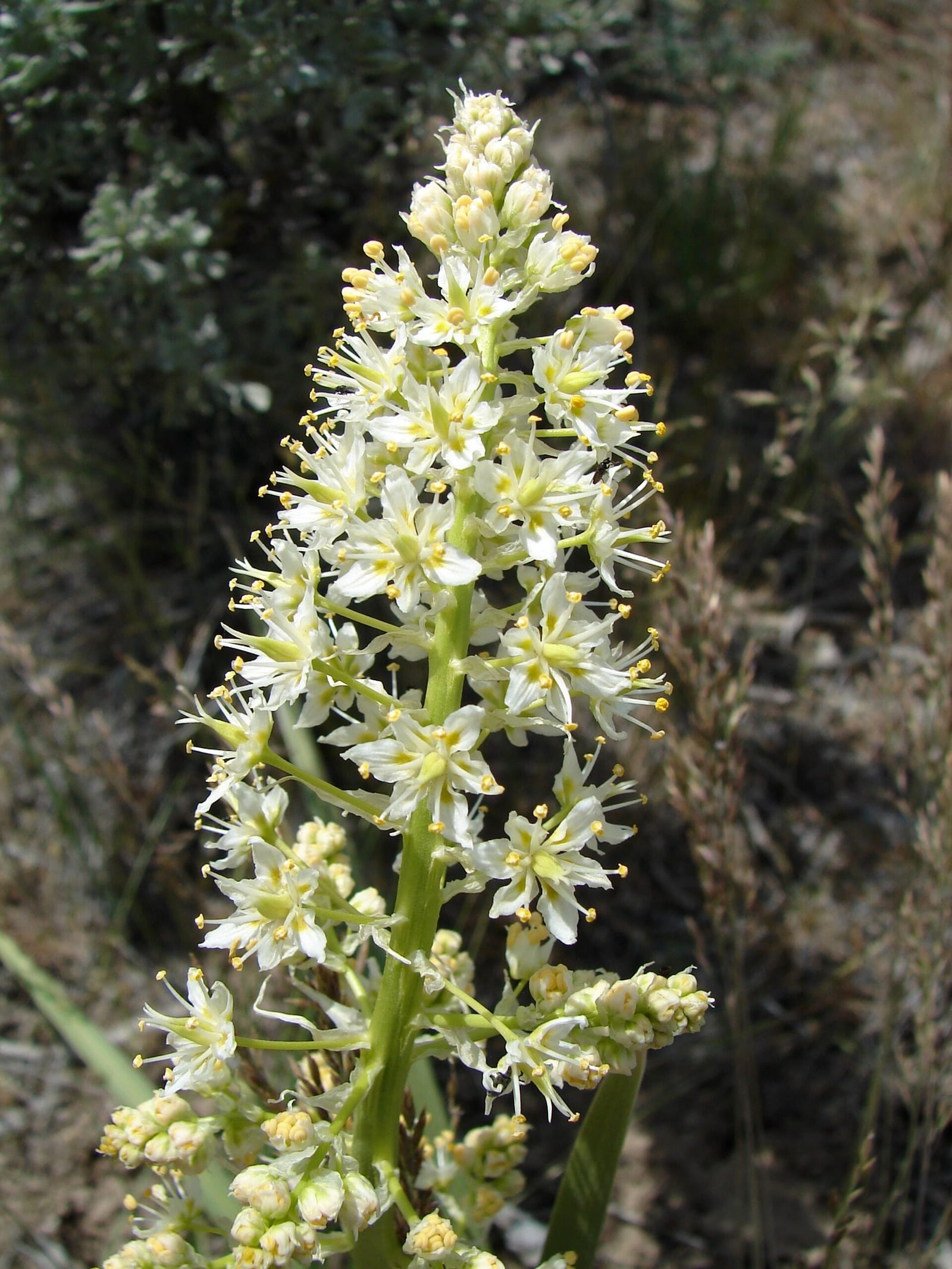
Frequently mistaken for wild onion: onion-like bulb, grass-like leaves and small white flowers. Causes vomiting and convulsions and can be fatal.
- Lily of the valleyToxic
Usually two smooth leaves wrapped around each other, no onion smell; common near old homesites and gardens, and also wild in some mountain forests, so habitat alone does not rule it out.
See the card →
Warnings
- Never rely on smell alone.
Harvest responsibly
Very slow to regrow. Cut leaves at the base (one leaf per plant is gentler still) and leave the bulb and root in the ground. Digging whole plants from a wild patch is the main cause of ramp decline. A mature patch yields roughly 1-2 lbs of leaves per season if harvested selectively. Harvest rules on public land vary, so check before you pick.
In season
March, April, May
Above ground only about March-May: leaves emerge in early spring and die back by late spring; a leafless flower stalk appears in summer.
Habitat
Parts used
Preparation and use
Educational reference only. Never eat a wild plant or mushroom based on a website or app. Confirm with an experienced forager, your local extension office, or a mycological club. Poison Control (US): 1-800-222-1222. Call 911 for severe symptoms.