Wild ForageCaution
Pawpaw
Asimina triloba
Also called: Appalachian banana
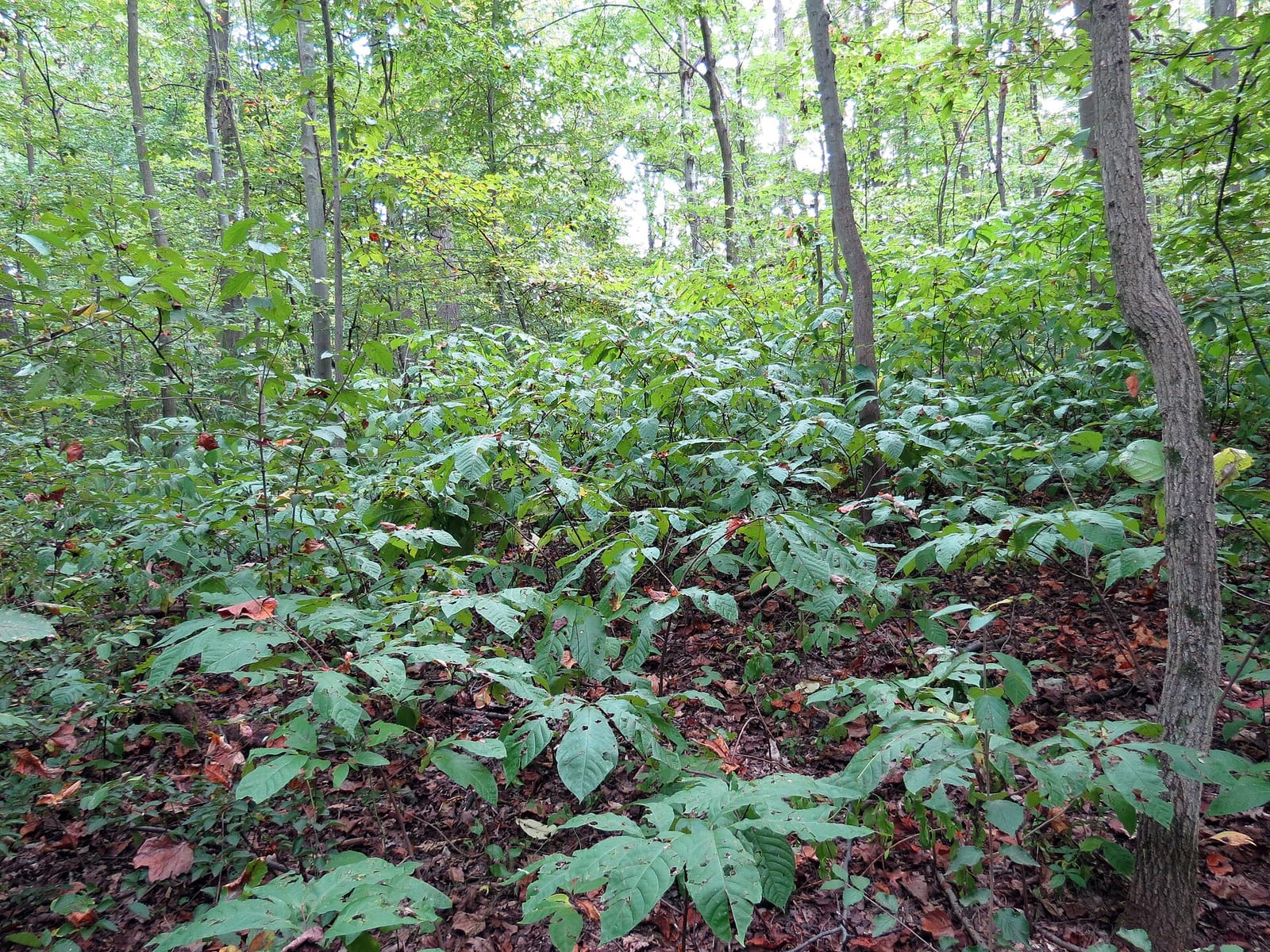
Understory tree with big tropical-looking leaves and custardy fruit in fall. Seeds and skin are not eaten.
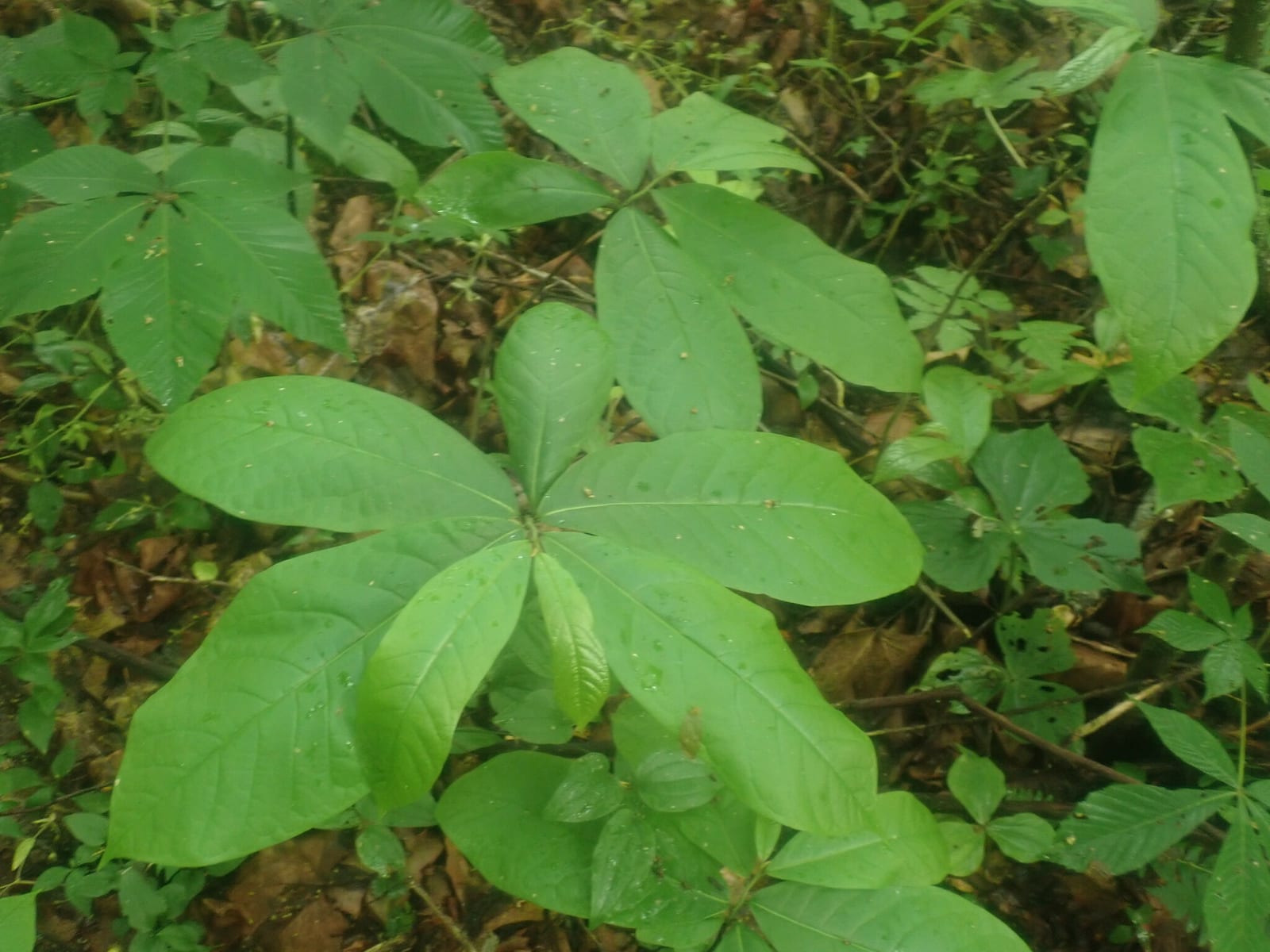
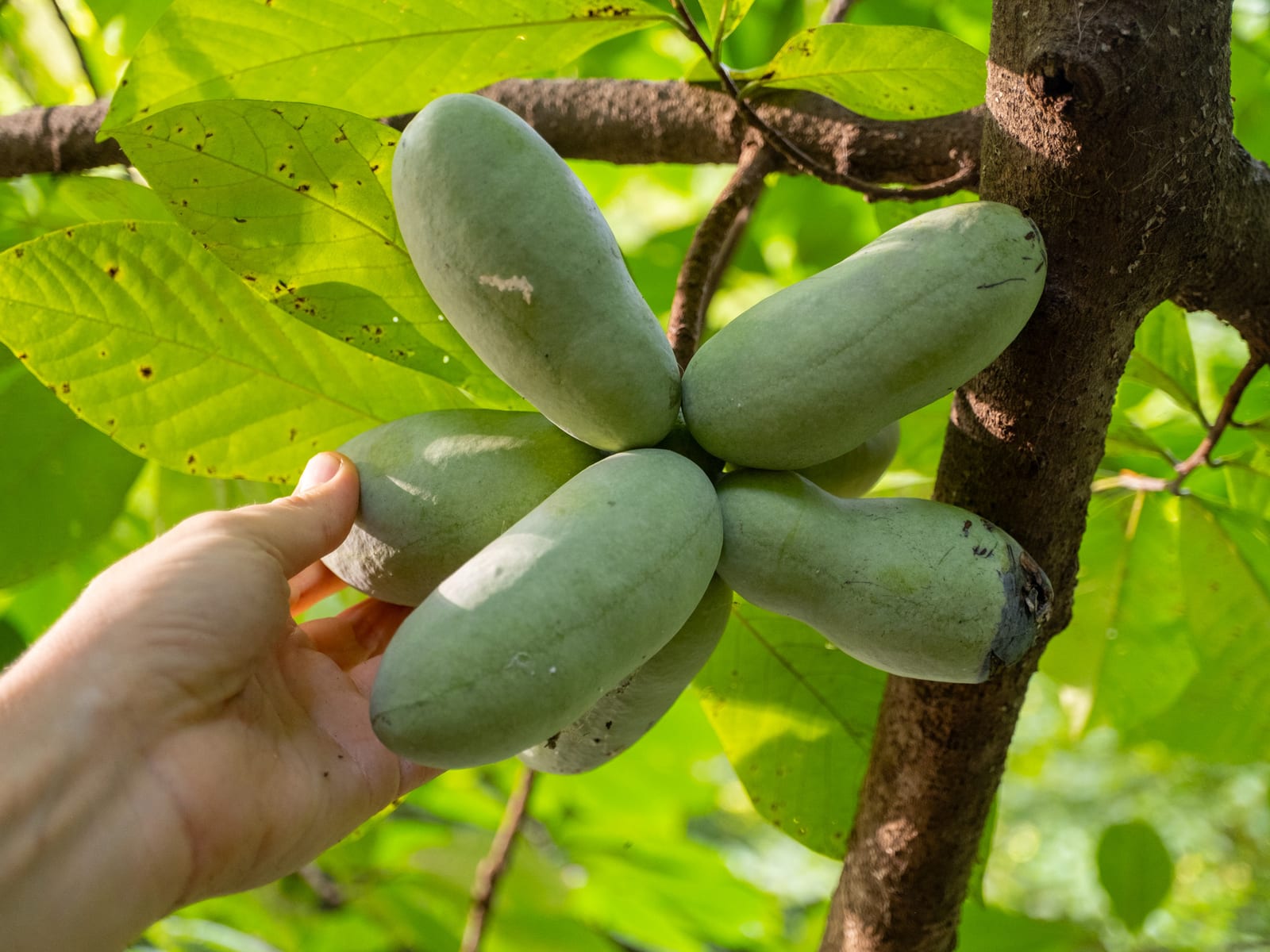
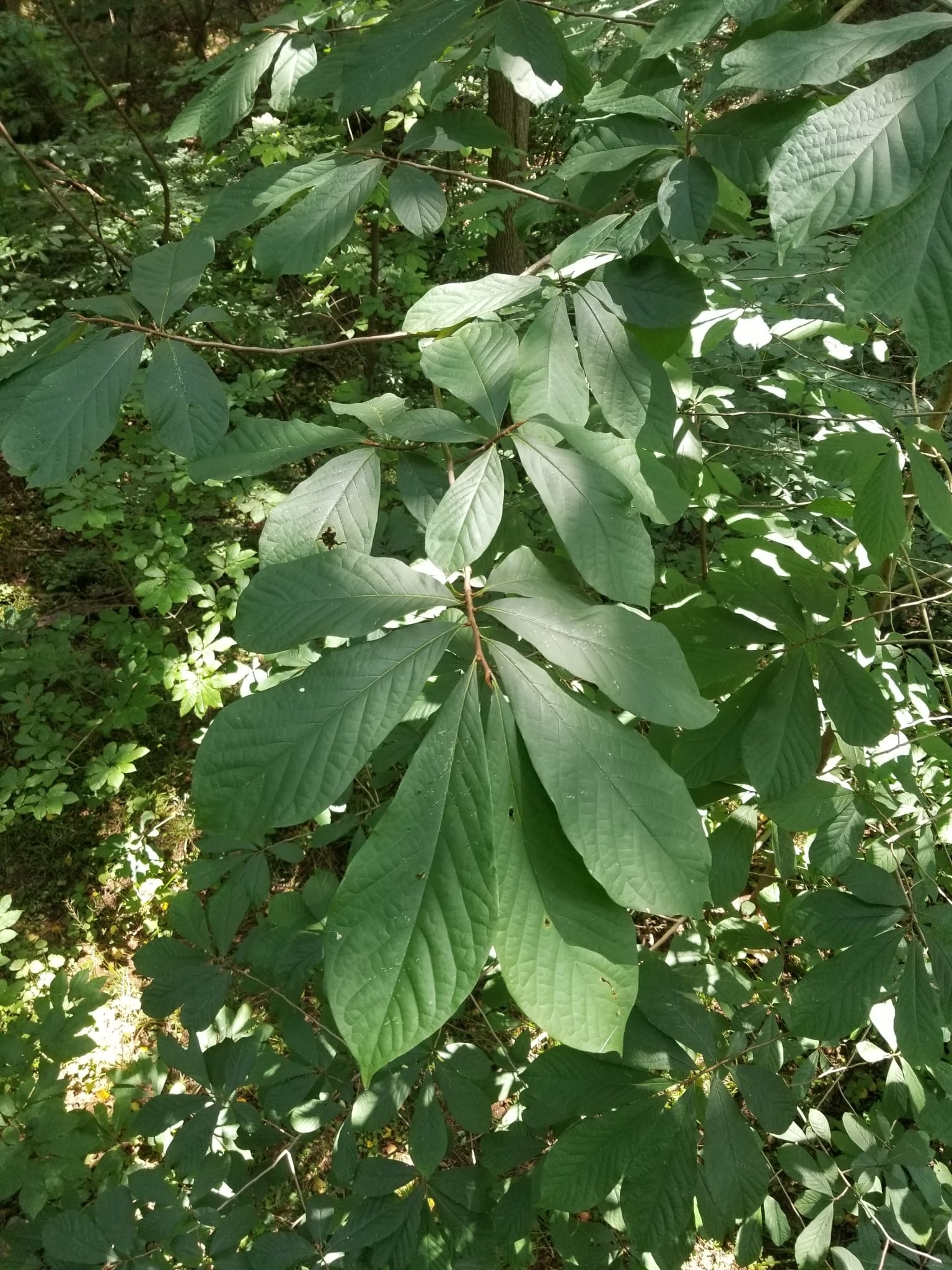
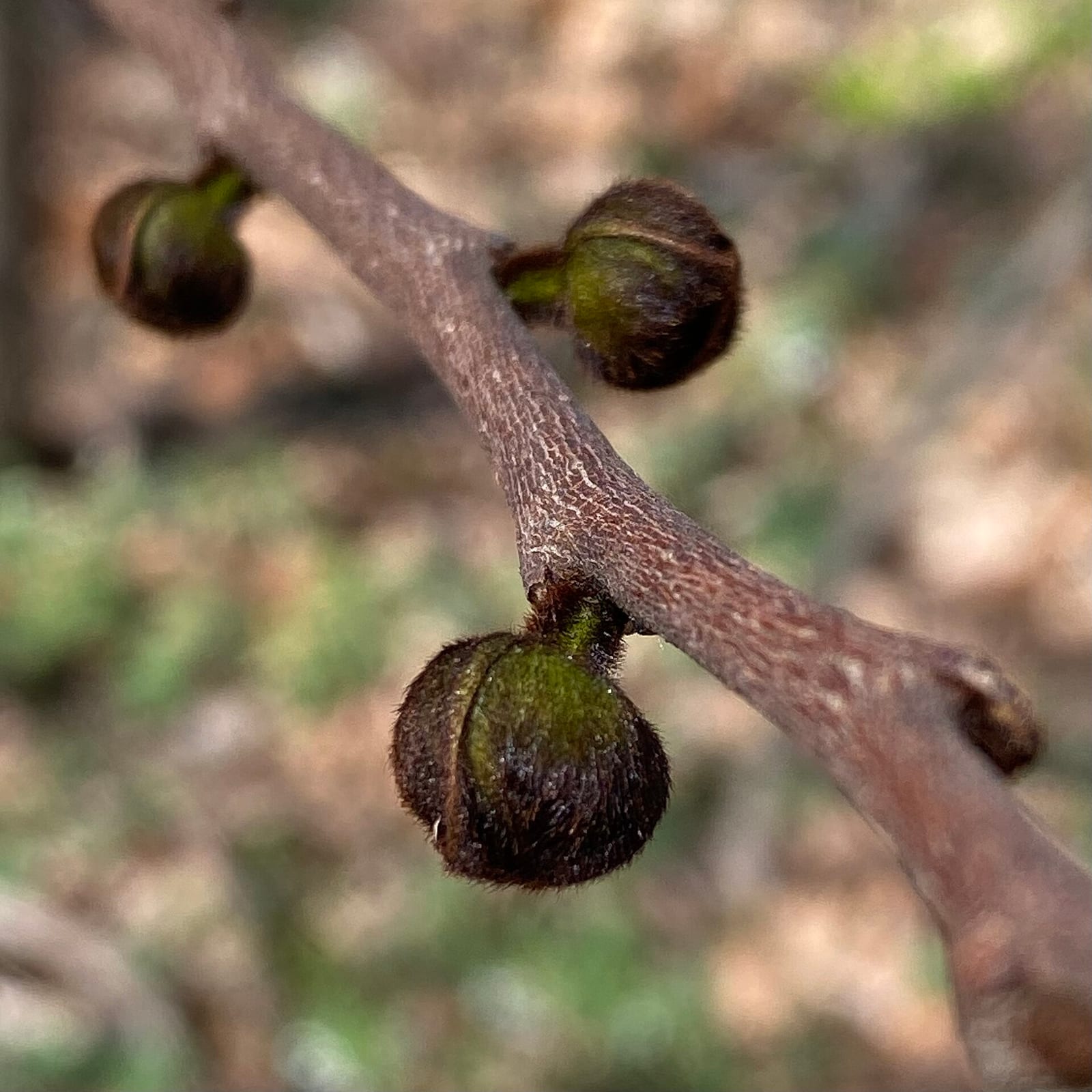
Confirm EVERY point before you eat it
0 of 4 confirmed. If any point does not match, it is not this plant.
Warnings
- Do not eat the seeds or skin. Seeds and bark contain toxic acetogenin compounds; only the ripe flesh is edible.
- Try a small amount first; some people get stomach upset. Some also get skin irritation from the fruit skin, leaves or bark, so wear gloves if you are harvesting in volume.
In season
August, September, October
Fruit ripens roughly August to October; maroon flowers March-May.
Habitat
Rich bottomland, stream edges and shaded understory, often in colonies.
Parts used
fruit flesh
Preparation and use
Eat ripe flesh fresh, or chill and freeze for smoothies and baking.
Harvest note
Ripe fruit spoils in days; leave unripe fruit on the tree.
Educational reference only. Never eat a wild plant or mushroom based on a website or app. Confirm with an experienced forager, your local extension office, or a mycological club. Poison Control (US): 1-800-222-1222. Call 911 for severe symptoms.