Sprouts & Seedlings
Pawpaw seedling
Asimina triloba
Small pawpaws in an existing patch. Transplants poorly because of a taproot, so move them very small and protect from sun.
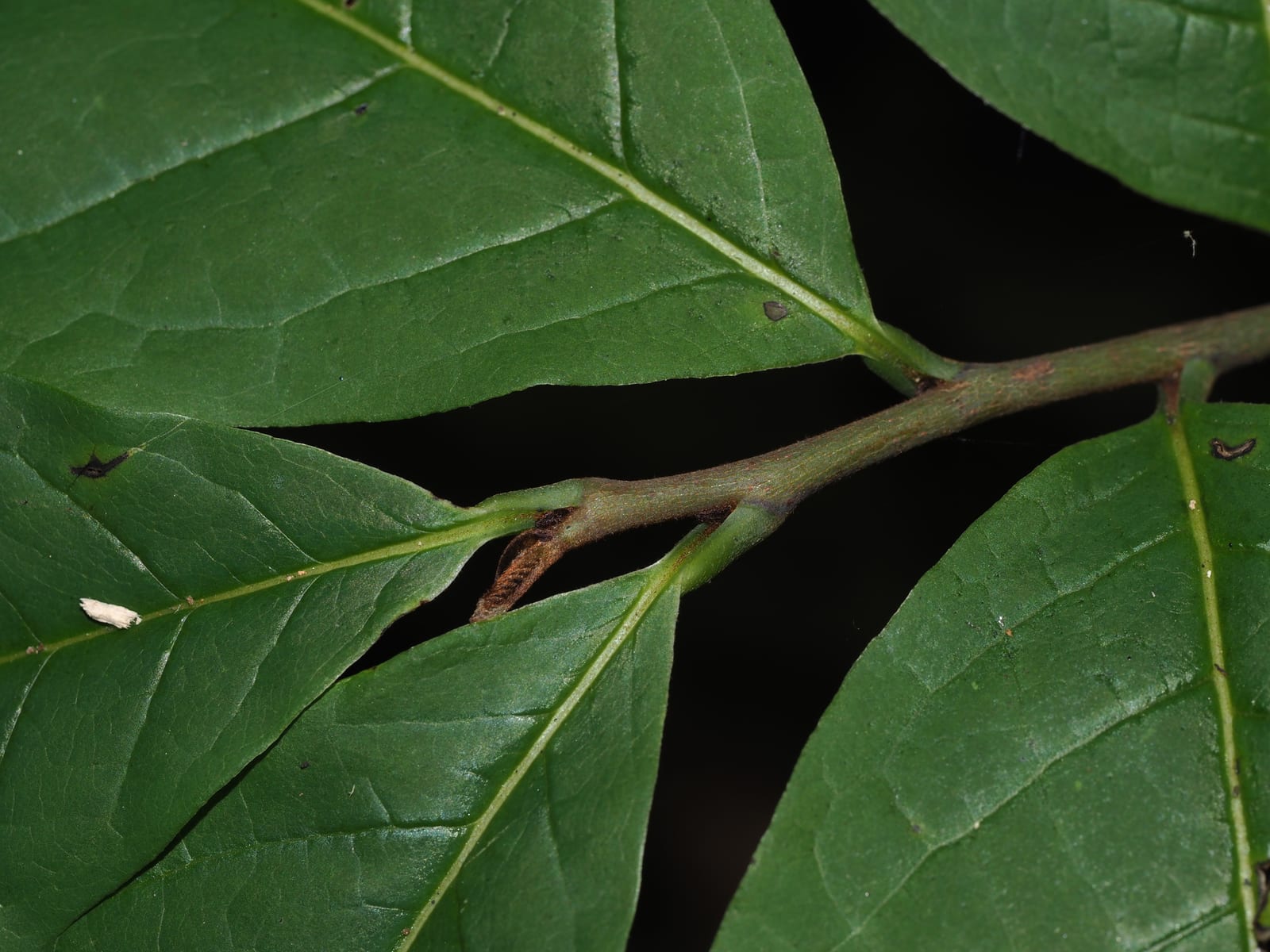
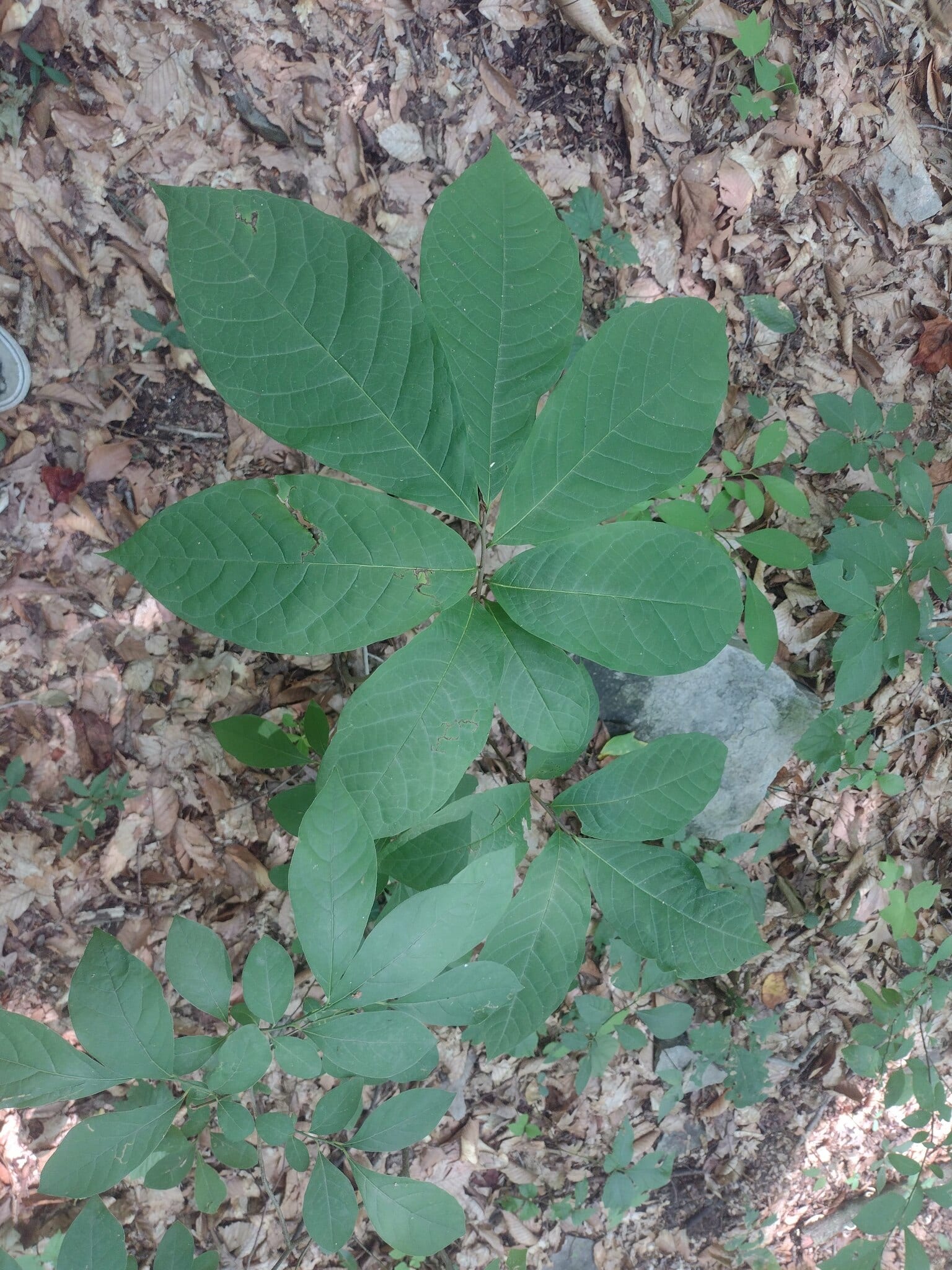
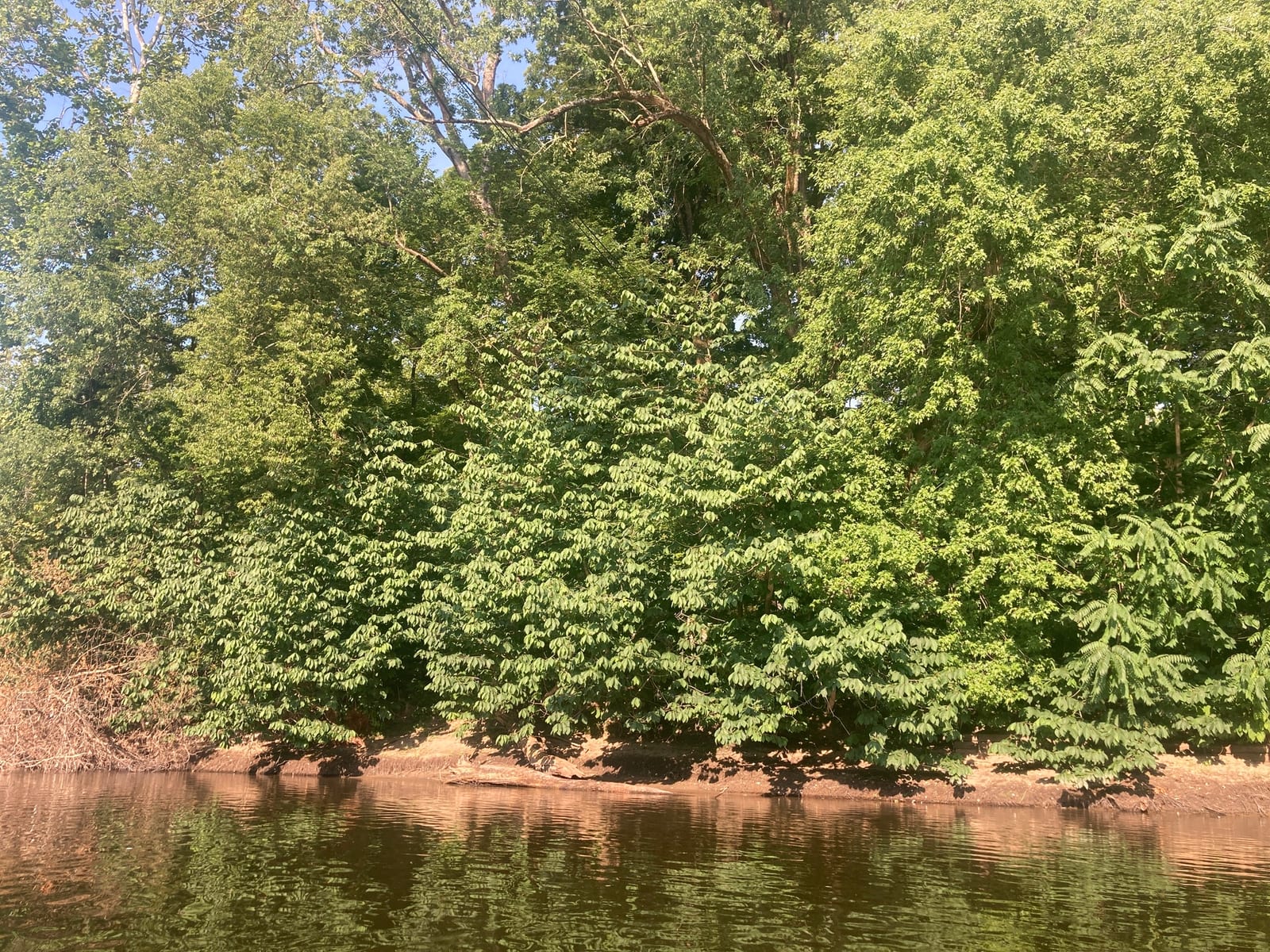
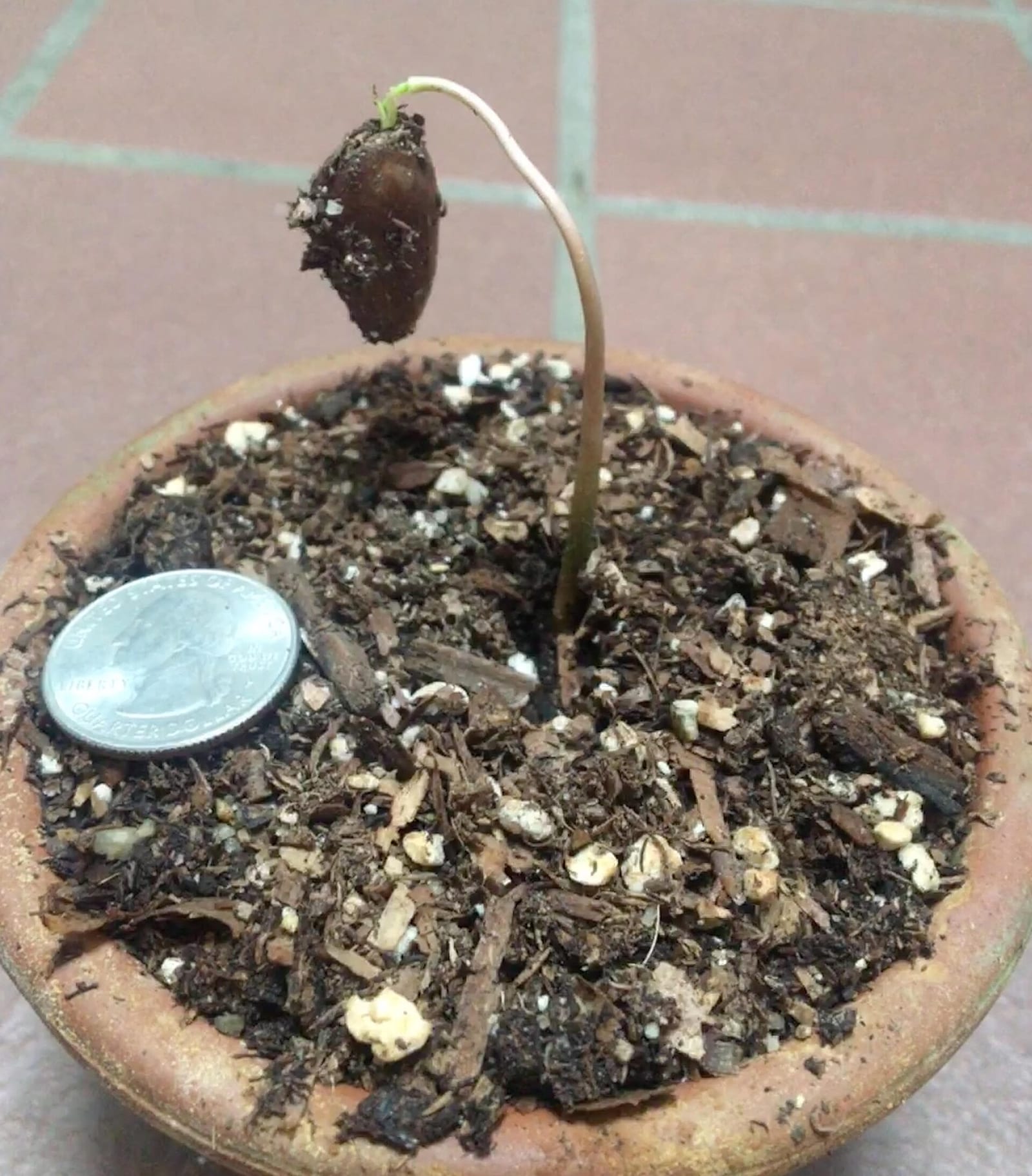
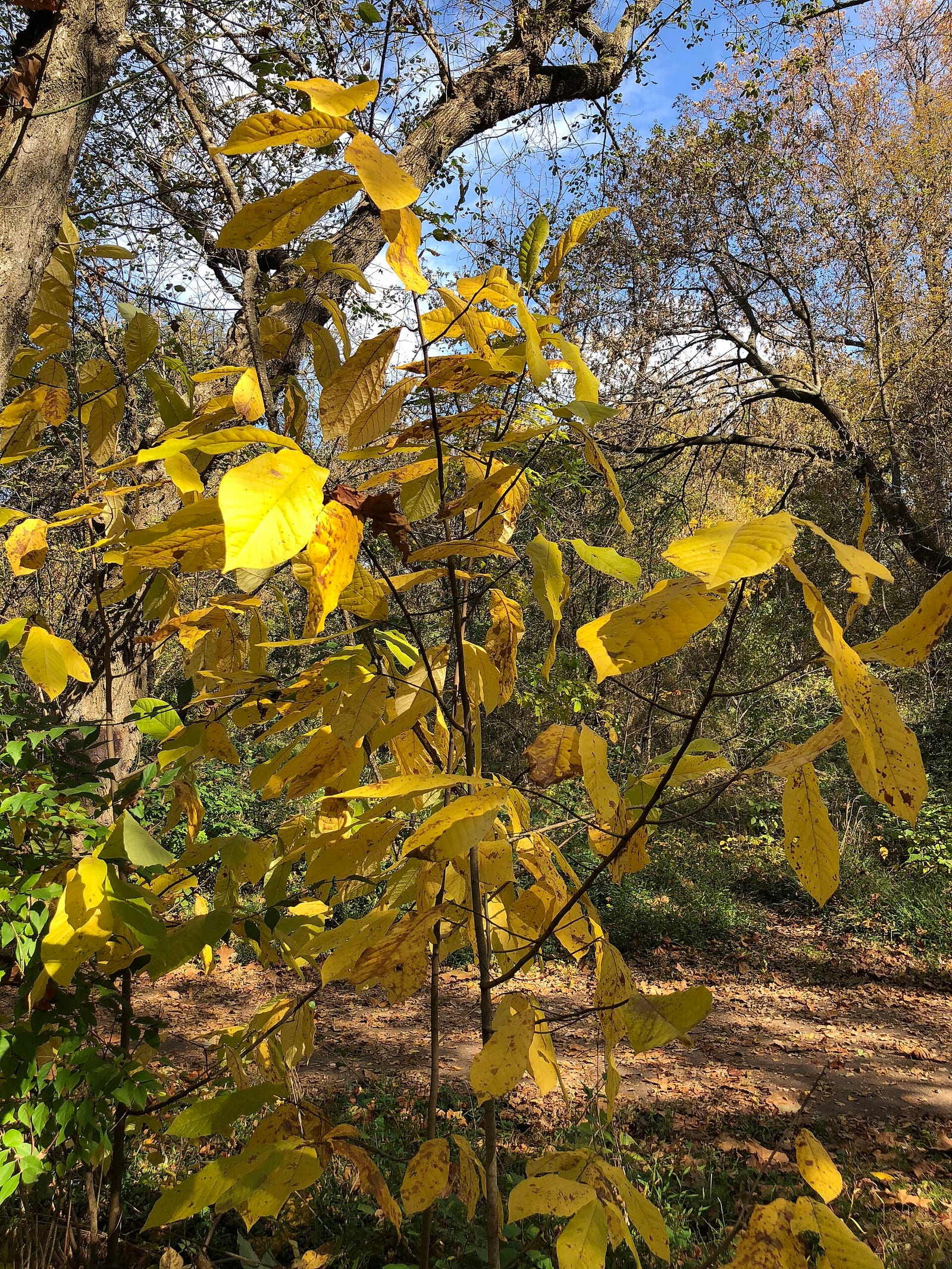
Confirm EVERY point before you move it
0 of 4 confirmed. If any point does not match, it is not this plant.
Warnings
- Full sun kills young pawpaws; shade them for the first 1-2 years.
Best time to move
March, April, October, November
Move while dormant: early spring before bud break or late fall. Identify in leaf (May-October).
Habitat
Shaded, rich bottomland under or beside mature pawpaws.
Parts used
seedling
Harvest note
Only take seedlings from a patch with plenty of others; get landowner permission.
Transplanting
Best window
Dormant season (early spring or late fall)
Transplant shock risk
high
Root type
taproot
Site
Part shade for years 1-2, moist well-drained rich soil
Method
Dig deep to keep as much of the taproot as possible; keep the root ball intact, water in well.
Notes
You need two genetically different trees for good fruit set. Root suckers from clones are harder than true seedlings.
Educational reference only. Never eat a wild plant or mushroom based on a website or app. Confirm with an experienced forager, your local extension office, or a mycological club. Poison Control (US): 1-800-222-1222. Call 911 for severe symptoms.