Wild Forage
Poison sumac
Toxicodendron vernix
Swamp shrub whose oils cause a severe rash. Never eat, never touch, never burn.
Key features
- Woody shrub or small tree, 5-20 ft, in wet ground
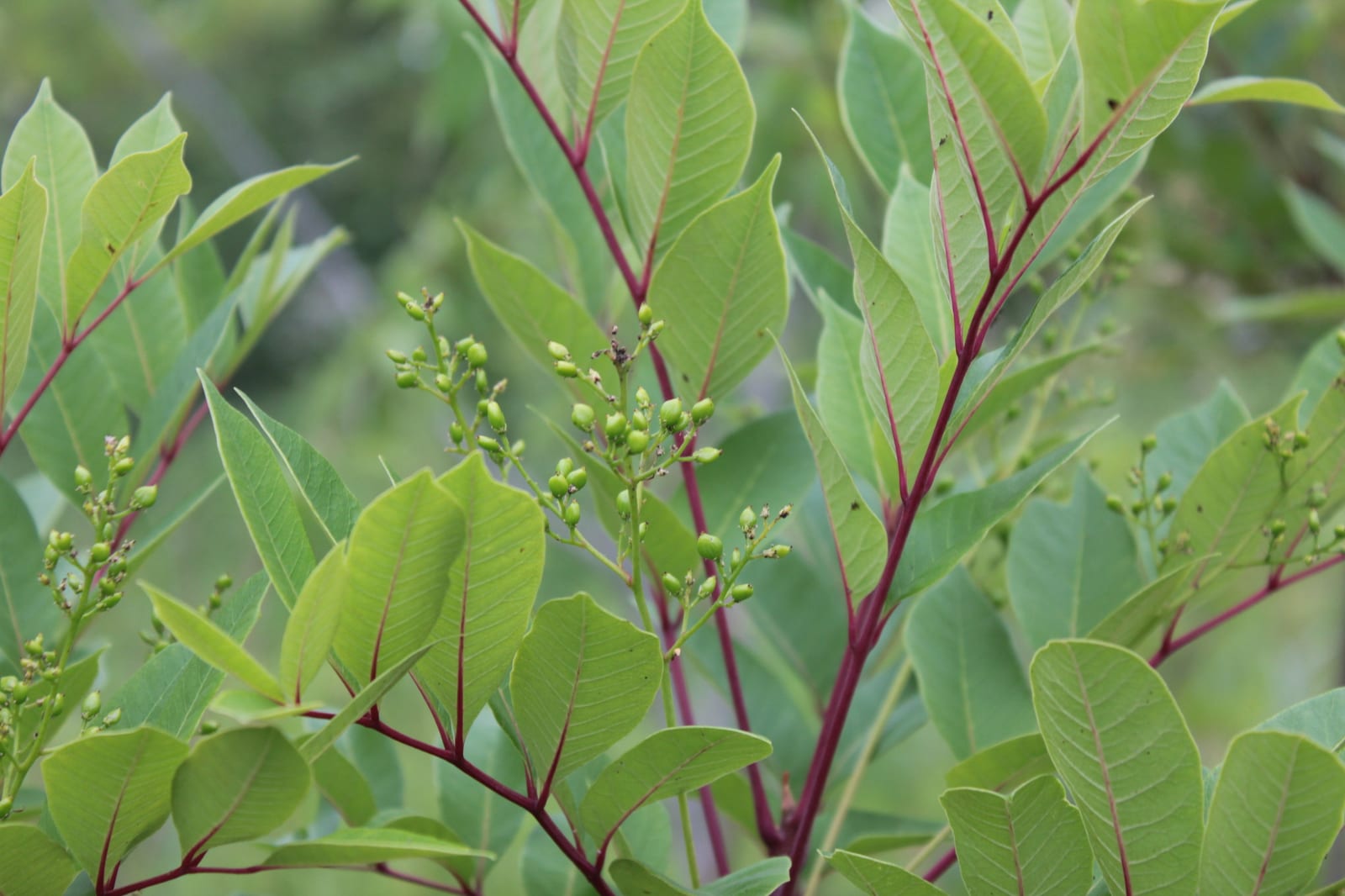
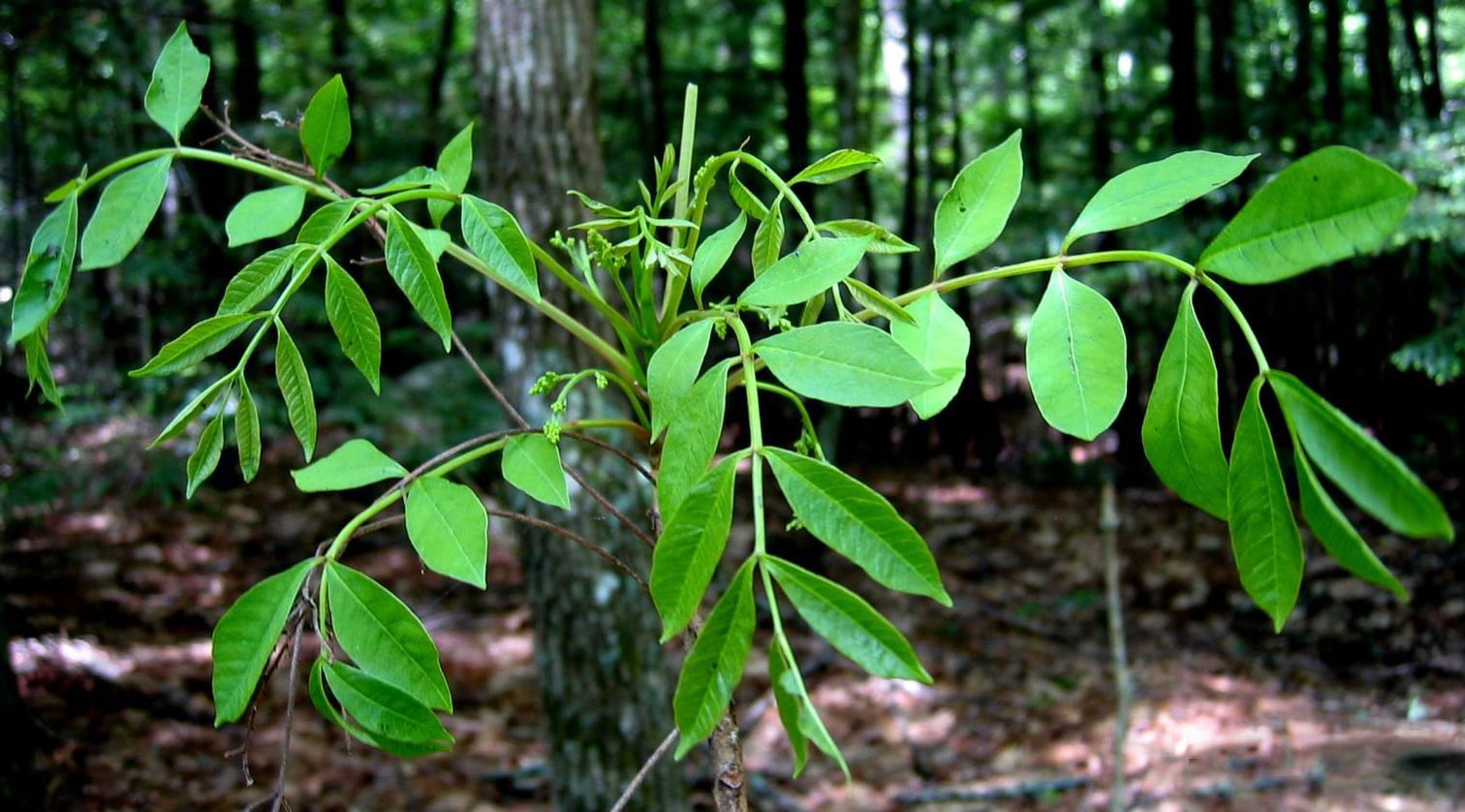
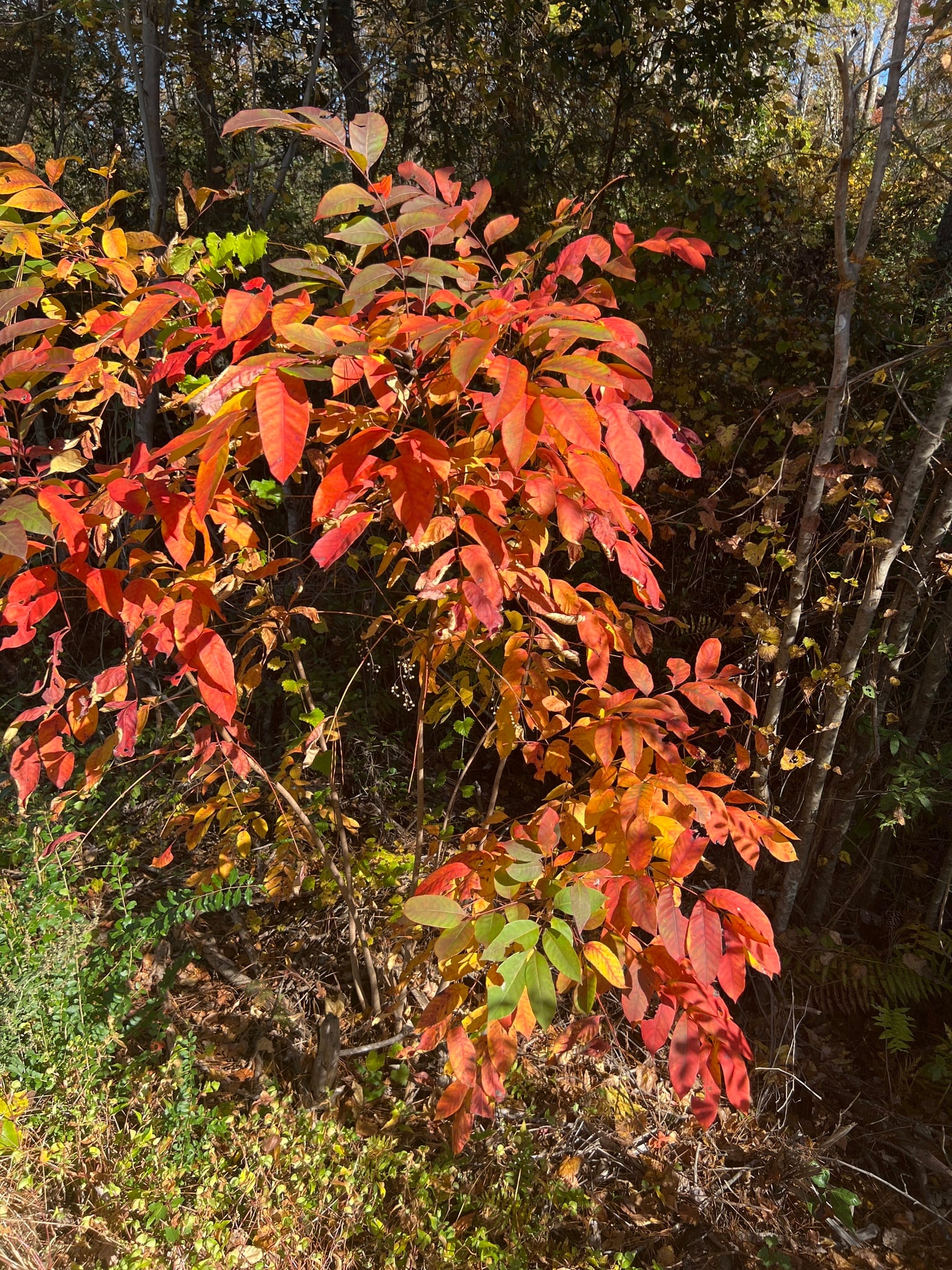
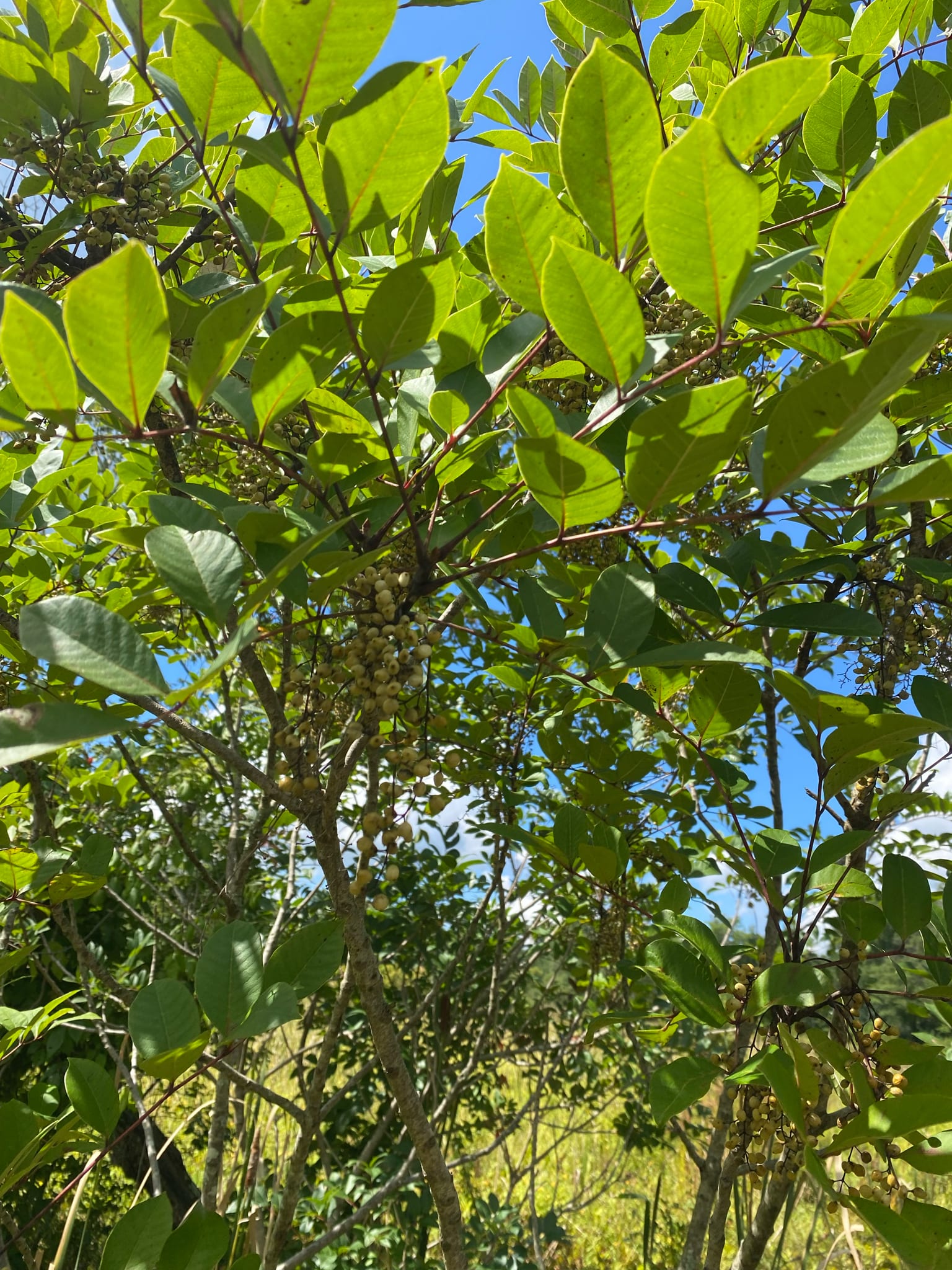
- Compound leaves of 7-13 smooth-edged leaflets on a red-tinged leaf stalk
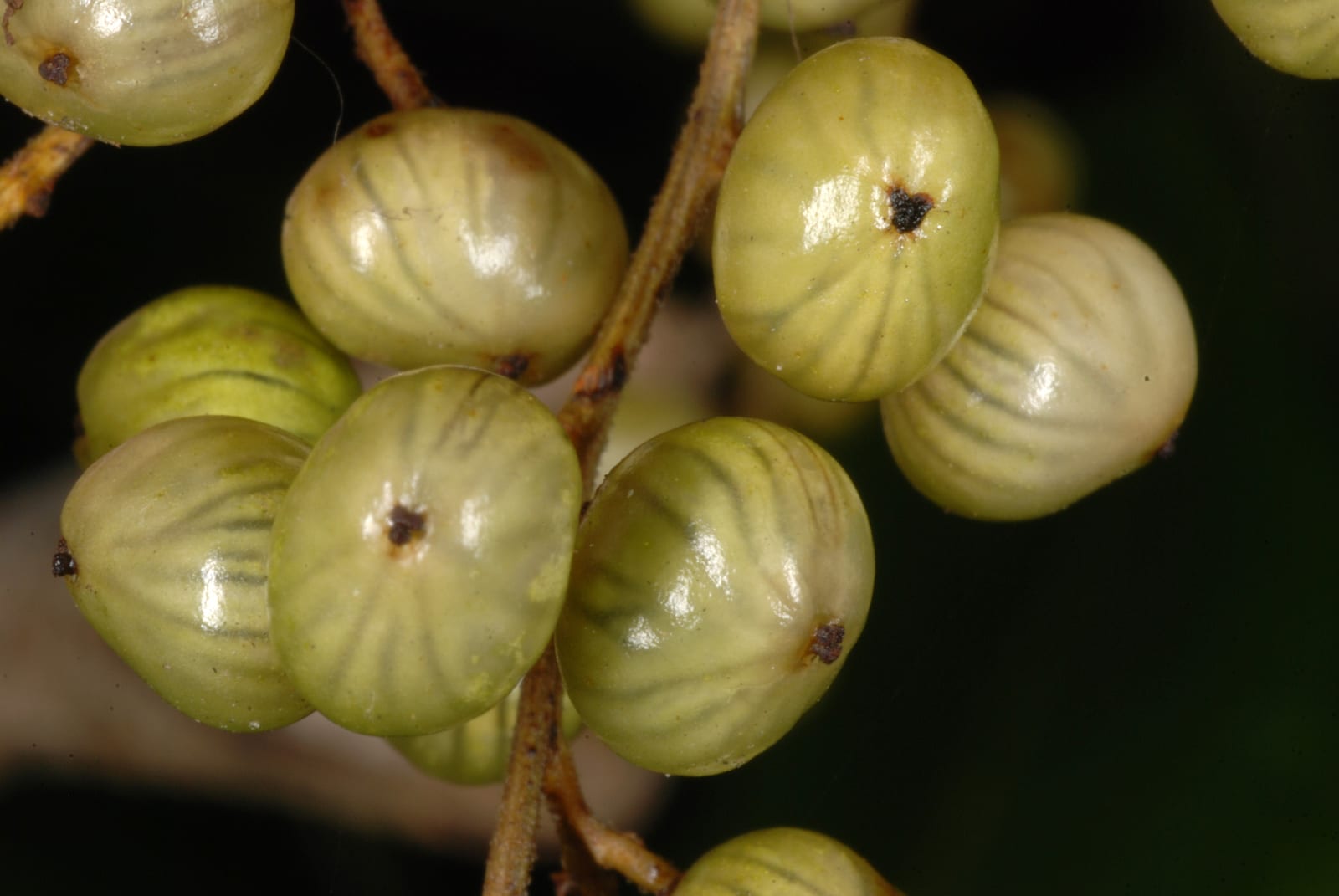
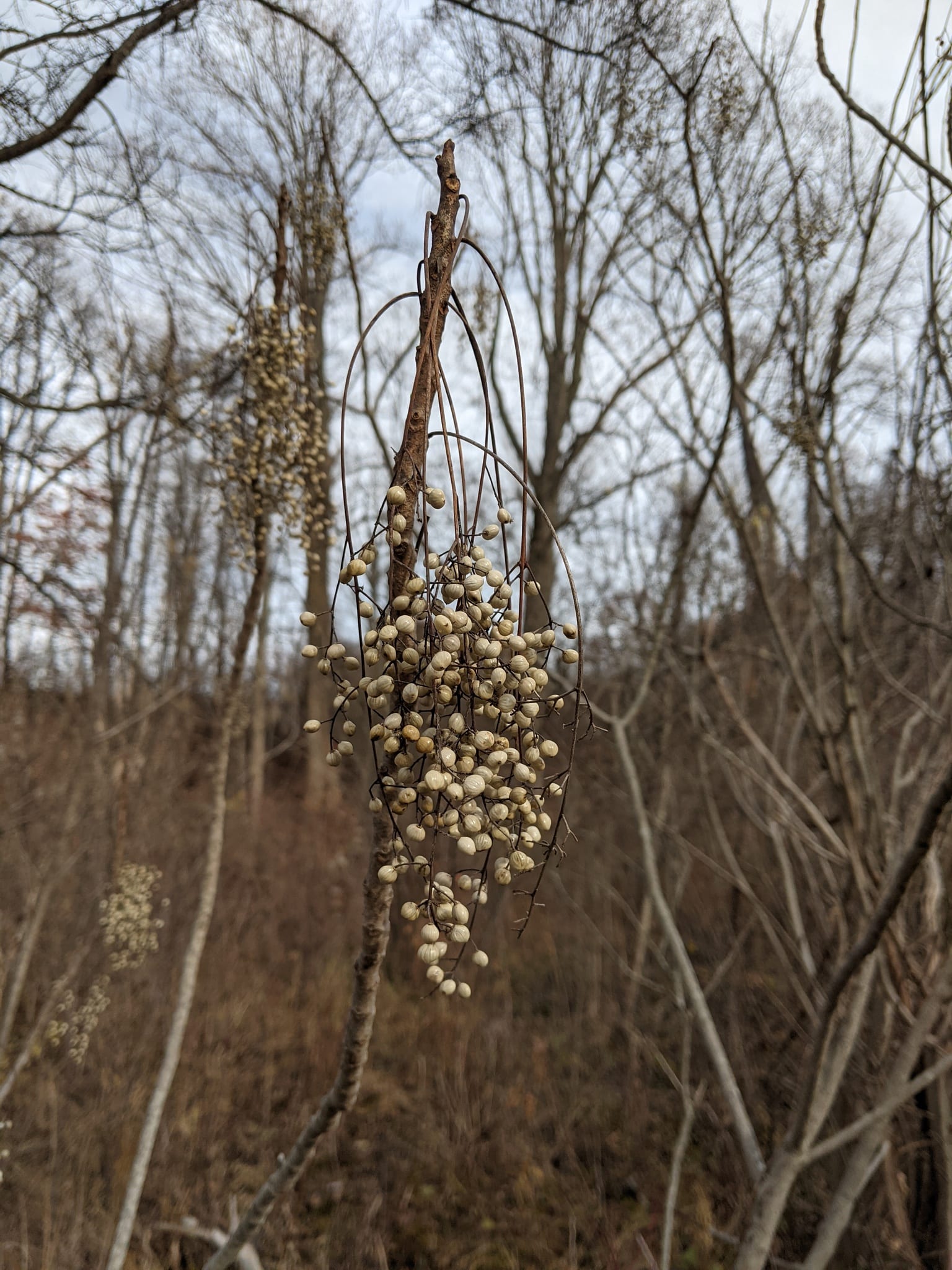
- Drooping clusters of smooth, whitish-gray berries in late summer and fall
- All parts, including dormant twigs, can cause a severe urushiol rash
What it gets mistaken for
- Staghorn sumacHarmless
Upright red fuzzy cones, toothed leaflets, fuzzy twigs, drier sites.
See the card →
Warnings
- Never burn it: smoke can cause severe lung reactions.
In season
May, June, July, August, September, October
Identifiable in leaf and in fall fruit; oils remain in winter twigs.
Habitat
Swamps, bogs and wet thickets.
Educational reference only. Never eat a wild plant or mushroom based on a website or app. Confirm with an experienced forager, your local extension office, or a mycological club. Poison Control (US): 1-800-222-1222. Call 911 for severe symptoms.