Wild ForageCaution
Staghorn sumac
Rhus typhina
Also called: smooth sumac (Rhus glabra) is similar and also used
Upright red fuzzy fruit cones make a tart, lemony drink. Poison sumac is the look-alike to rule out.
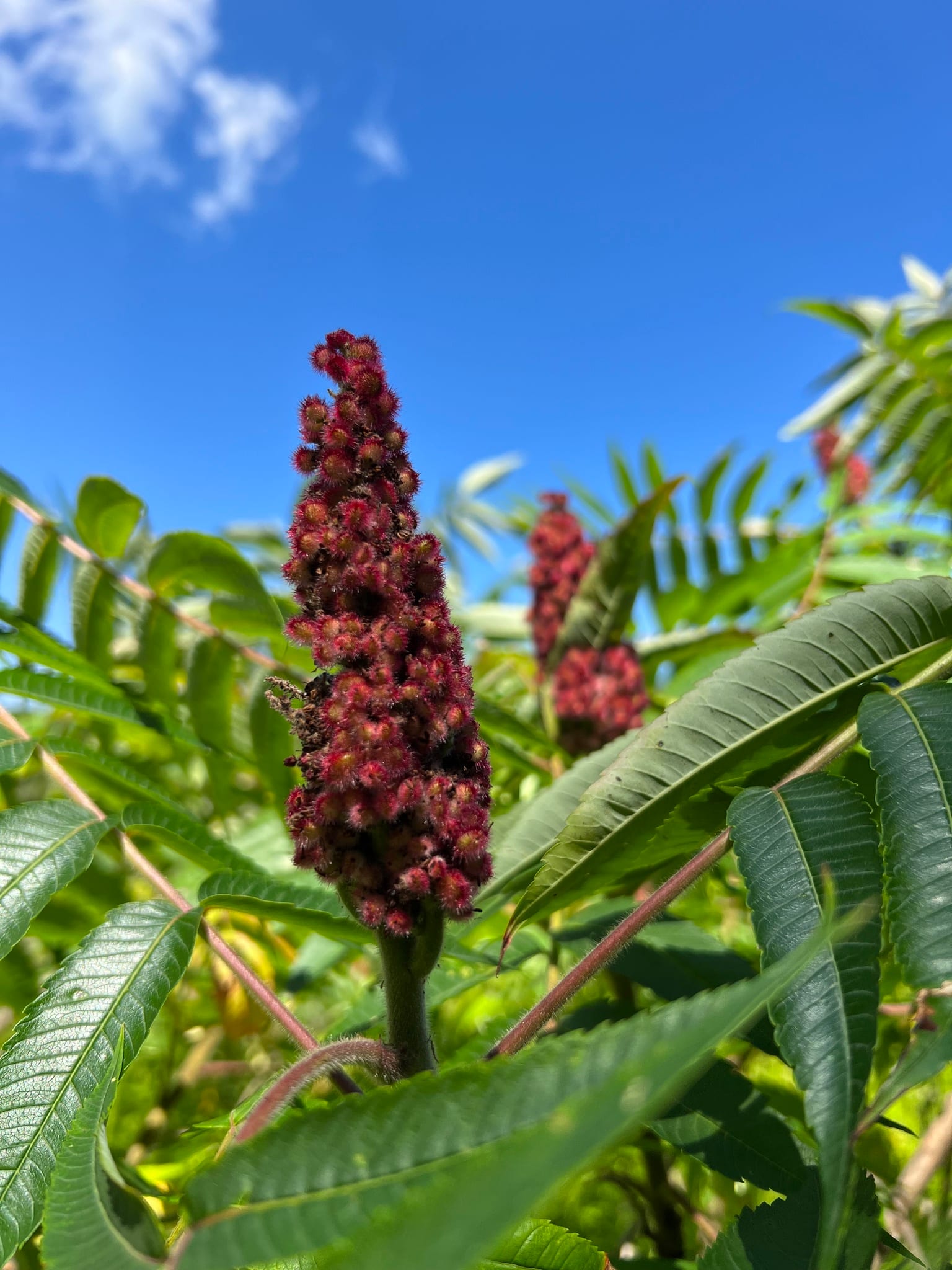
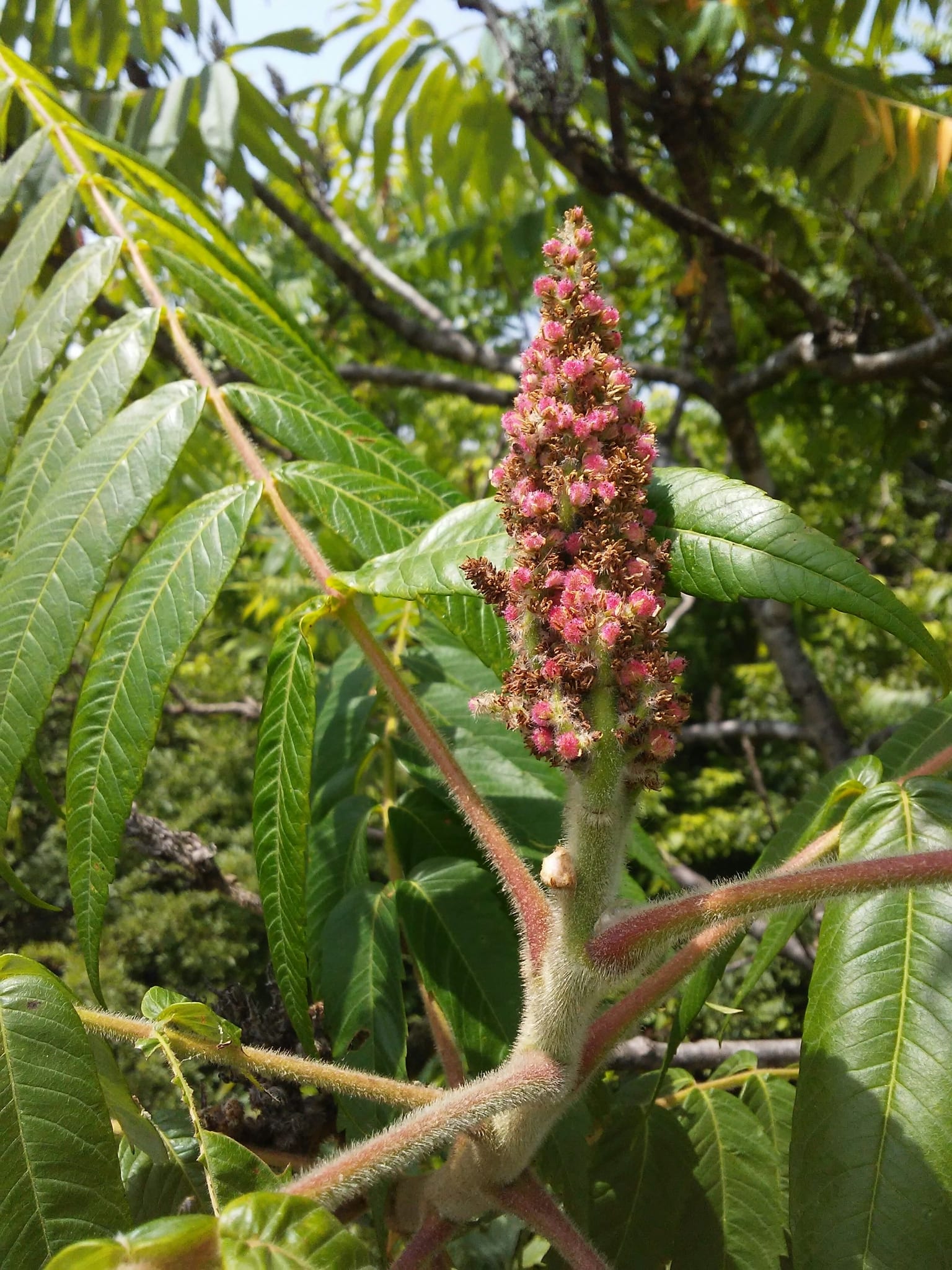
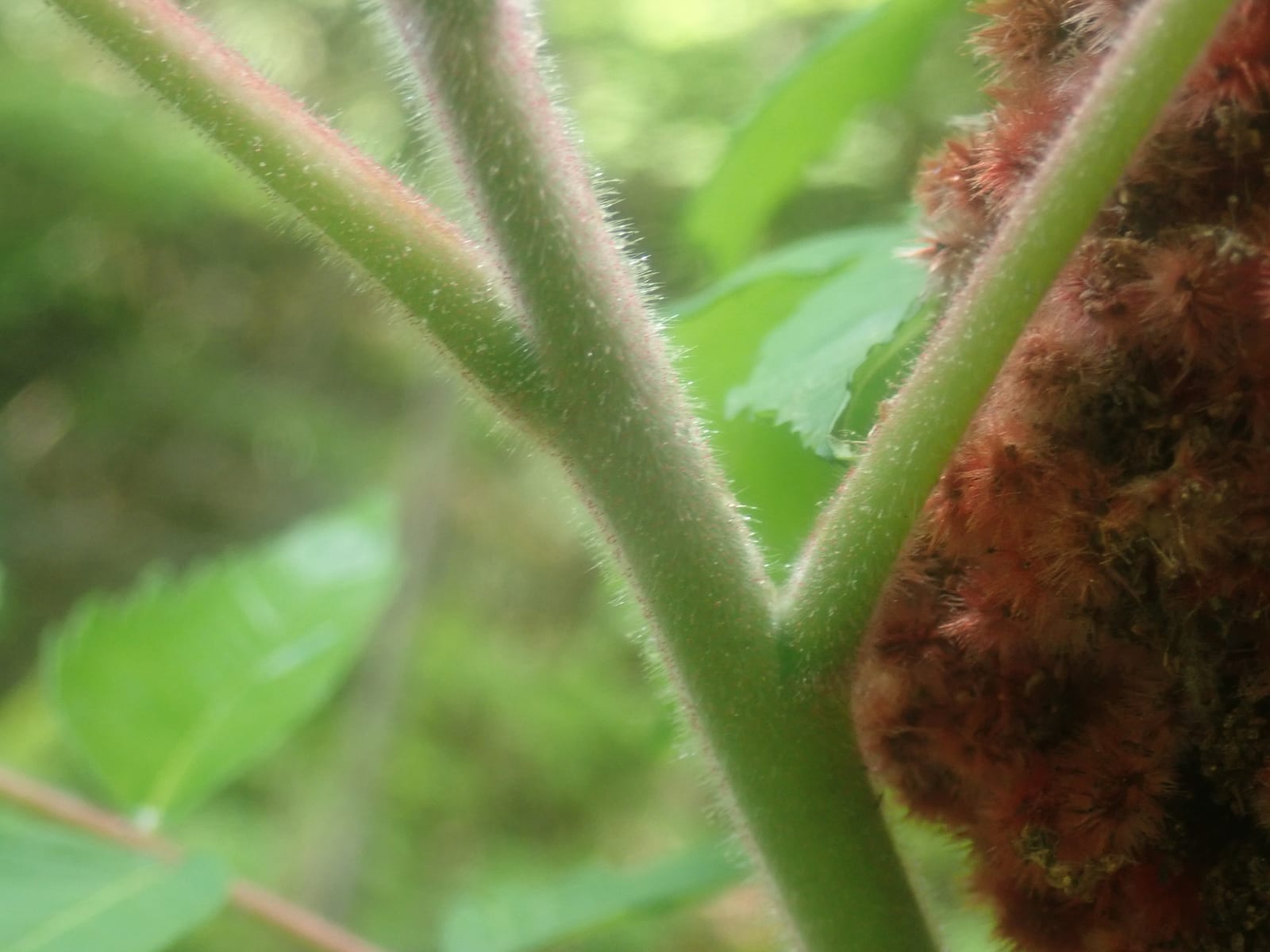
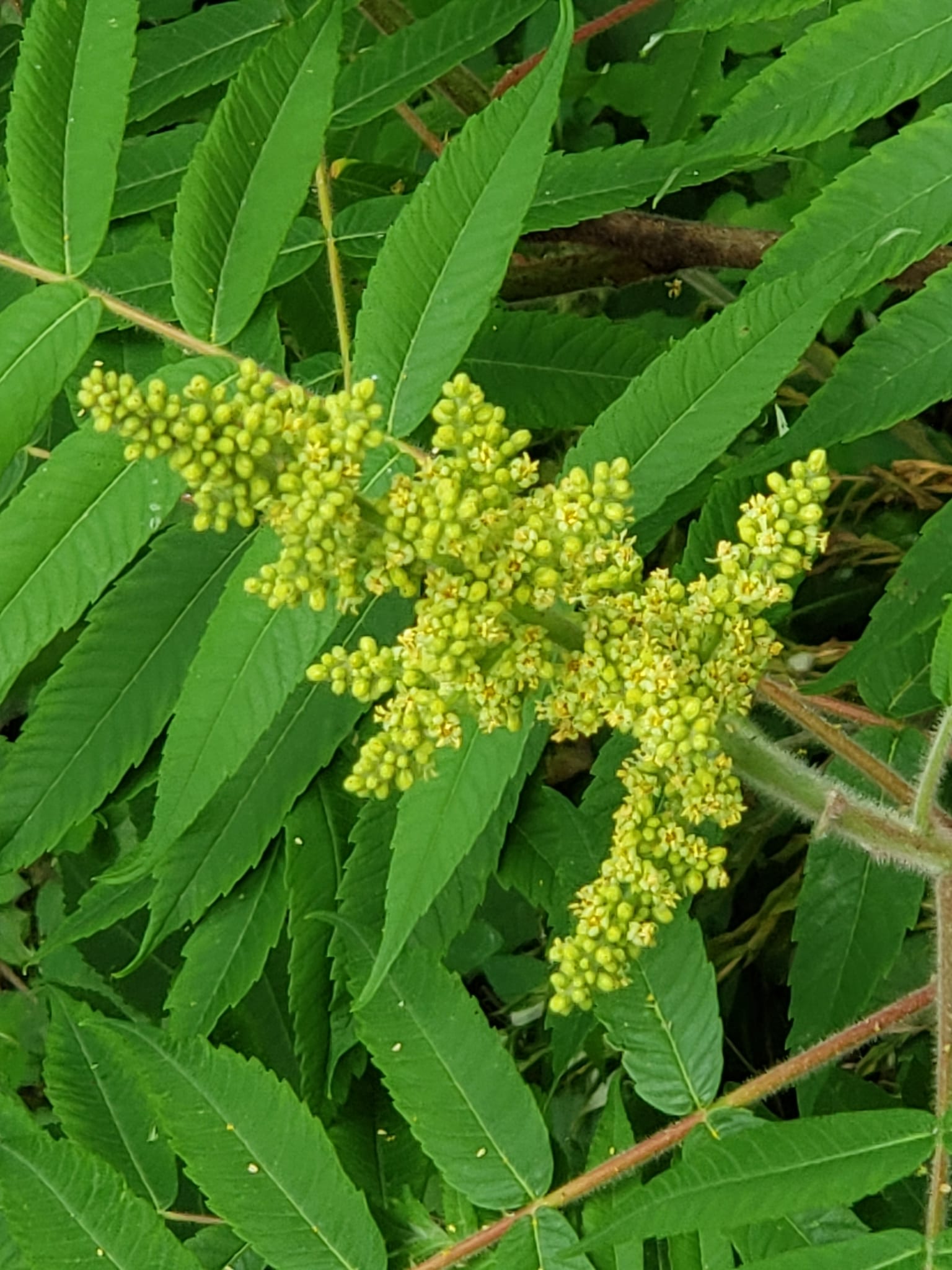
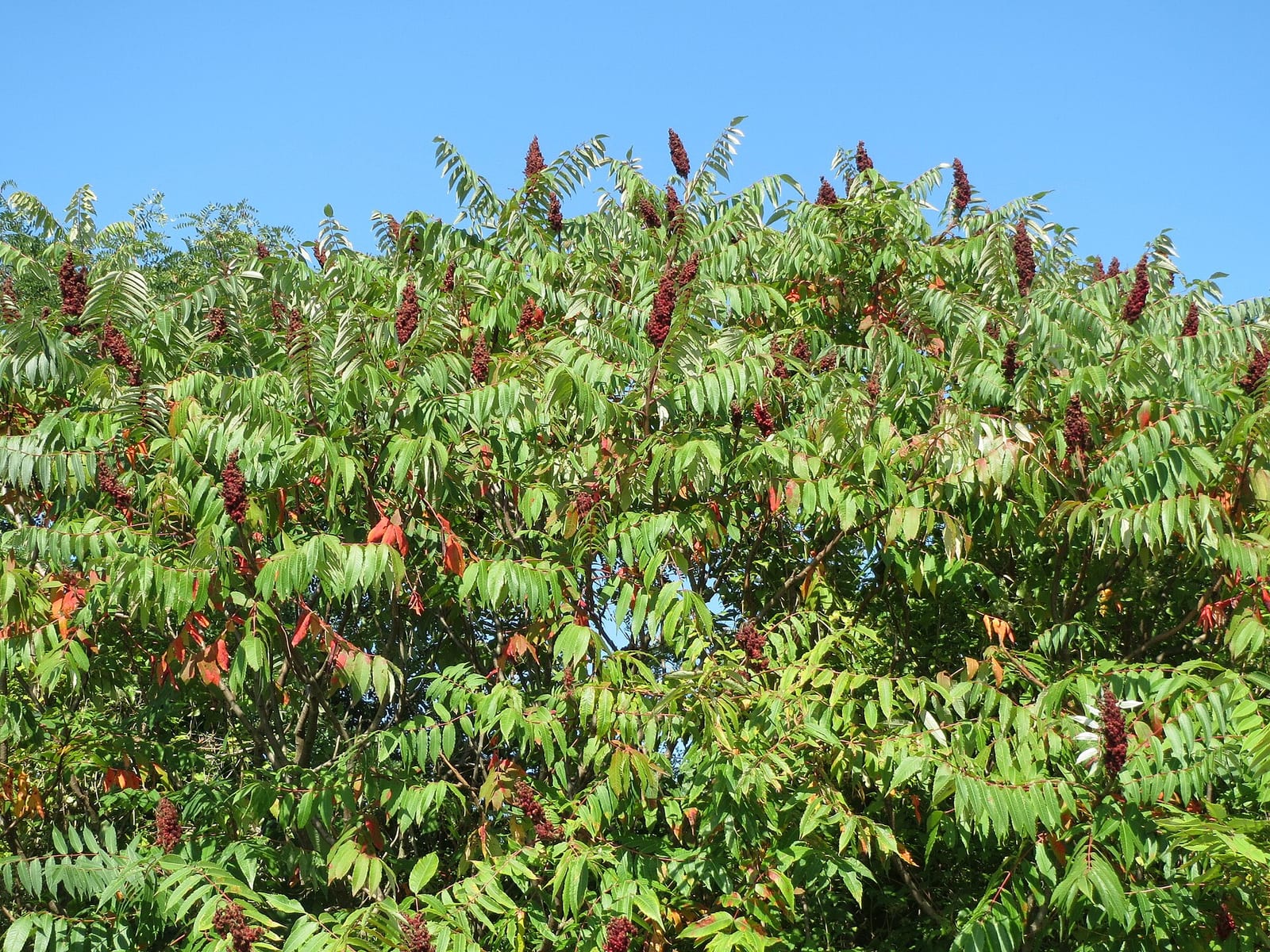
Confirm EVERY point before you eat it
0 of 4 confirmed. If any point does not match, it is not this plant.
Look-alikes to rule out
- Poison sumacSkin irritant
Grows in swamps, has smooth-edged leaflets and drooping whitish berries. Never eat, never touch.
See the card →
Warnings
- Sumac is related to cashew and mango; people with those allergies should be cautious.
In season
July, August, September
Red fruit clusters ready from mid-summer into early fall.
Habitat
Dry, open, sunny sites, roadsides, field edges.
Parts used
fruit clusters
Preparation and use
Soak fruit in cold water, strain through cloth to remove hairs, sweeten. Do not boil.
Harvest note
Avoid roadsides with heavy traffic or spraying.
Educational reference only. Never eat a wild plant or mushroom based on a website or app. Confirm with an experienced forager, your local extension office, or a mycological club. Poison Control (US): 1-800-222-1222. Call 911 for severe symptoms.