Wild Forage
Wild blackberry / black raspberry
Rubus allegheniensis / Rubus occidentalis
Also called: bramble
Thorny arching canes with compound leaves and dark aggregate fruit.
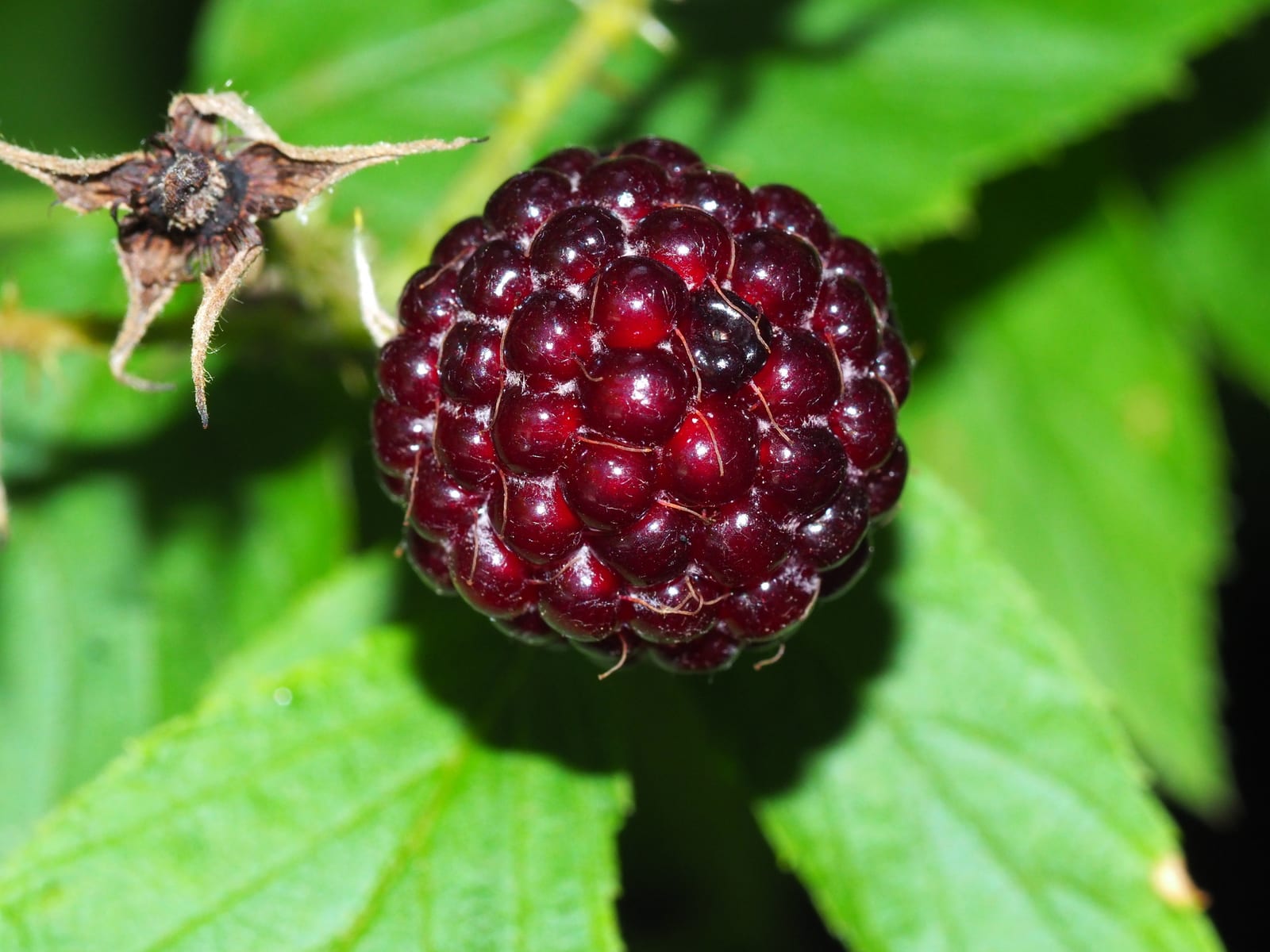
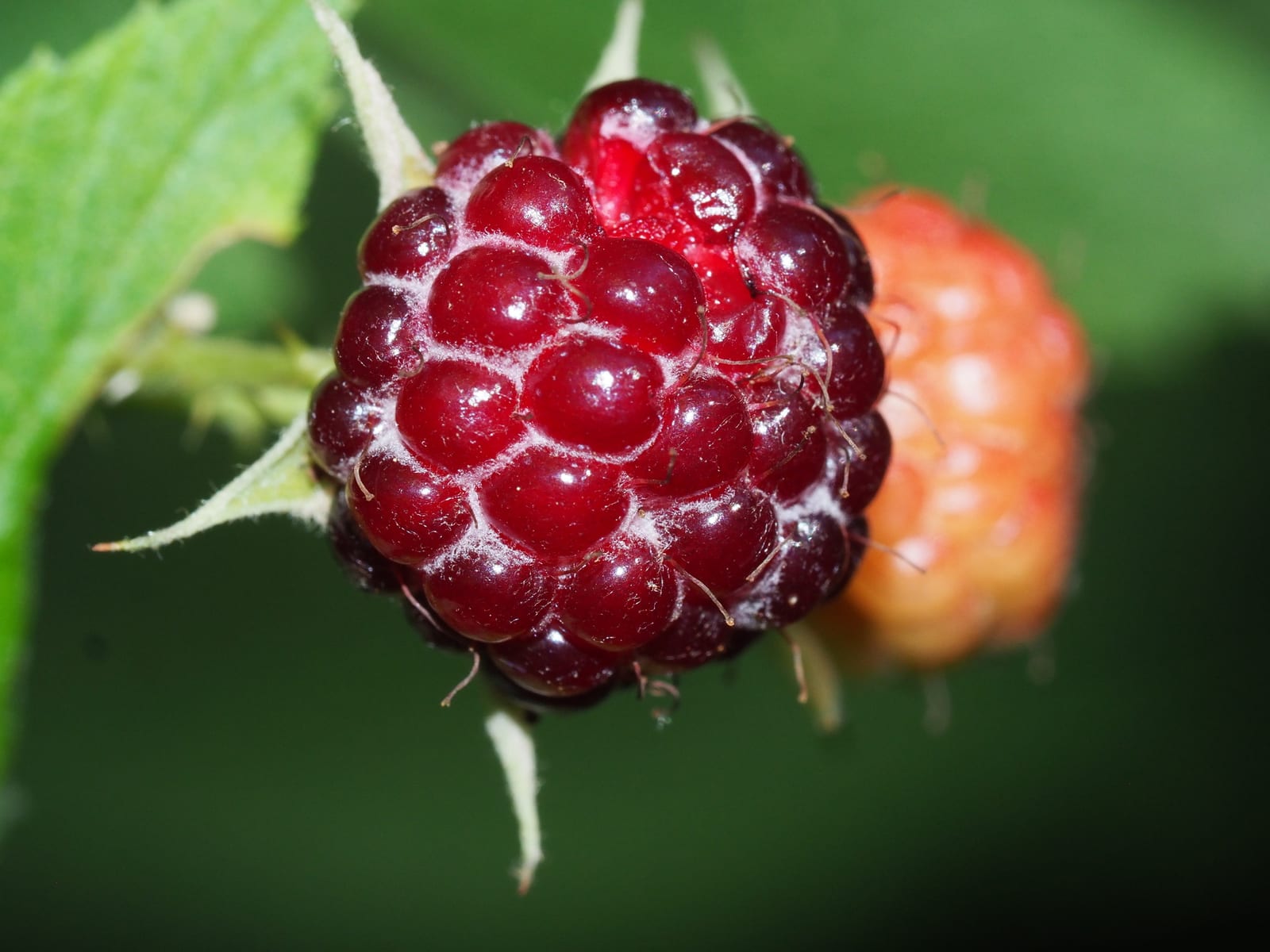
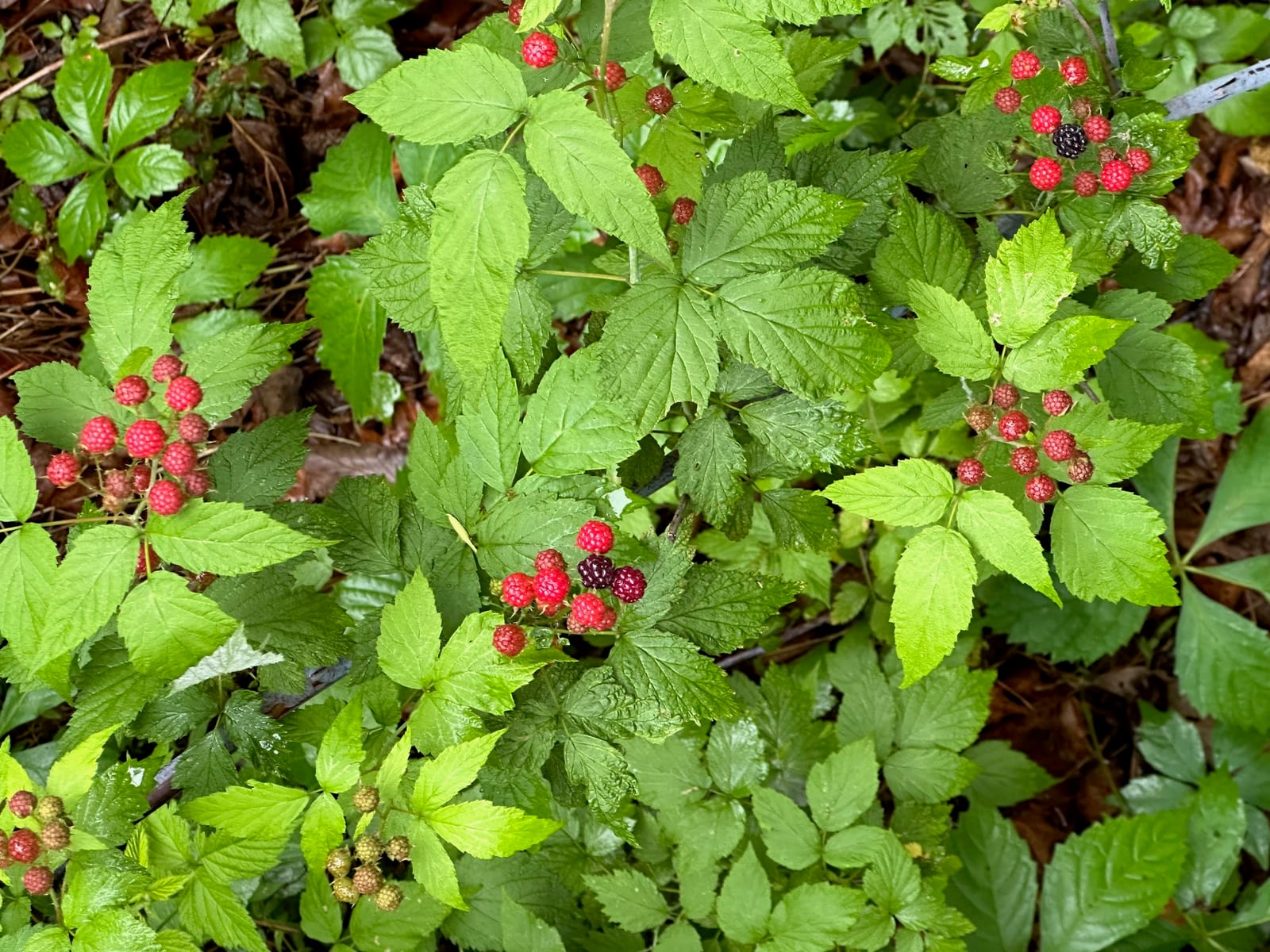
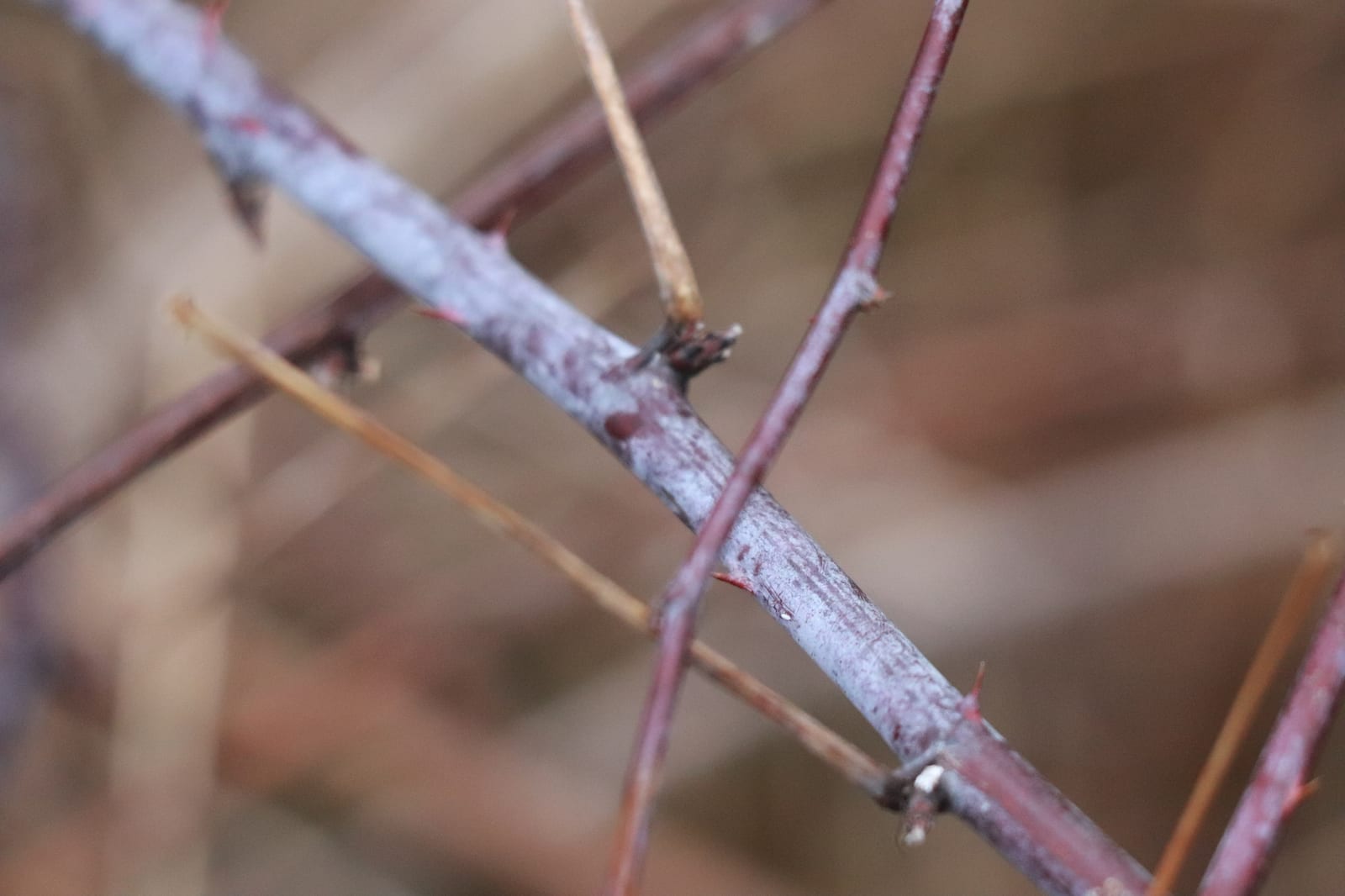
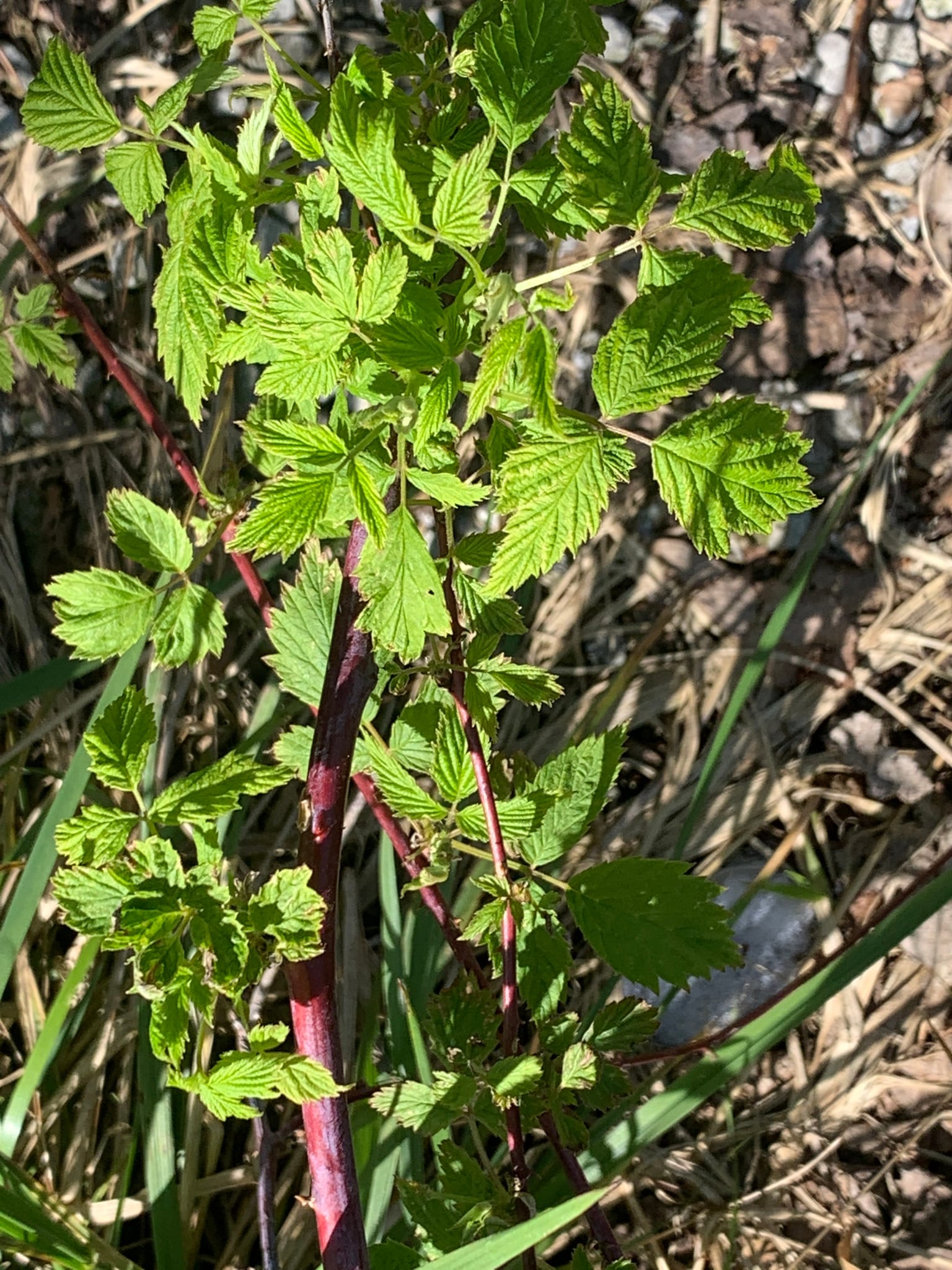
Confirm EVERY point before you eat it
0 of 4 confirmed. If any point does not match, it is not this plant.
Look-alikes to rule out
- Poison ivy (young shoots)Skin irritant
No thorns, glossy 3 leaflets, middle leaflet on a longer stalk, no cane fruit.
See the card →
In season
June, July, August
Black raspberries ripen first (June-July); blackberries follow (July-August).
Habitat
Field edges, clearcuts, fence lines, sunny woodland openings.
Parts used
fruit, young leaves (tea)
Preparation and use
Fresh, jam, cobbler, dried leaf tea.
Harvest note
Check for ticks and chiggers; avoid sprayed roadsides.
Educational reference only. Never eat a wild plant or mushroom based on a website or app. Confirm with an experienced forager, your local extension office, or a mycological club. Poison Control (US): 1-800-222-1222. Call 911 for severe symptoms.