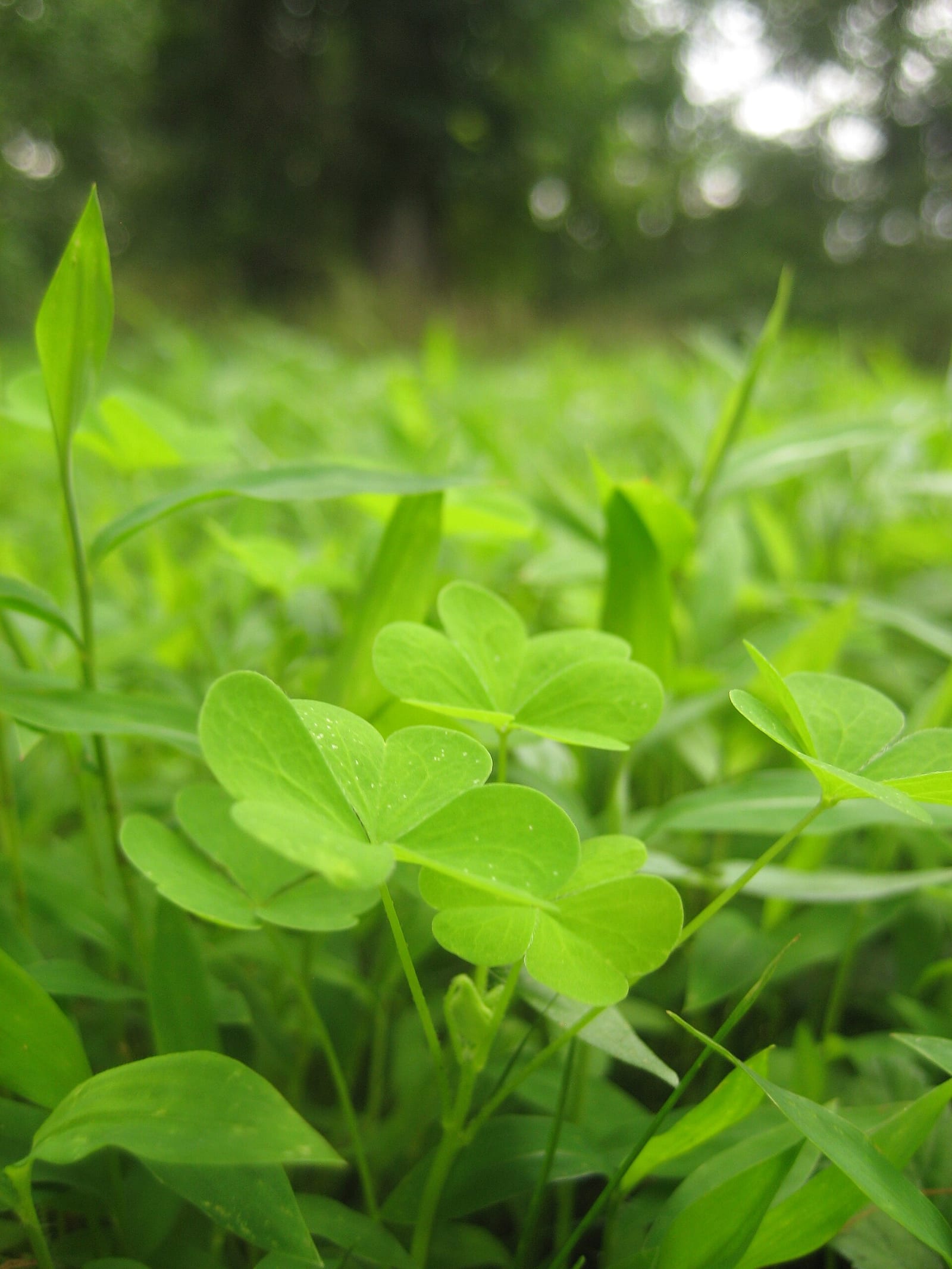
Wood sorrel
Oxalis stricta / Oxalis violacea
Also called: sourgrass
Clover-looking plant with heart-shaped leaflets and a sour, lemony taste.
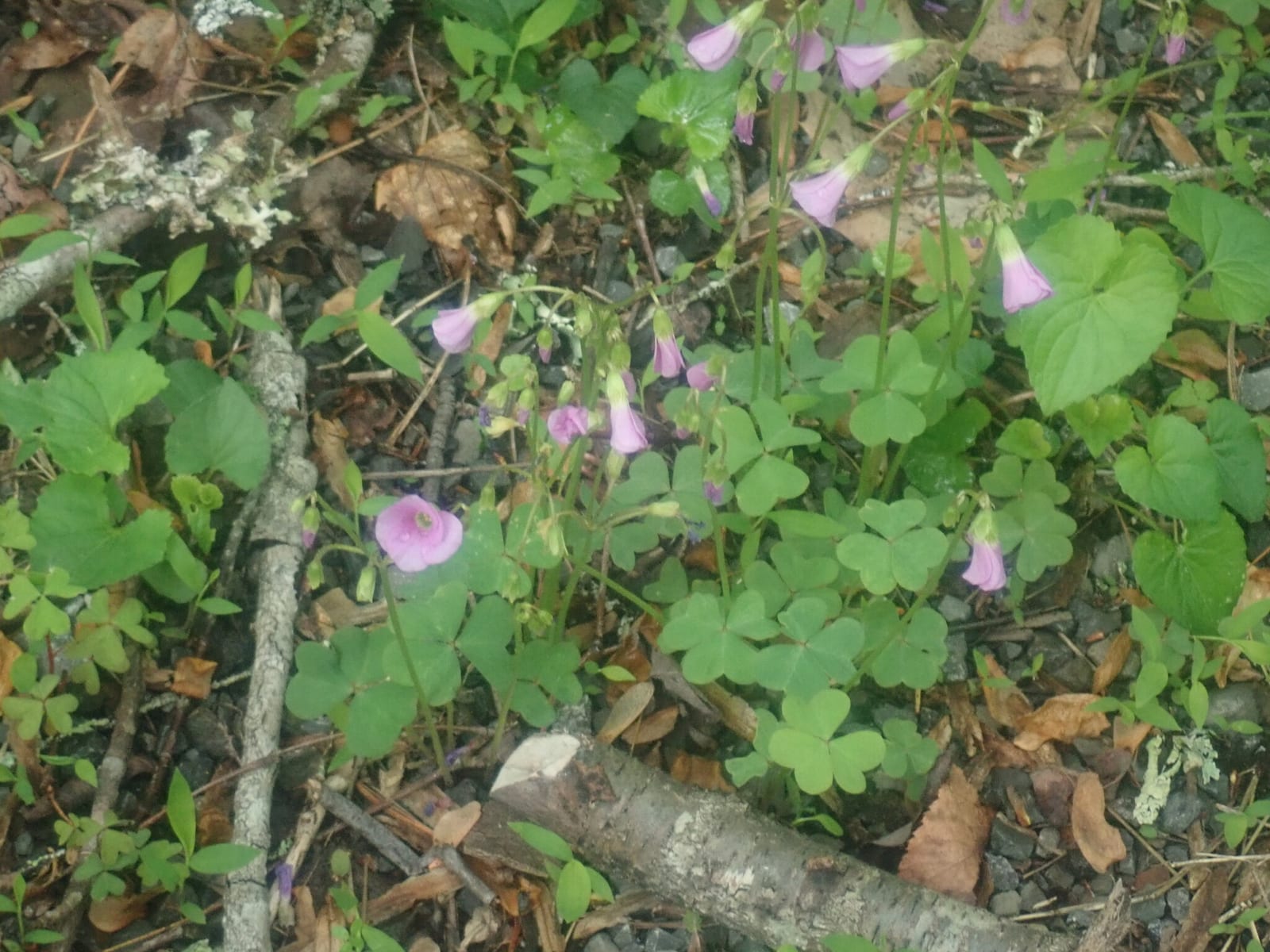
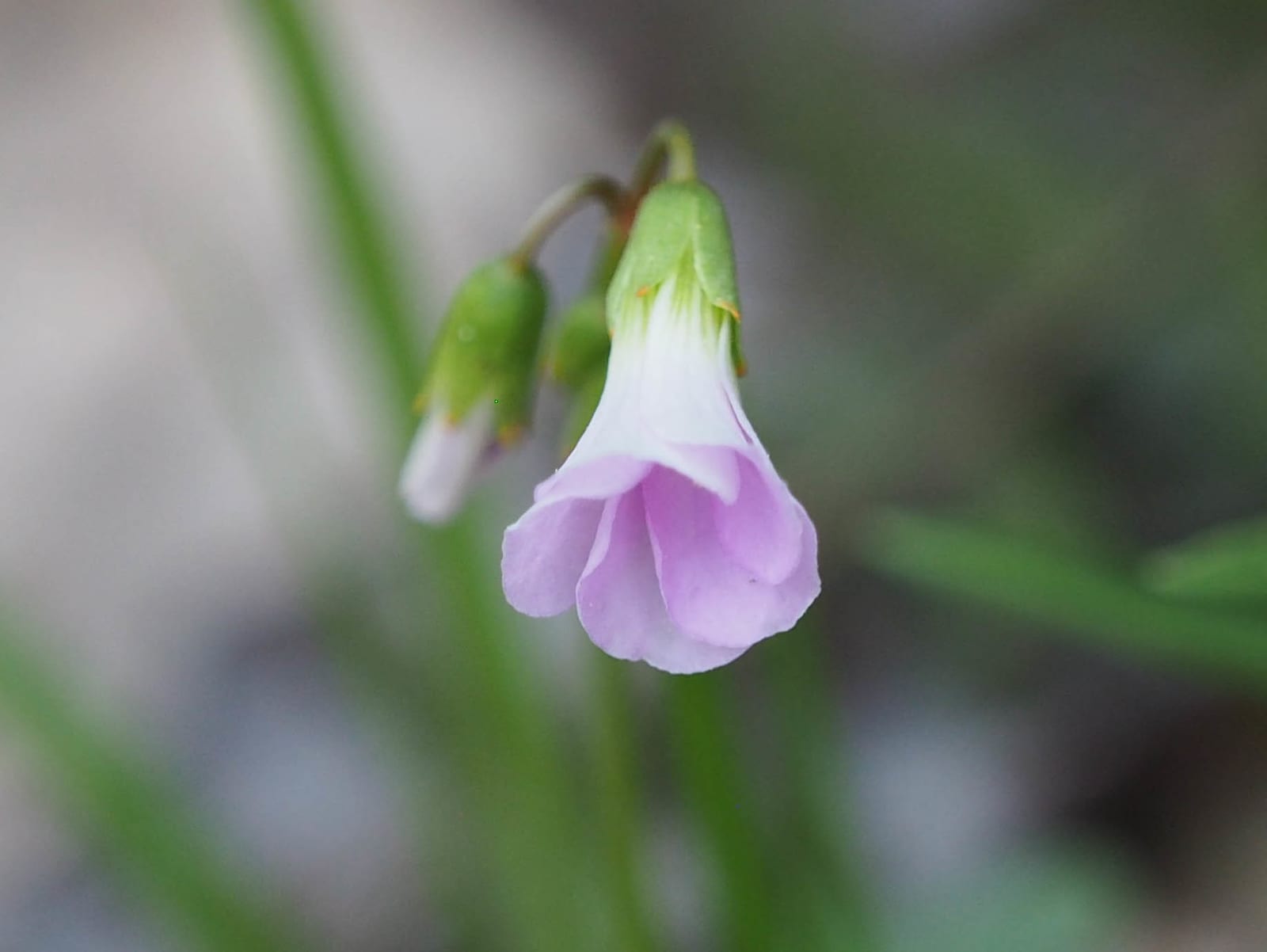
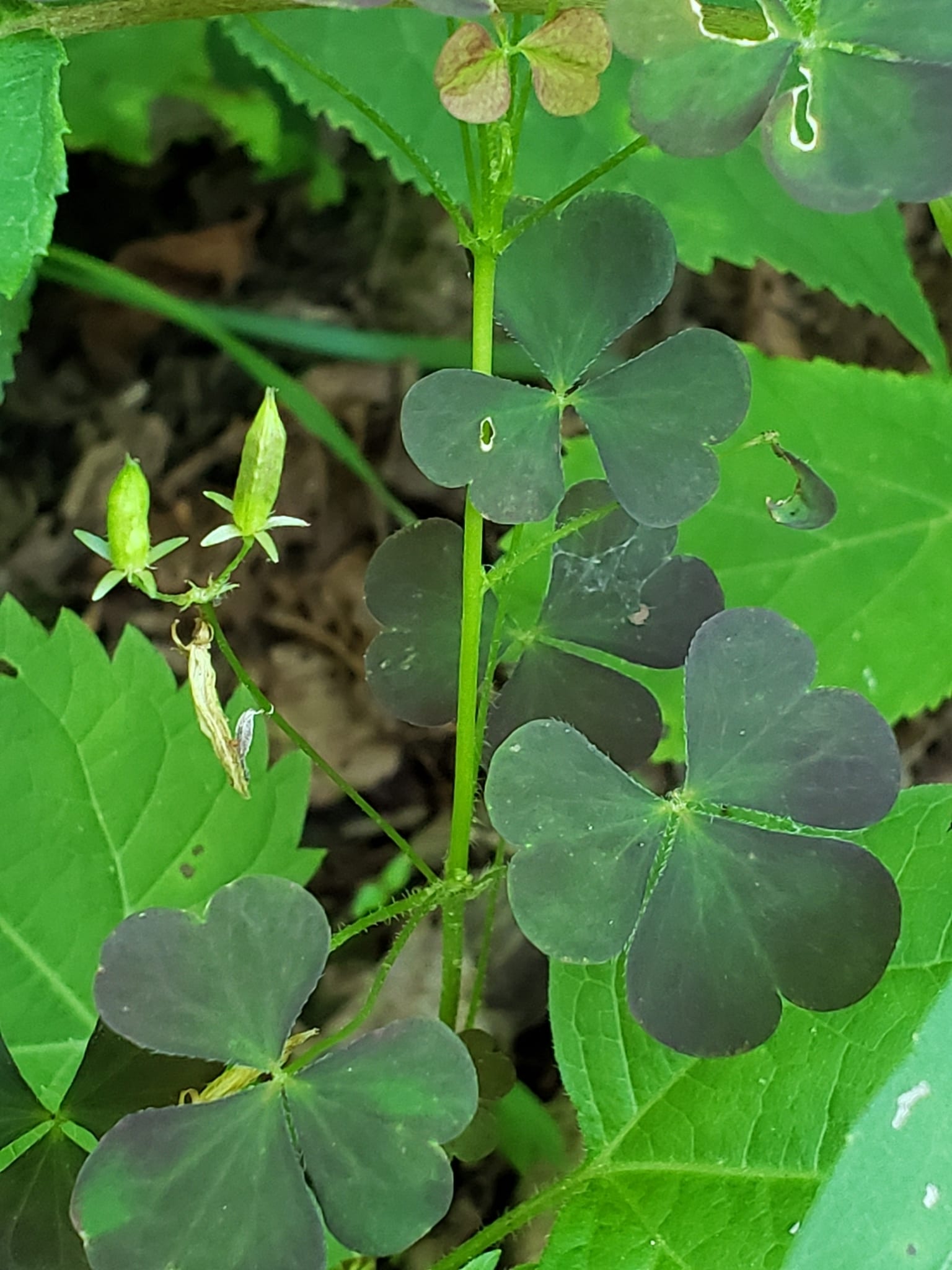
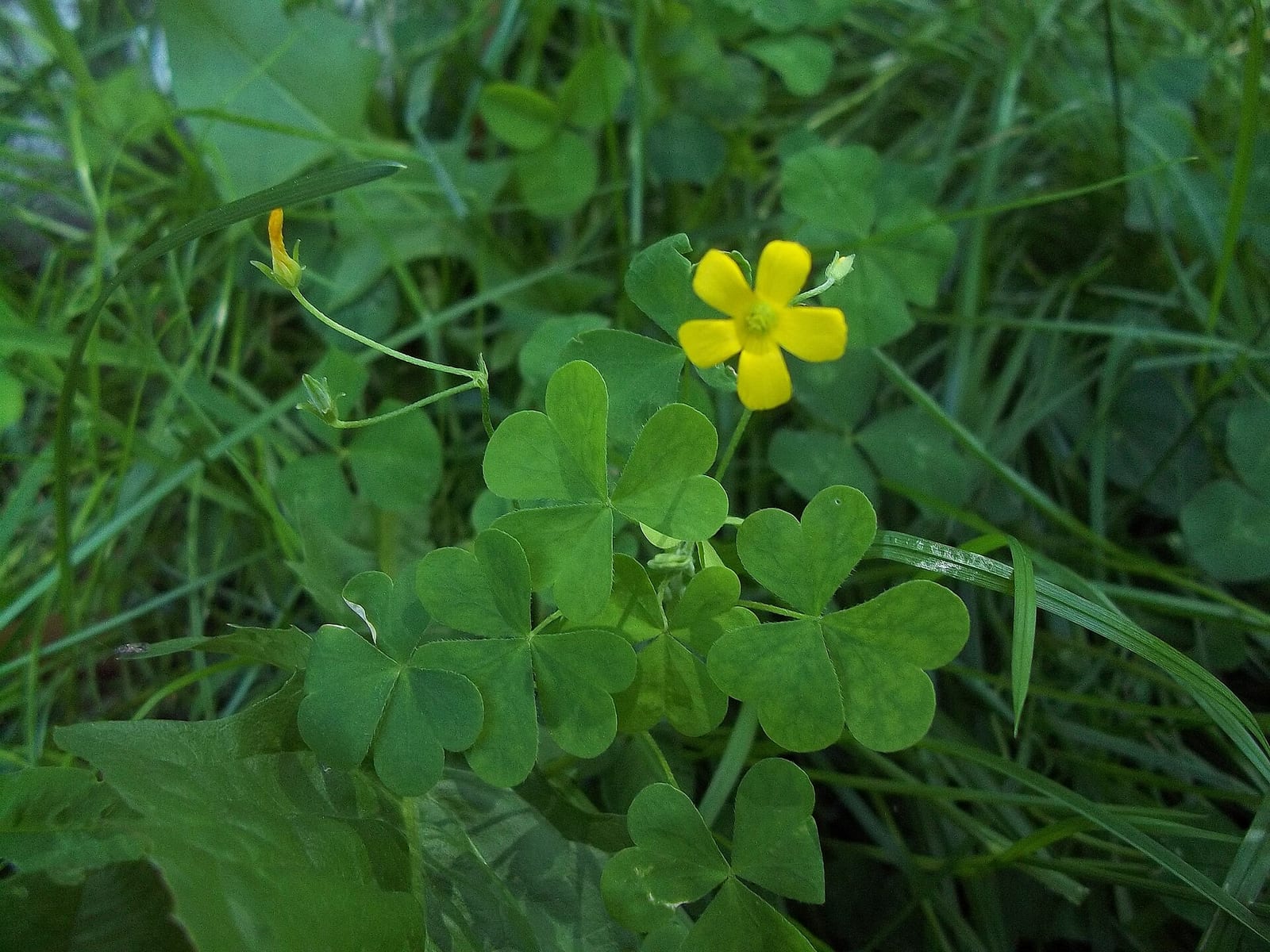
Confirm EVERY point before you eat it
0 of 4 confirmed. If any point does not match, it is not this plant.
Look-alikes to rule out
- CloverHarmless
Round-oval leaflets with a pale chevron marking that do not fold down at night, and no sour taste. Also edible, but clover carries a vitamin K (blood-thinner) caution instead of the oxalate one.
Warnings
- Contains oxalic acid. Eat in moderation, and avoid large amounts if you are prone to kidney stones.
In season
April, May, June, July, August, September
Growing season through frost.
Habitat
Parts used
Preparation and use
Harvest note
Educational reference only. Never eat a wild plant or mushroom based on a website or app. Confirm with an experienced forager, your local extension office, or a mycological club. Poison Control (US): 1-800-222-1222. Call 911 for severe symptoms.