Mushrooms
Mushrooms: Mushroom misidentification can be fatal. Cook all wild mushrooms and try a small amount first.
MushroomsCaution

Chanterelles

Cantharellus spp.

Also called: golden chanterelle, red chanterelle, smooth chanterelle

Vase-shaped, fruity-smelling mushrooms with blunt false gills. Look-alikes cause serious illness.
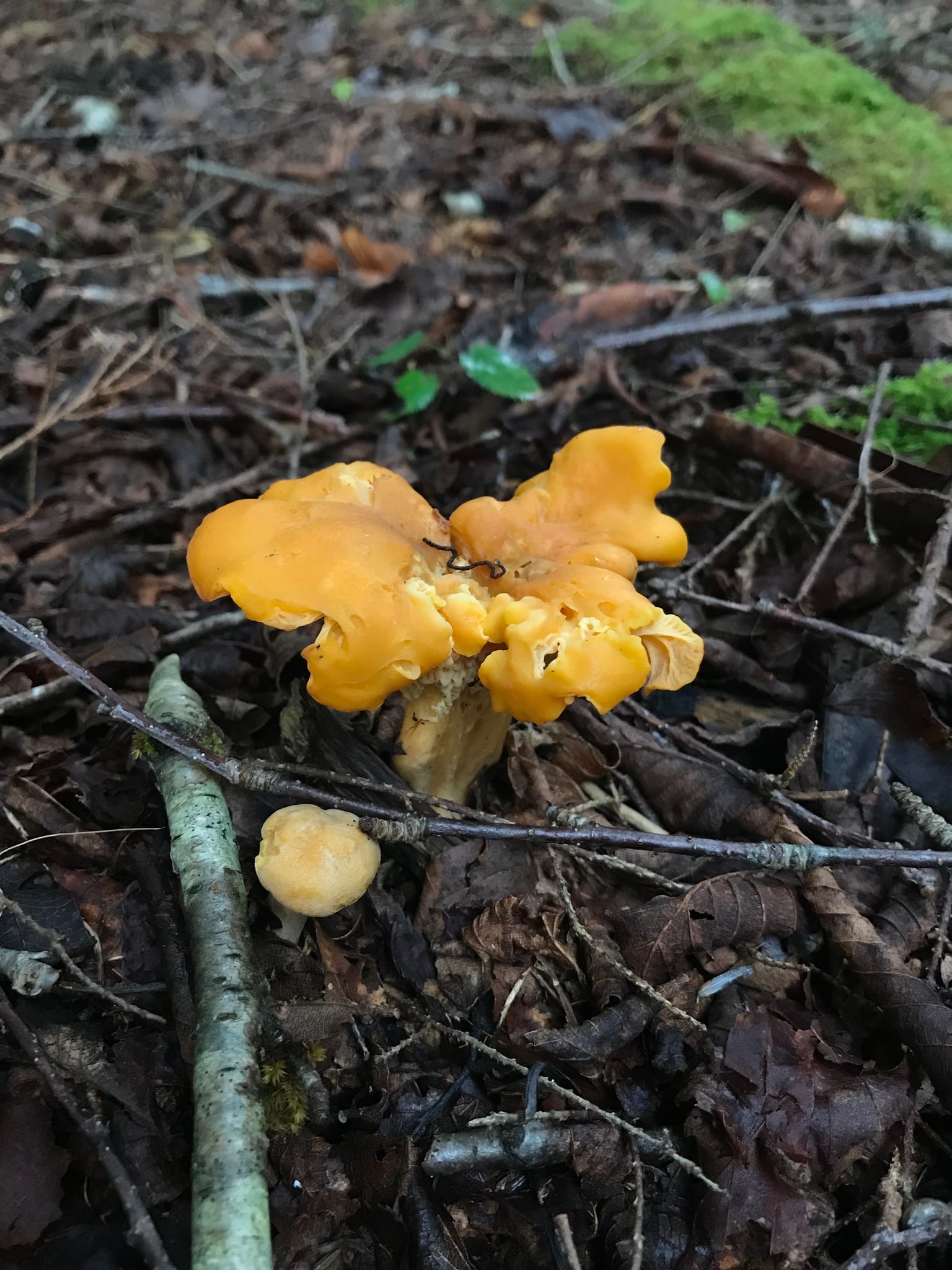
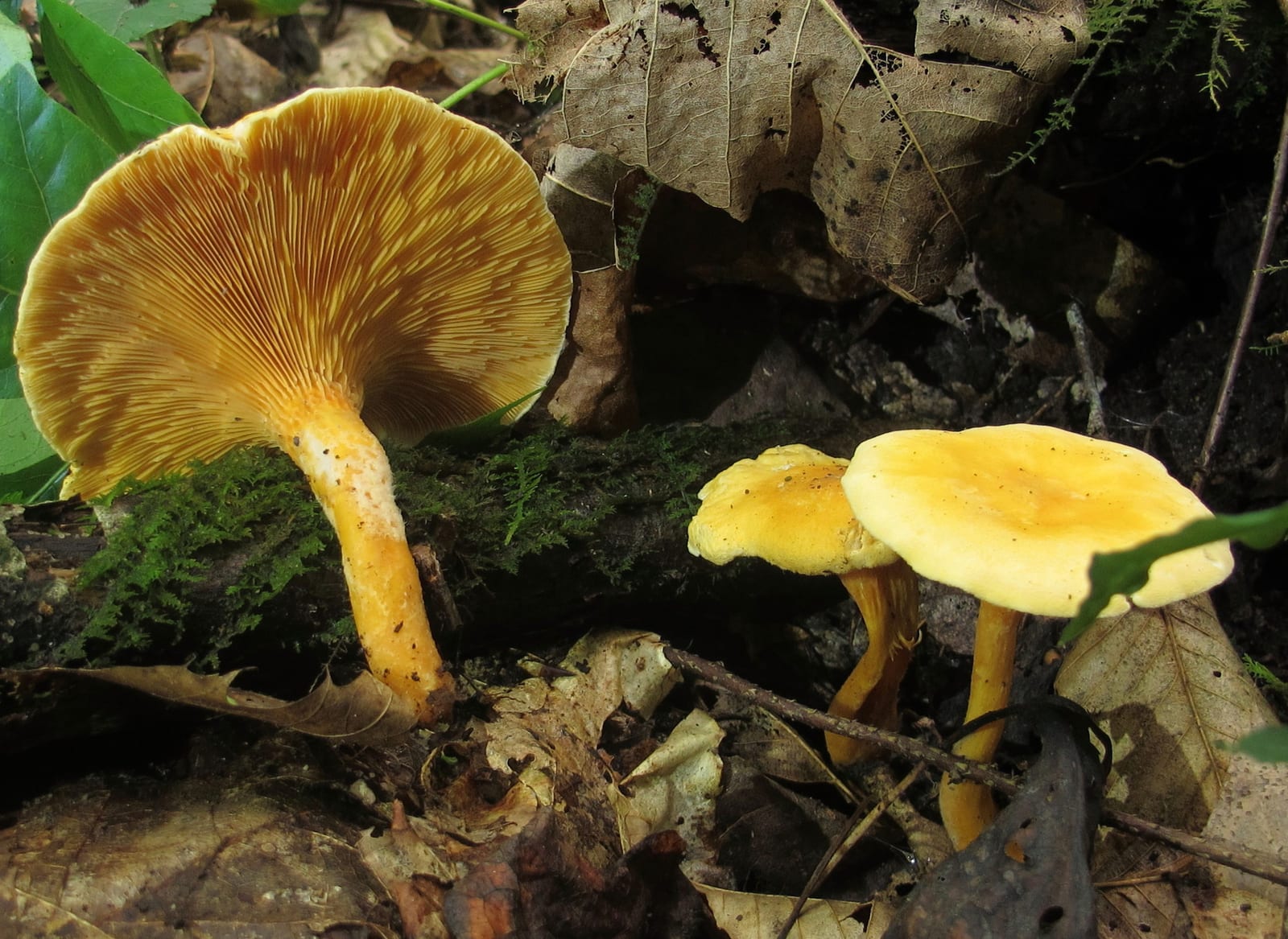
Chanterelles: Whole plant
Whole plantPhoto: Sarah Culliton · CC BY · source
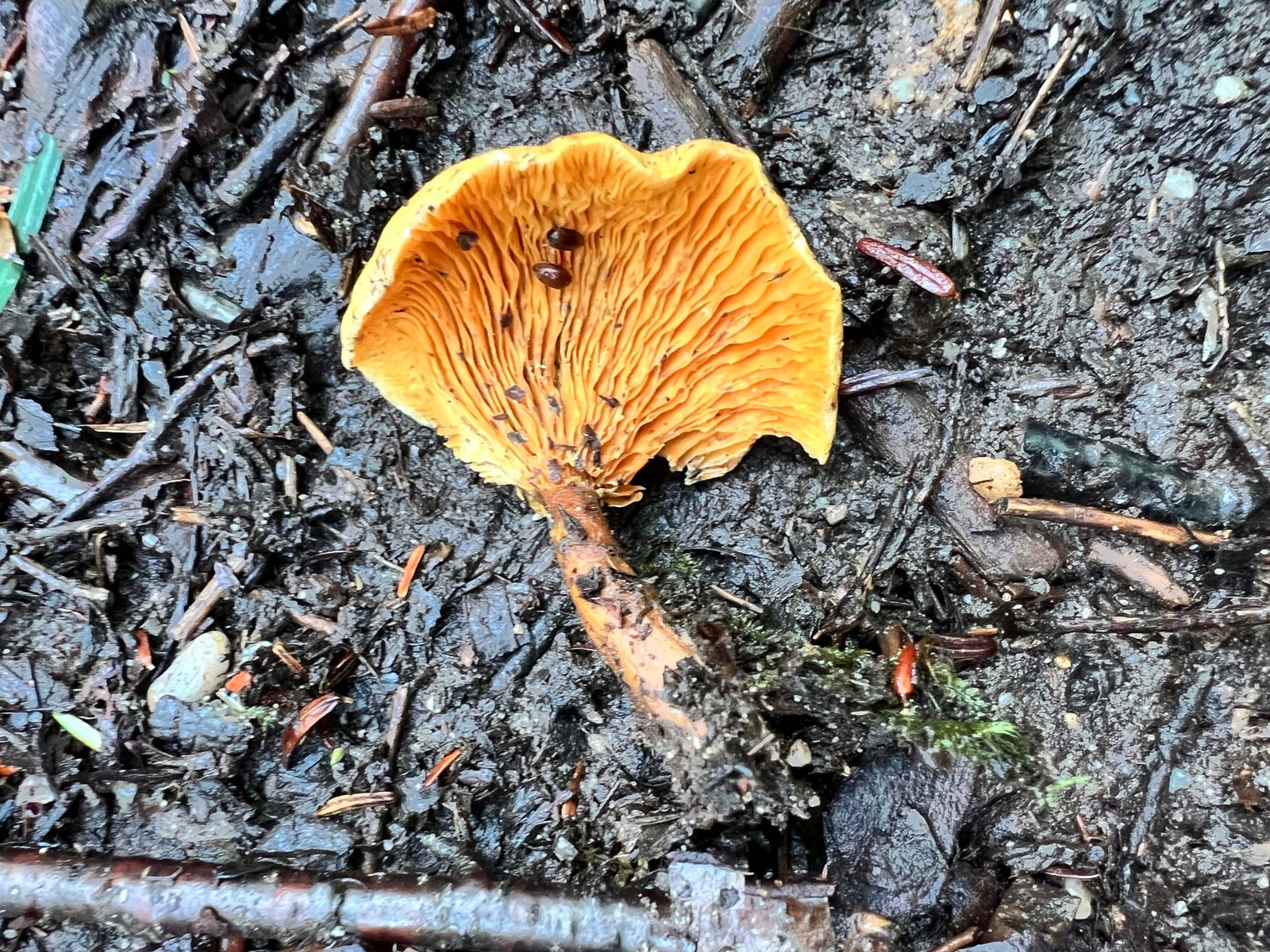
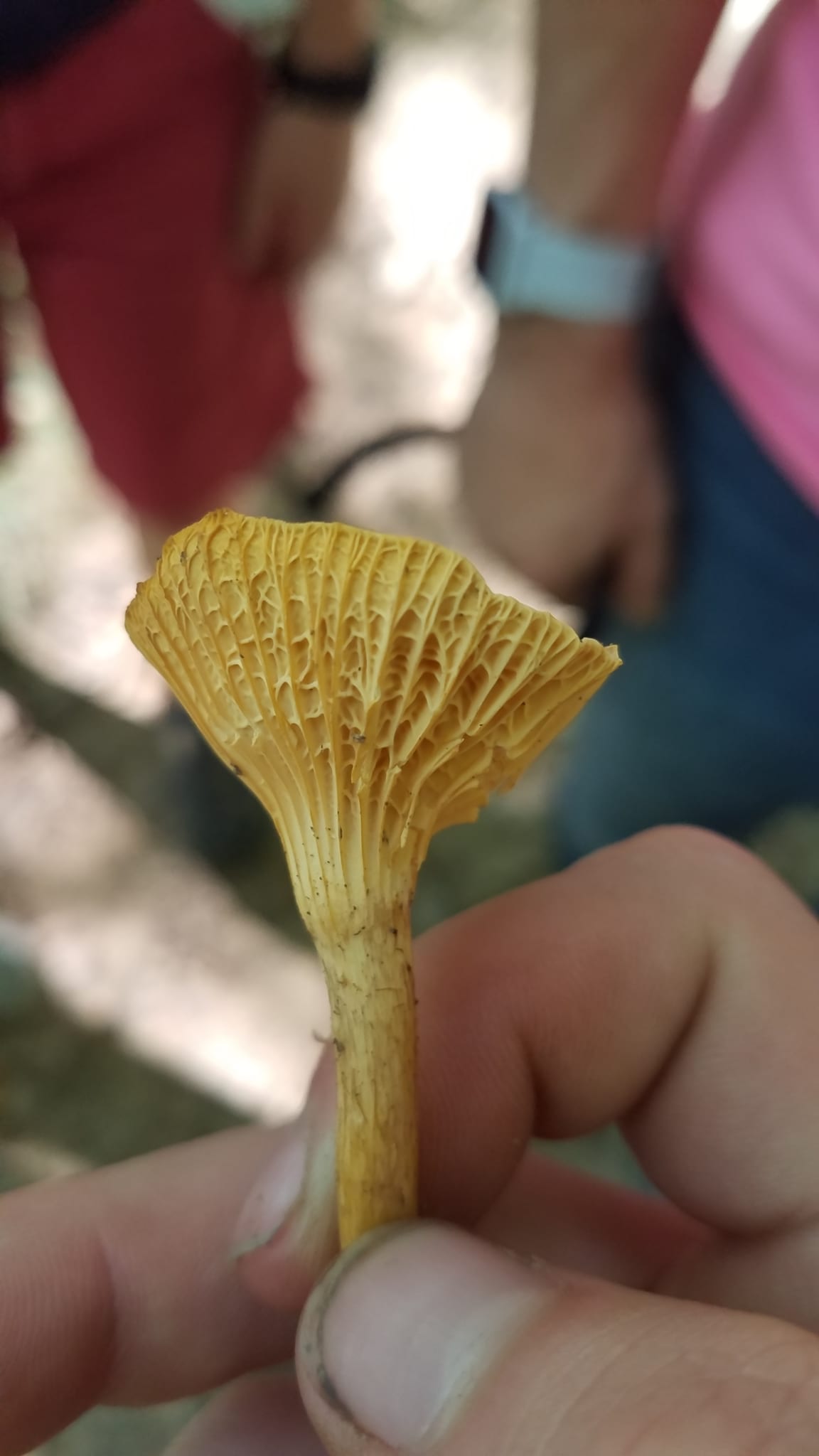
Chanterelles: Underside. Underside: forking, blunt ridges rather than blade-like gills
UndersideUnderside: forking, blunt ridges rather than blade-like gillsPhoto: Daniel Beevers · CC BY · source
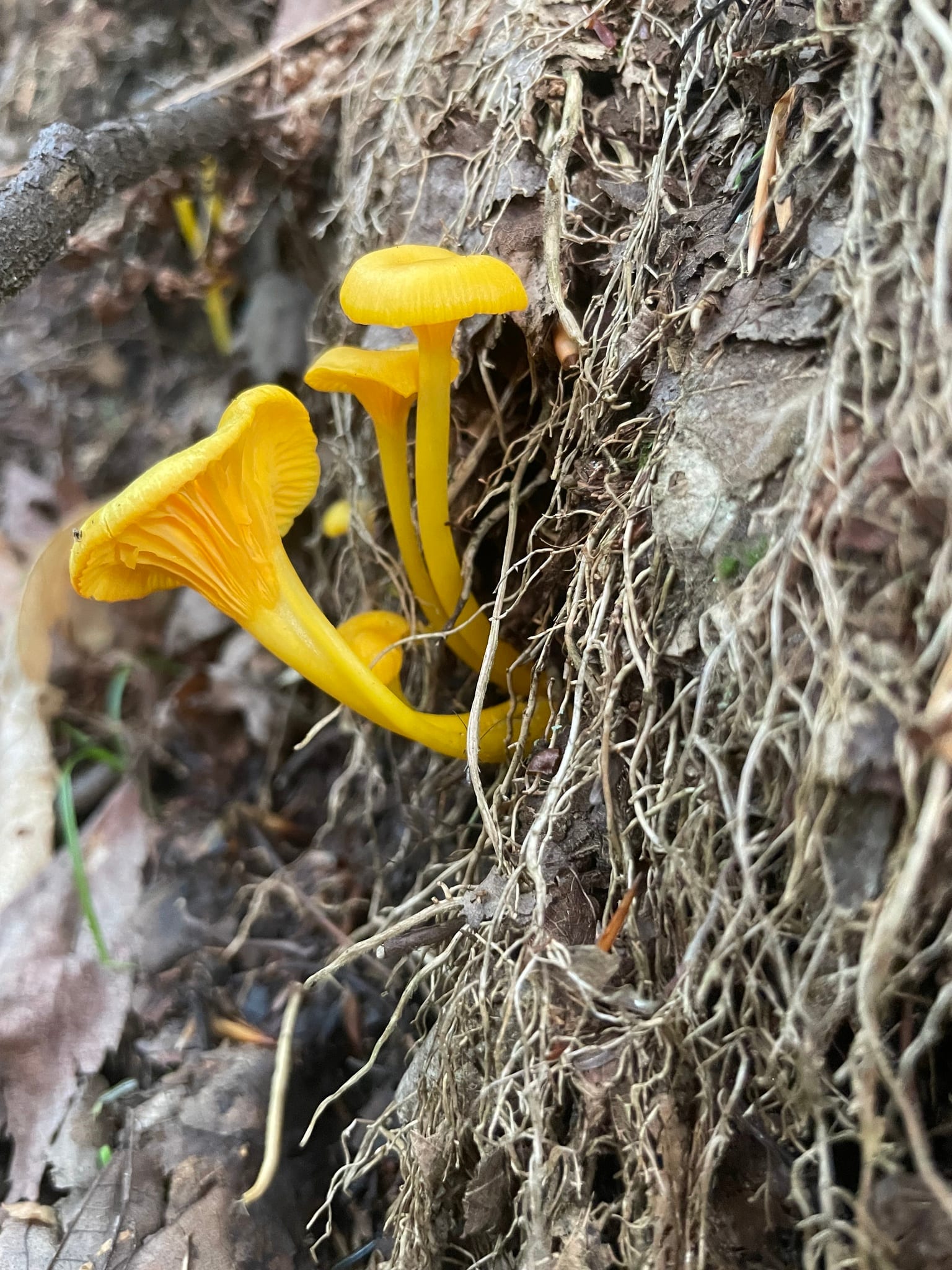
Chanterelles: Whole plant
Whole plantPhoto: Matthew Rozanoff · CC BY · source
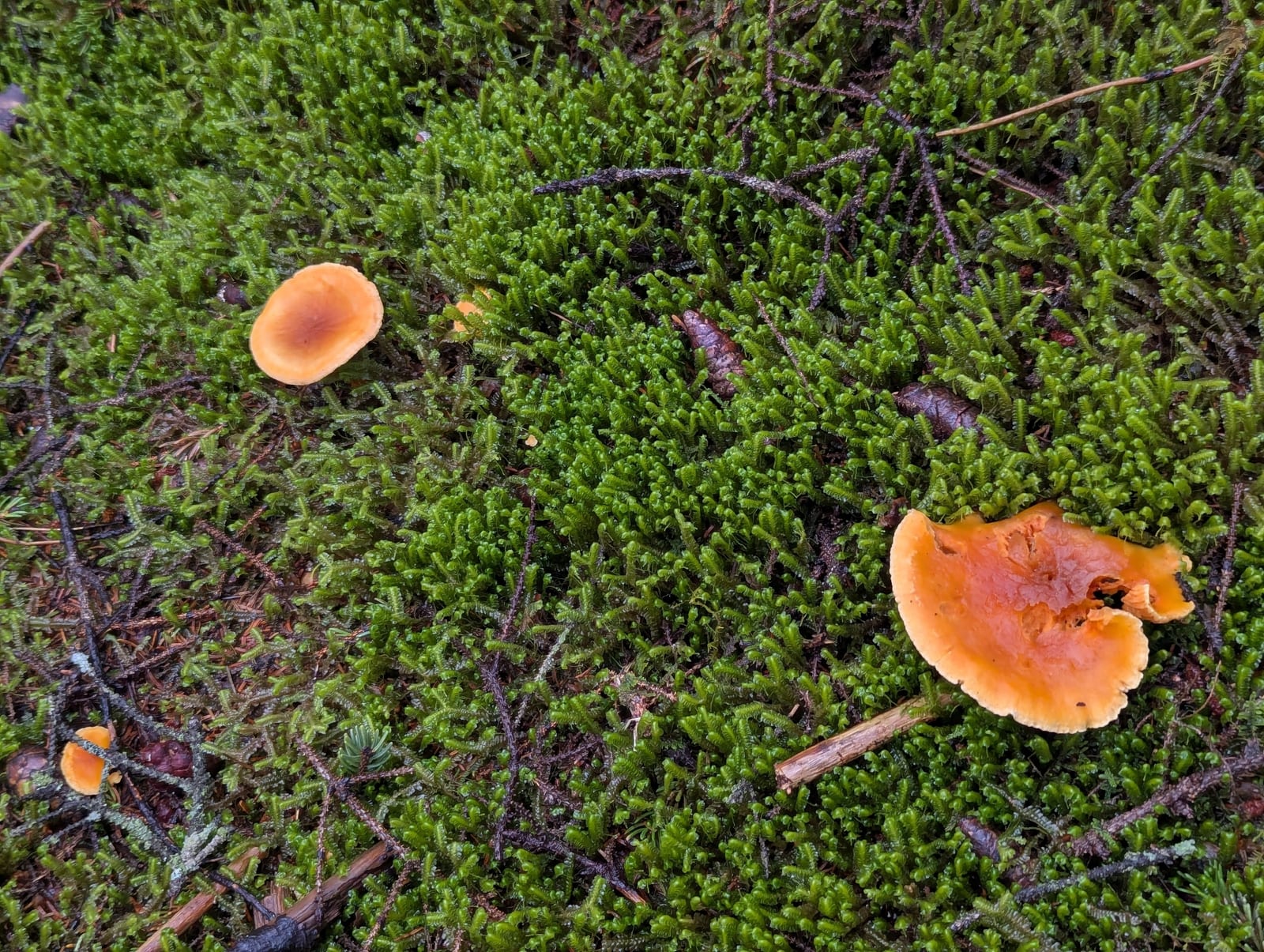
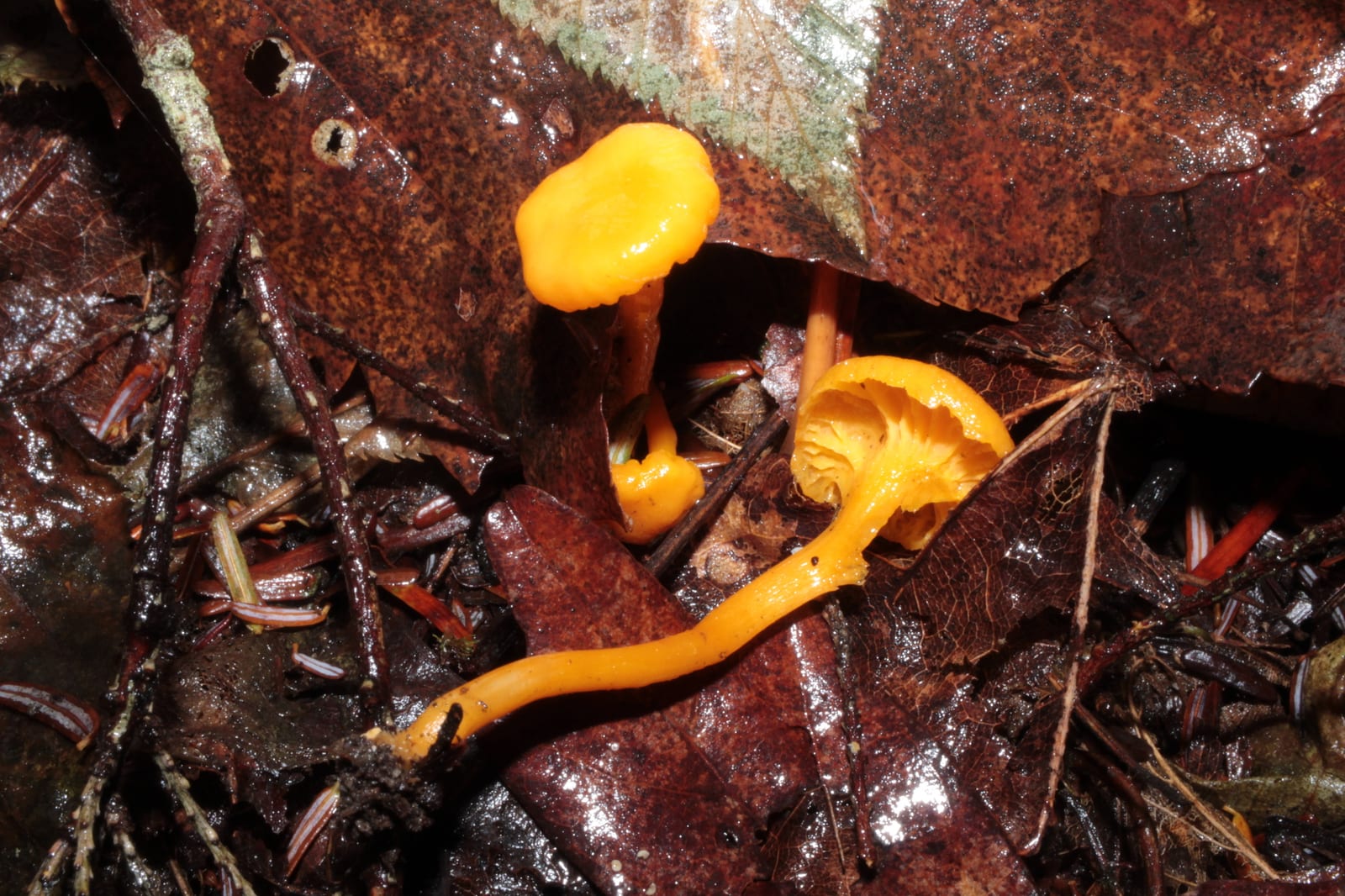
Chanterelles: Whole plant
Whole plantPhoto: Zinnia Xu · CC0 · source
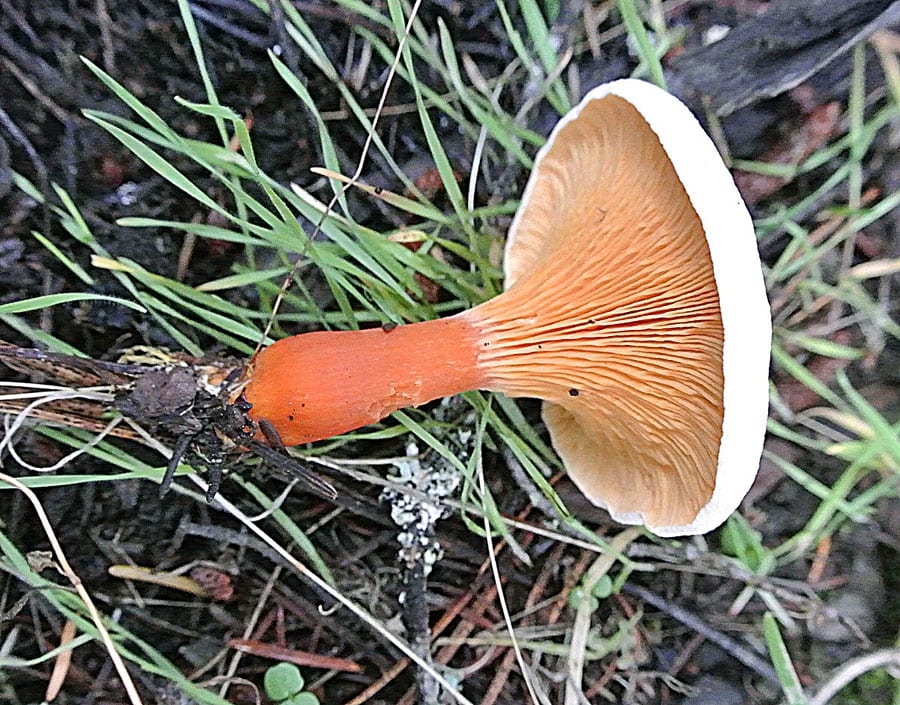
Chanterelles: Look-alike side by side. False chanterelle (Hygrophoropsis aurantiaca), a toxic look-alike
Look-alike side by sideFalse chanterelle (Hygrophoropsis aurantiaca), a toxic look-alikePhoto: Annie Weissman · CC BY · source
Chanterelles: Look-alike side by side. False chanterelle (Hygrophoropsis aurantiaca), a toxic look-alike
Look-alike side by sideFalse chanterelle (Hygrophoropsis aurantiaca), a toxic look-alikePhoto: Drew Palmer · CC BY · source
Chanterelles: Look-alike side by side. False chanterelle (Hygrophoropsis aurantiaca), a toxic look-alike
Look-alike side by sideFalse chanterelle (Hygrophoropsis aurantiaca), a toxic look-alikePhoto: mycowalt · CC BY-SA · source
Chanterelles: Look-alike side by side. False chanterelle (Hygrophoropsis aurantiaca), a toxic look-alike
Look-alike side by sideFalse chanterelle (Hygrophoropsis aurantiaca), a toxic look-alikePhoto: Dick Culbert from Gibsons, B.C., Canada · CC BY 2.0 · source

Confirm EVERY point before you eat it

0 of 5 confirmed. If any point does not match, it is not this plant.

Look-alikes to rule out

  • Jack-o'-lanternToxic

    True, sharp gills; tight clusters fused at the base on wood or buried roots; flesh orange throughout.

    See the card →
  • False chanterelleToxic

    Thin, crowded true gills that fork repeatedly; thinner and less fleshy; grows on or near conifer wood and does not form dense clusters.

Warnings

  • Cook thoroughly and try a small portion first.

In season

June, July, August, September

Fruits after summer rains.

Habitat

On soil beneath hardwoods, especially oak and beech.

Parts used

whole mushroom

Preparation and use

Dry-saute to release water, then cook in butter or oil.

Harvest note

Cut at the base and leave the mycelium in place.

Field traits

Grows on
soil near hardwoods
Underside
blunt forked ridges
Spore print
white to pale yellow or cream
Backpack Guide: Chanterelle — Positive ID

Educational reference only. Never eat a wild plant or mushroom based on a website or app. Confirm with an experienced forager, your local extension office, or a mycological club. Poison Control (US): 1-800-222-1222. Call 911 for severe symptoms.