Mushrooms
Mushrooms: Mushroom misidentification can be fatal. Cook all wild mushrooms and try a small amount first.
MushroomsCaution

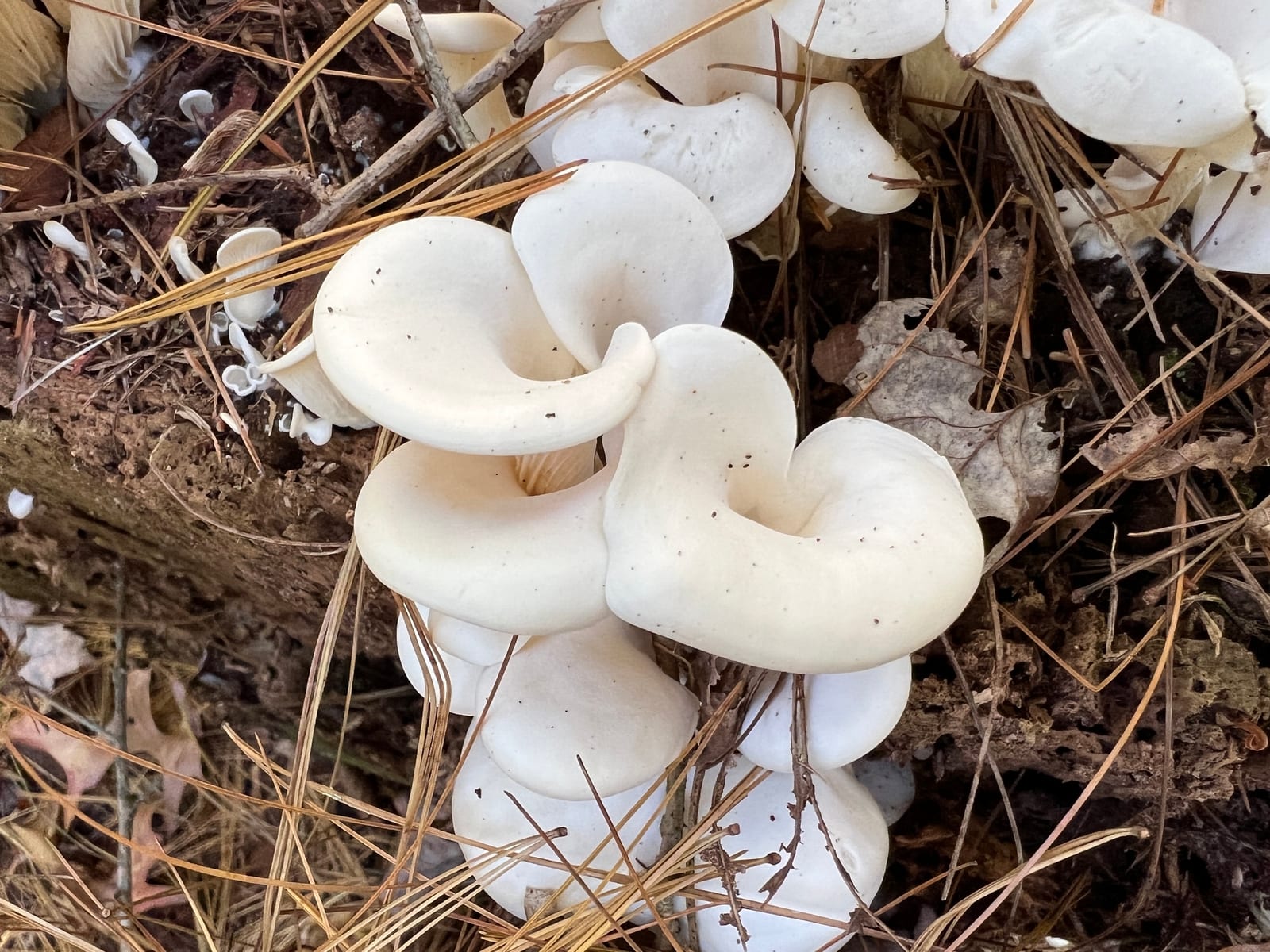
Oyster mushroom

Pleurotus ostreatus / P. pulmonarius

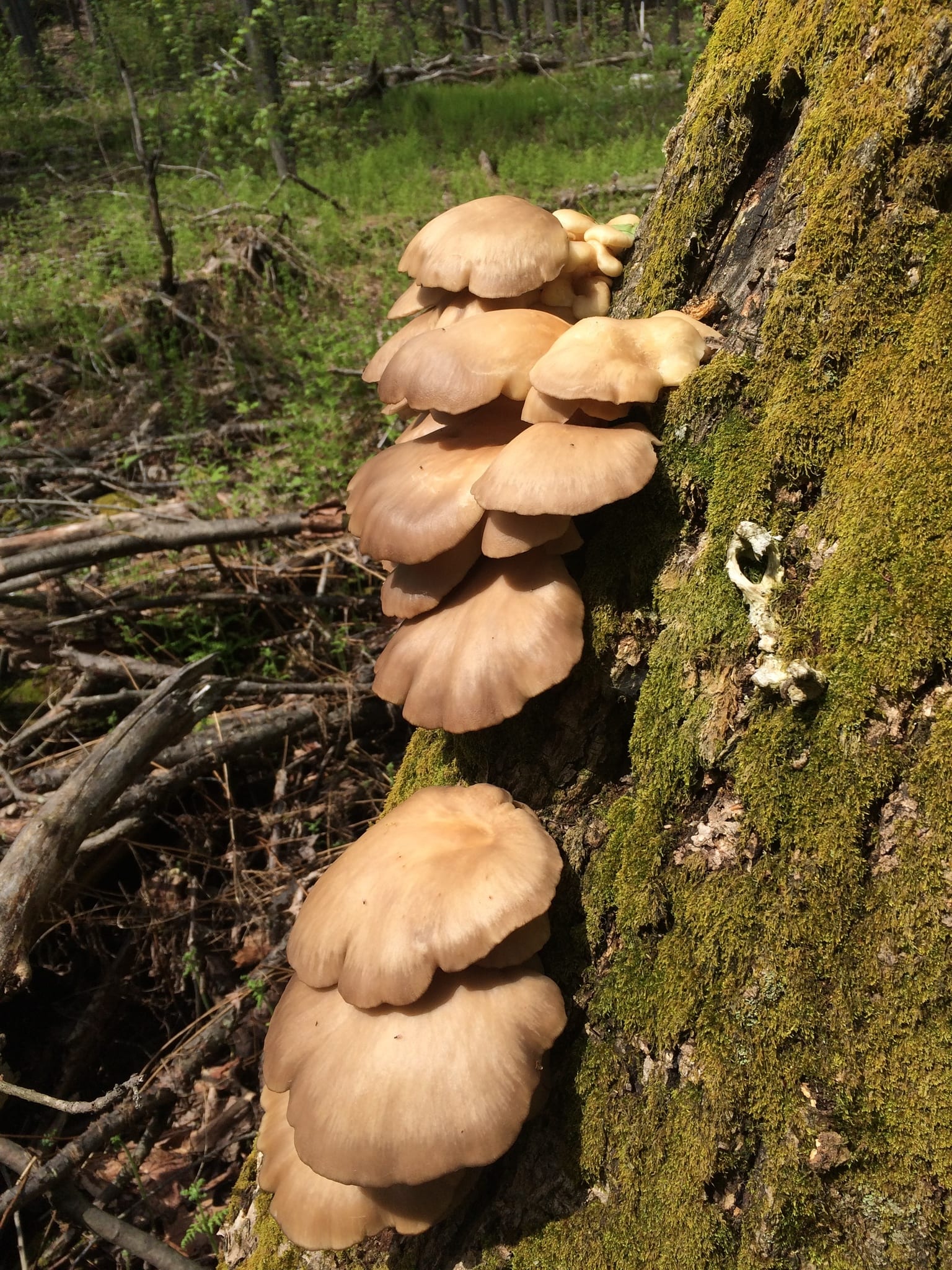
Shelf-like, gray-tan mushrooms with gills running down to the wood. Must be separated from a few look-alikes.
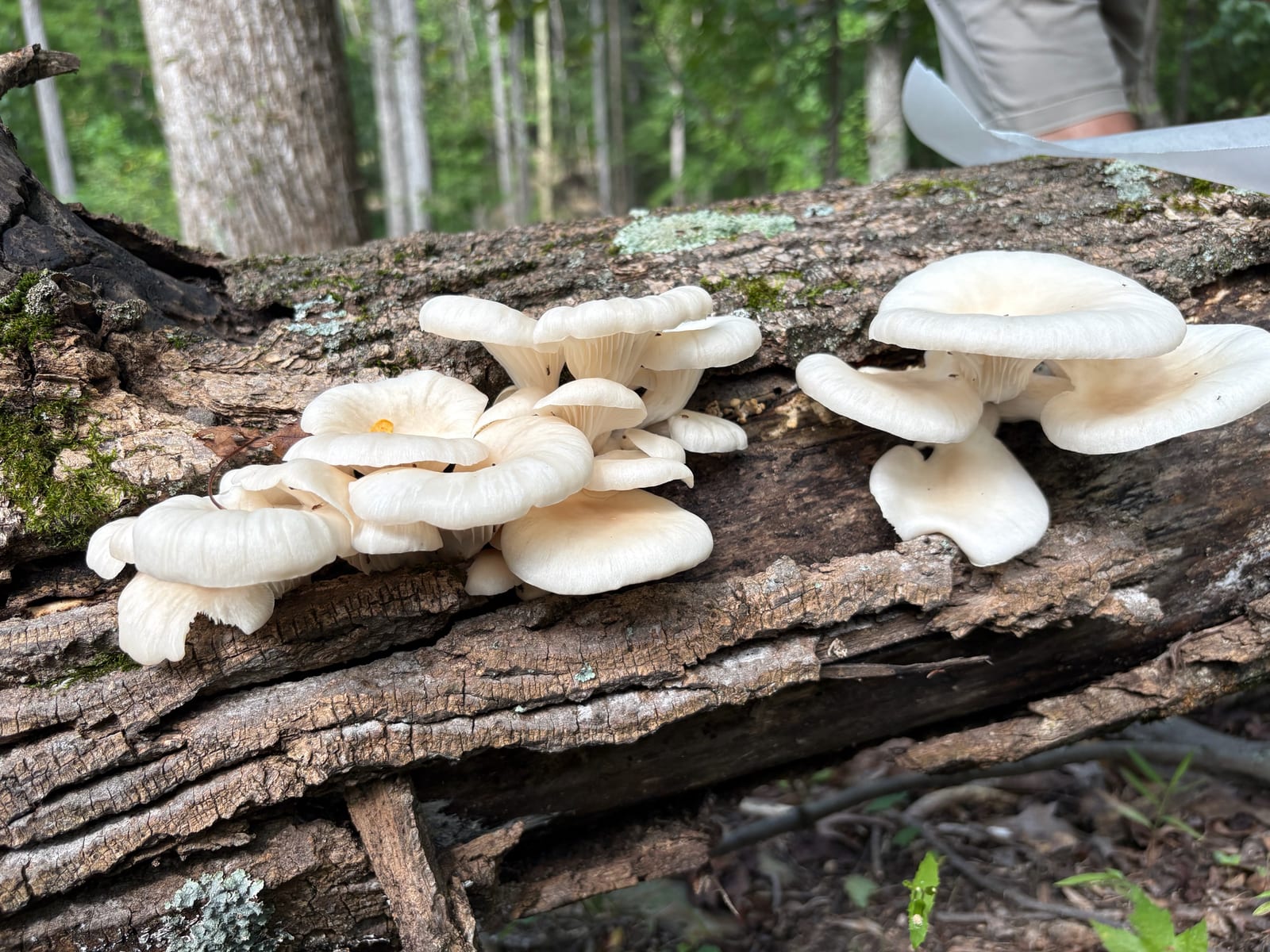
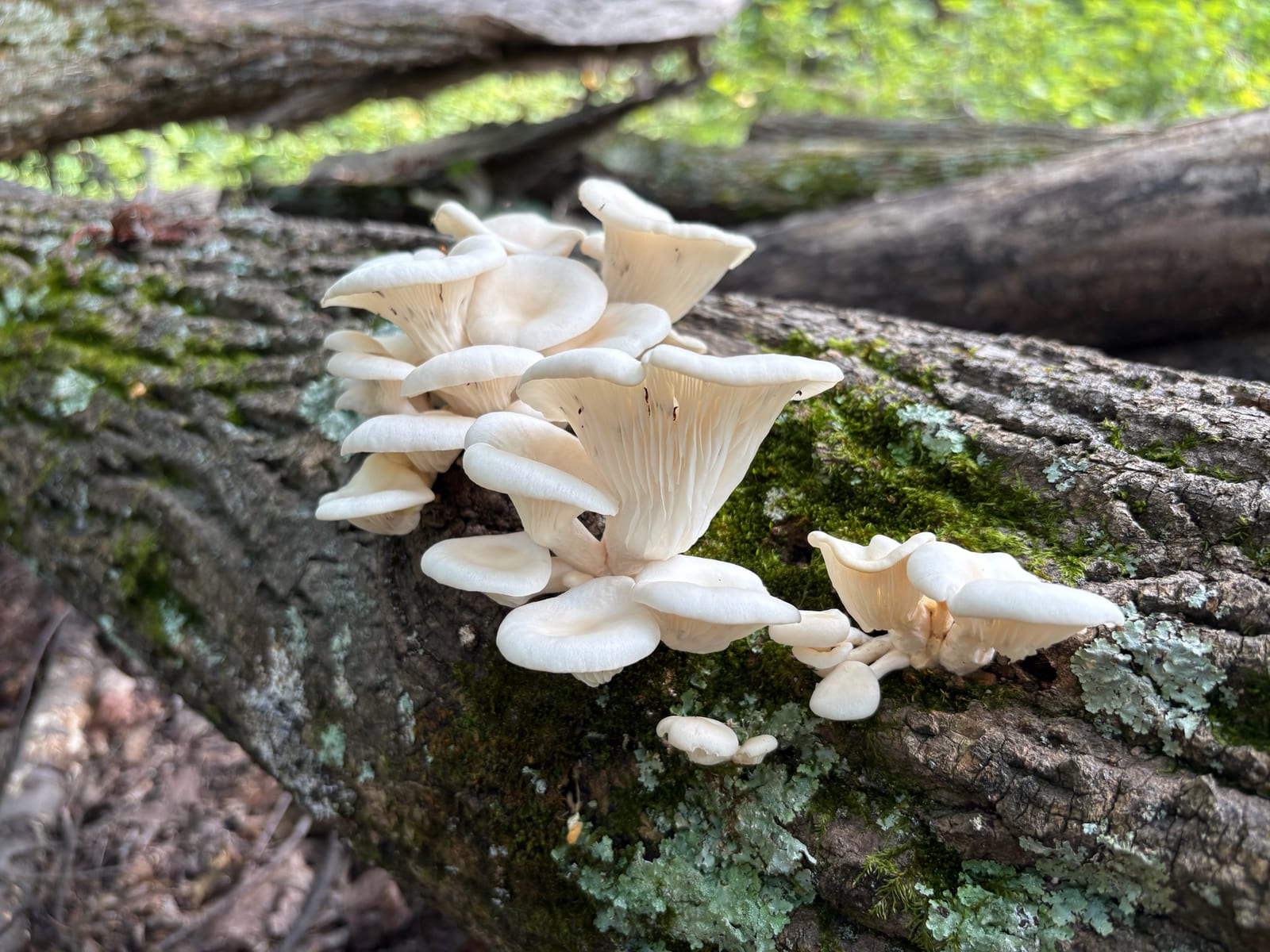
Oyster mushroom: Whole plant
Whole plantPhoto: John S Harper · CC0 · source
Oyster mushroom: Whole plant
Whole plantPhoto: John S Harper · CC0 · source
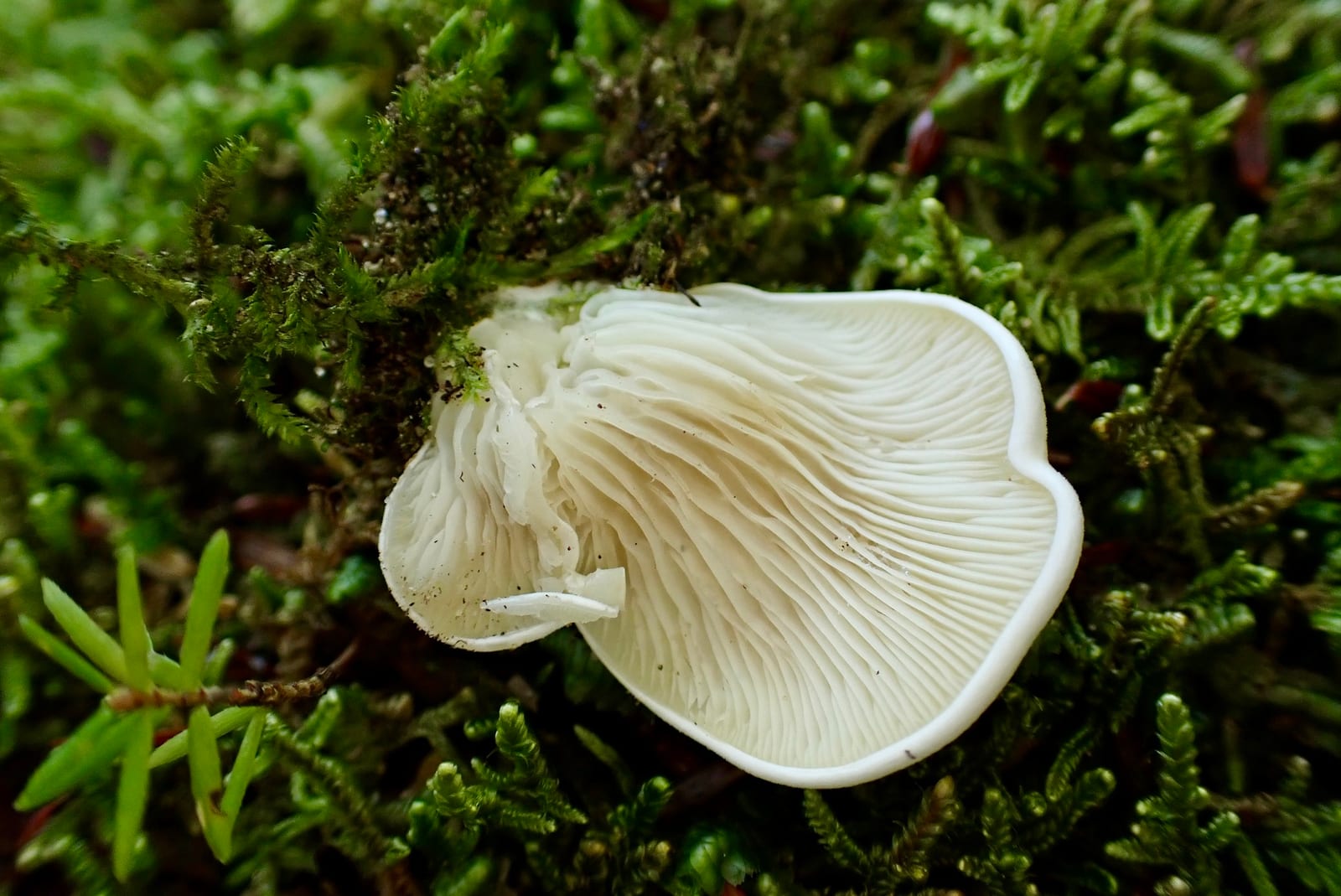
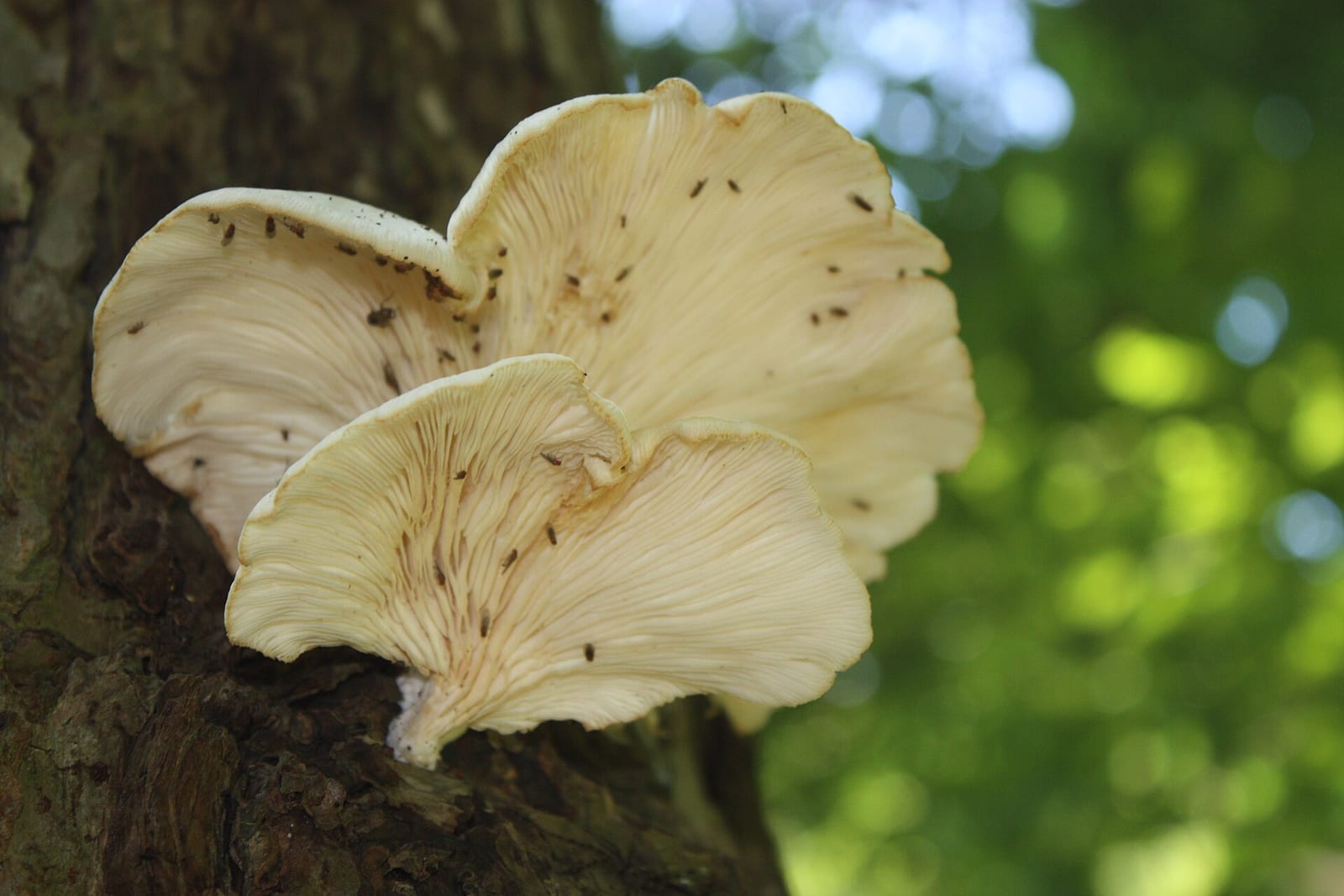
Oyster mushroom: Underside
UndersidePhoto: Jeff · CC BY · source
Oyster mushroom: Underside
UndersidePhoto: Richard Jacob · CC BY · source
Oyster mushroom: Habitat
HabitatPhoto: Matt Berger · CC BY · source
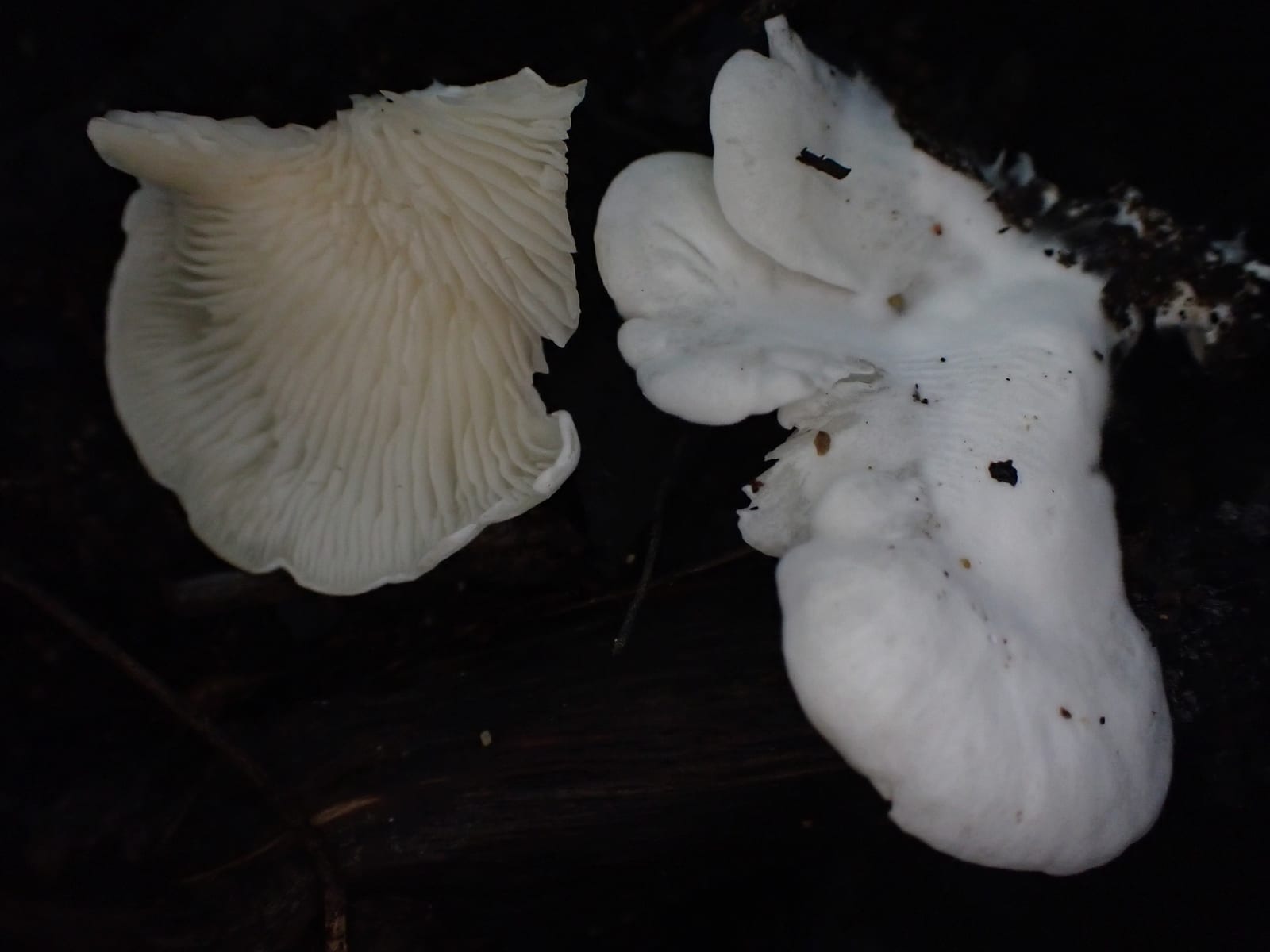
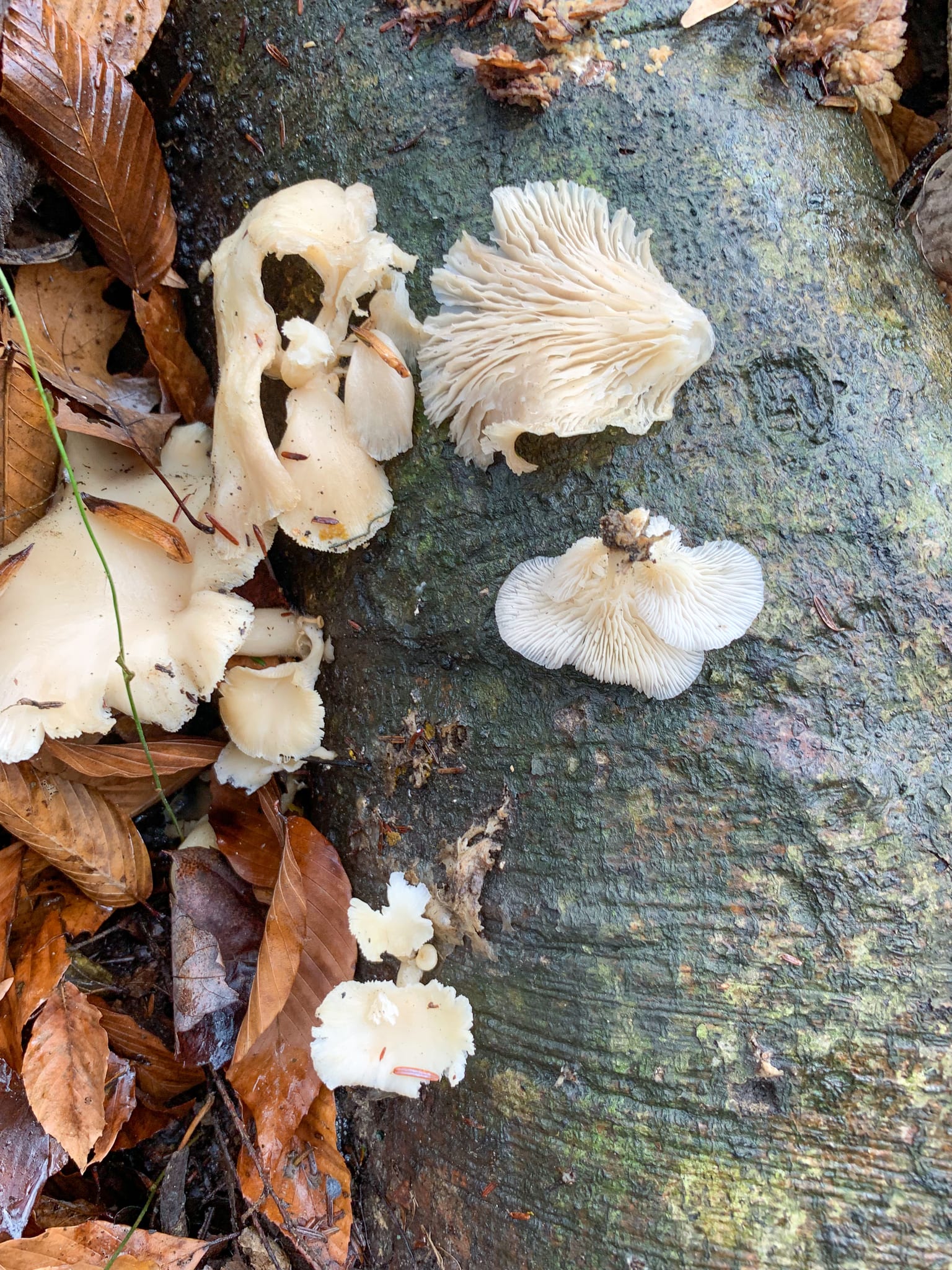
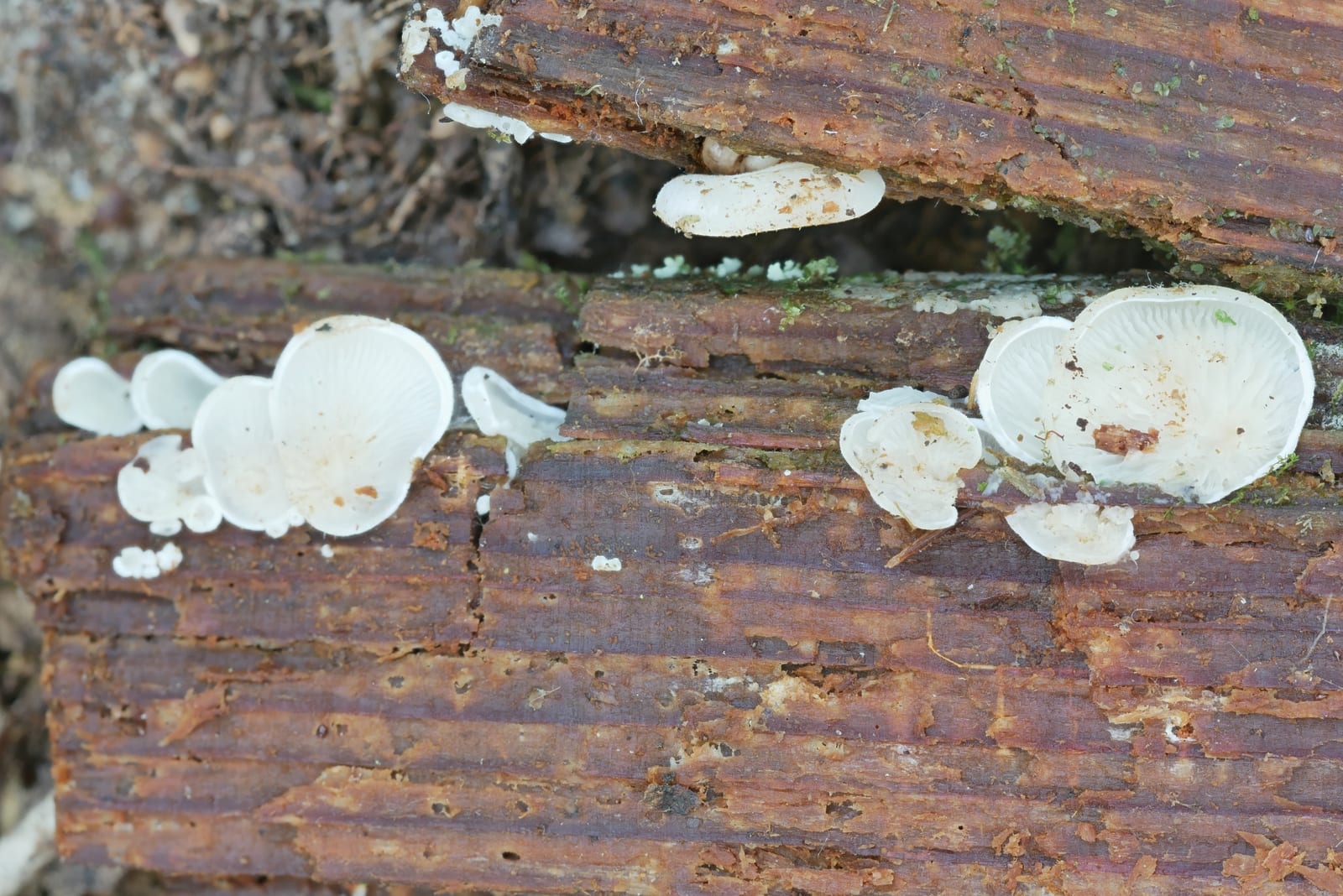
Oyster mushroom: Look-alike side by side. Angel wings (Pleurocybella porrigens), a toxic look-alike
Look-alike side by sideAngel wings (Pleurocybella porrigens), a toxic look-alikePhoto: Sigrid Jakob · CC0 · source
Oyster mushroom: Look-alike side by side. Angel wings (Pleurocybella porrigens), a toxic look-alike
Look-alike side by sideAngel wings (Pleurocybella porrigens), a toxic look-alikePhoto: Garrett Taylor · CC0 · source
Oyster mushroom: Look-alike side by side. Angel wings (Pleurocybella porrigens), a toxic look-alike
Look-alike side by sideAngel wings (Pleurocybella porrigens), a toxic look-alikePhoto: Zygy · CC0 · source
Oyster mushroom: Look-alike side by side. Angel wings (Pleurocybella porrigens), a toxic look-alike
Look-alike side by sideAngel wings (Pleurocybella porrigens), a toxic look-alikePhoto: Treetale · CC BY 3.0 · source

Confirm EVERY point before you eat it

0 of 4 confirmed. If any point does not match, it is not this plant.

Look-alikes to rule out

  • Jack-o'-lanternToxic

    Orange, blade-like gills, tight clusters, flesh orange throughout.

    See the card →
  • Angel wingsToxic

    Thin, white, grows on conifer wood; linked to serious poisoning. Avoid.

  • Bitter oysterHarmless

    Small, tan, tough and very bitter; not food.

Warnings

  • Cook thoroughly and try a small portion first.

In season

April, May, September, October, November, December

Cool, damp weather; fall to early winter and again in spring.

Habitat

Dead or dying hardwood such as beech, maple, poplar.

Parts used

caps

Preparation and use

Saute, roast or add to soups.

Harvest note

Leave old or bug-riddled clusters.

Field traits

Grows on
dead hardwood
Underside
decurrent gills
Spore print
white to lilac-gray
Backpack Guide: Oyster Mushroom — Positive ID

Educational reference only. Never eat a wild plant or mushroom based on a website or app. Confirm with an experienced forager, your local extension office, or a mycological club. Poison Control (US): 1-800-222-1222. Call 911 for severe symptoms.