Sprouts & Seedlings
Elderberry sucker or cutting
Sambucus canadensis
One of the easiest wild plants to transplant: dig rooted suckers or take hardwood cuttings.
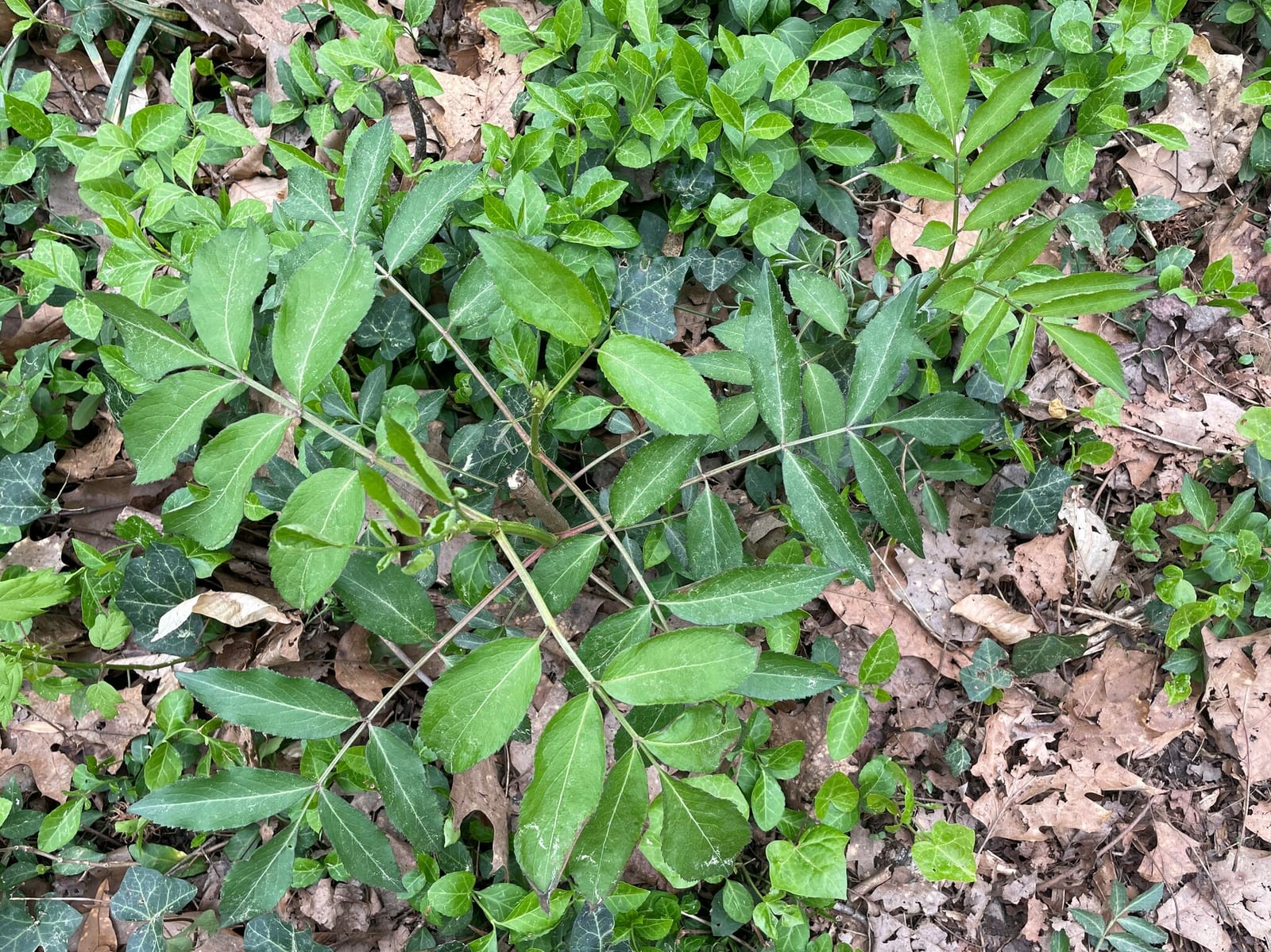
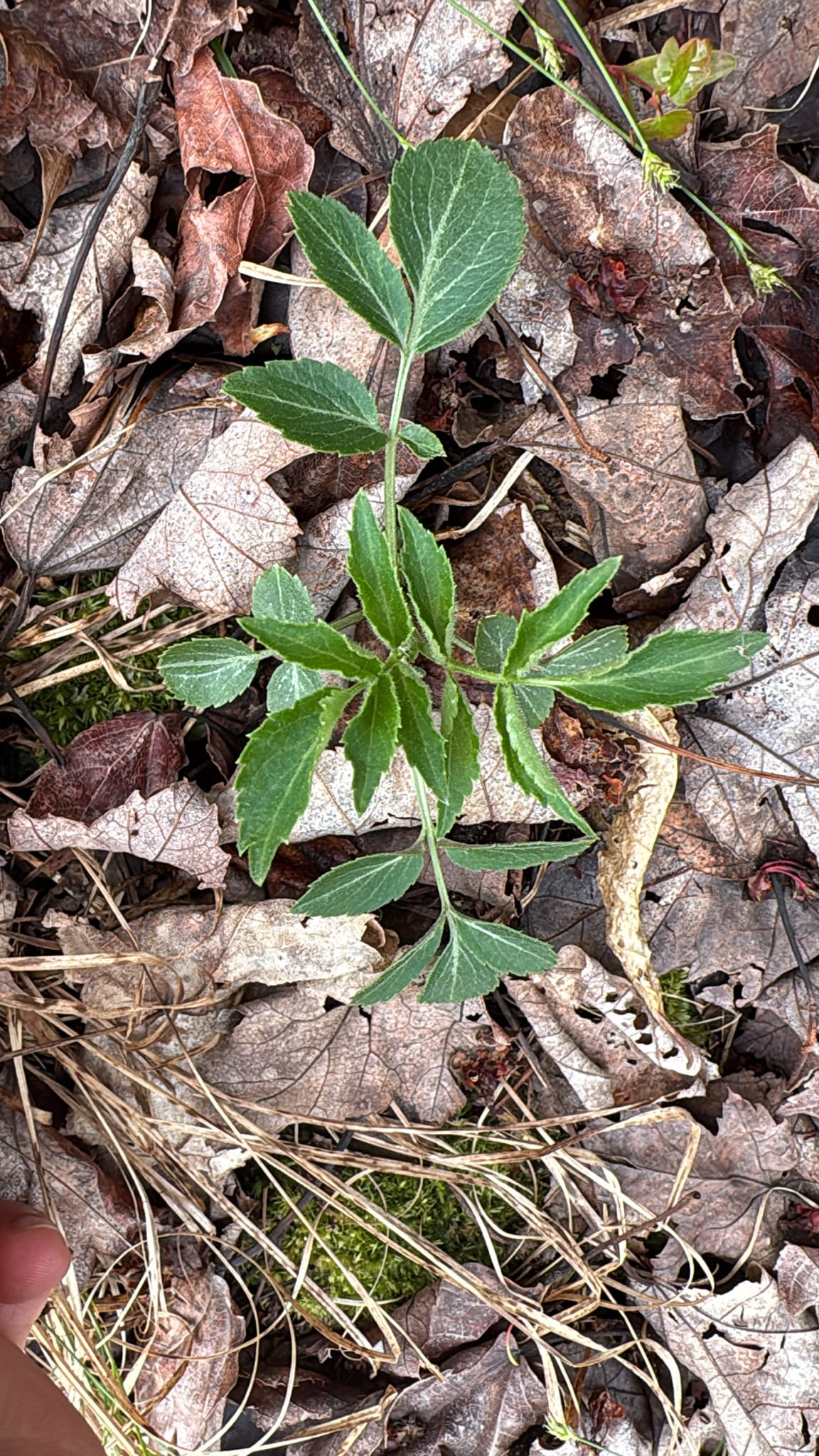
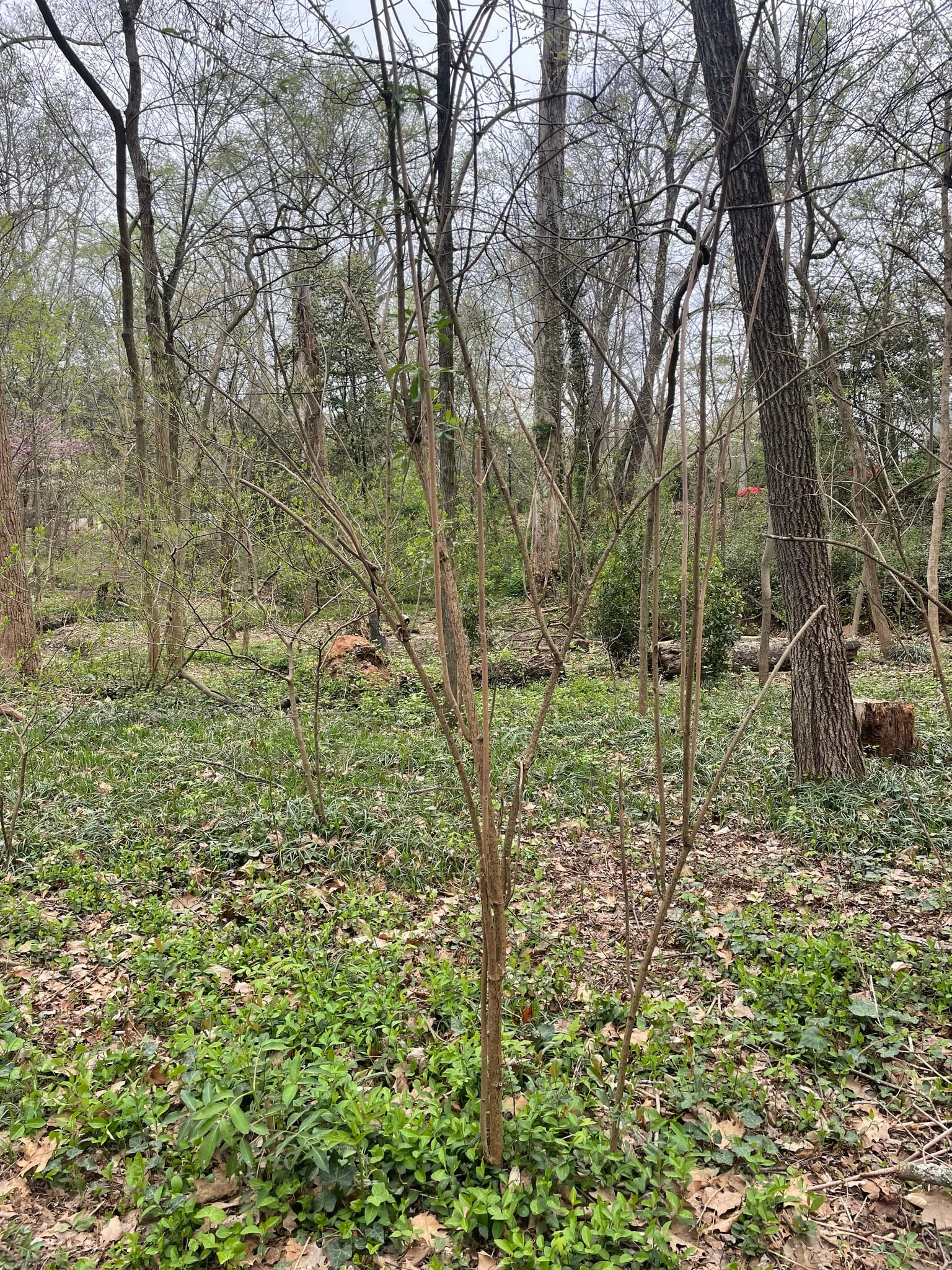
Confirm EVERY point before you move it
0 of 4 confirmed. If any point does not match, it is not this plant.
Look-alikes to rule out
- Water hemlockDeadly
Alternate leaves, hollow non-woody stem. Do not confuse in wet ground.
See the card →
Best time to move
January, February, March, November, December
Dormant season. Identify in leaf from spring to fall.
Habitat
Moist edges, ditches and stream banks.
Parts used
rooted sucker, hardwood cutting
Harvest note
Take from colonies; suckers are plentiful.
Transplanting
Best window
Late winter to early spring, dormant
Transplant shock risk
low
Root type
fibrous, suckering
Site
Full sun to part shade, moist soil
Method
Dig 8-12 in rooted suckers, or push pencil-thick 8-10 in hardwood cuttings into moist soil.
Notes
Two different plants improve fruit set.
Educational reference only. Never eat a wild plant or mushroom based on a website or app. Confirm with an experienced forager, your local extension office, or a mycological club. Poison Control (US): 1-800-222-1222. Call 911 for severe symptoms.