Elderberry
Sambucus canadensis
Also called: American elder
Multi-stemmed shrub with white flower umbels and dark berries. Berries must be cooked; look-alike umbels can be deadly.
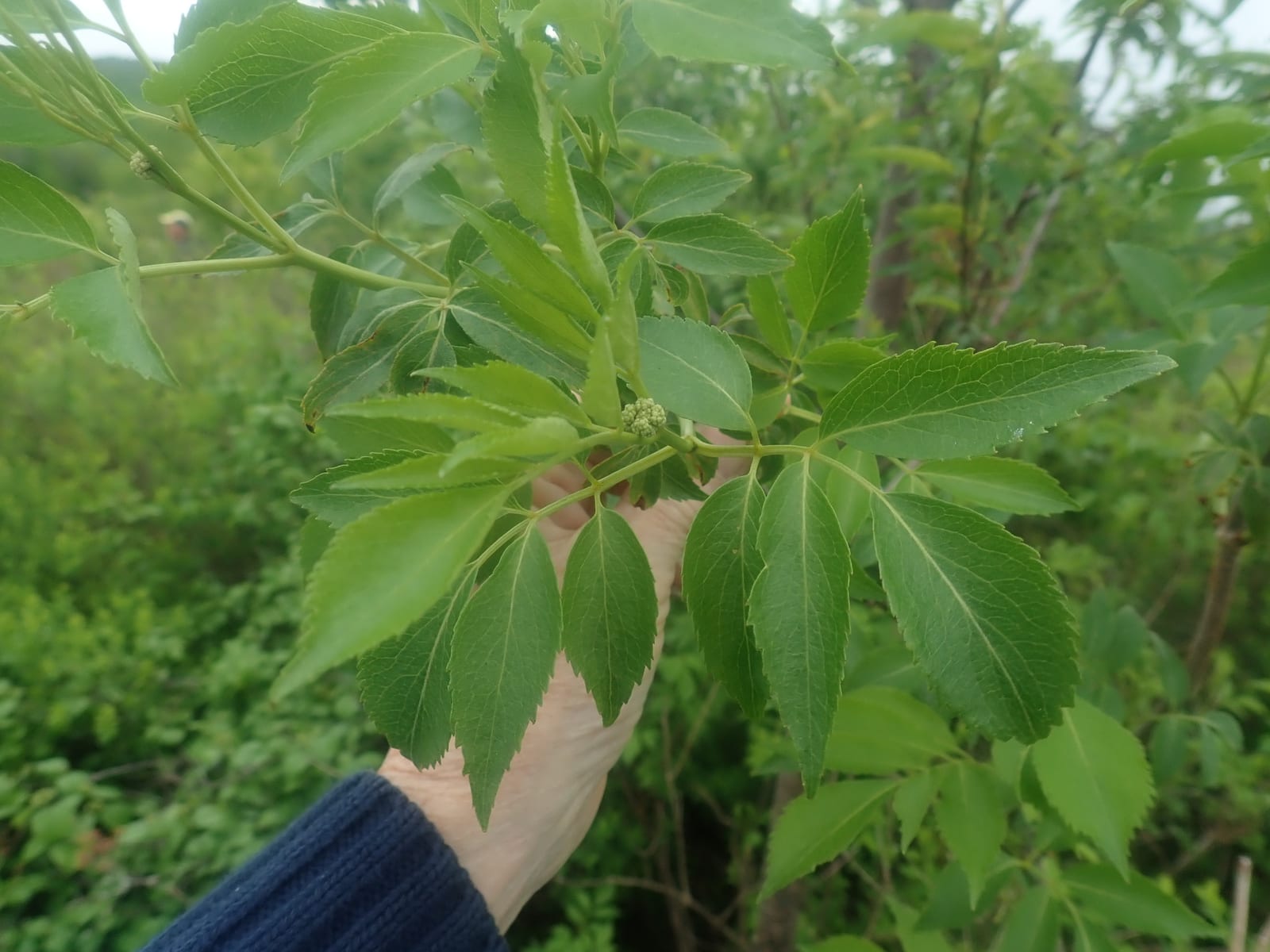
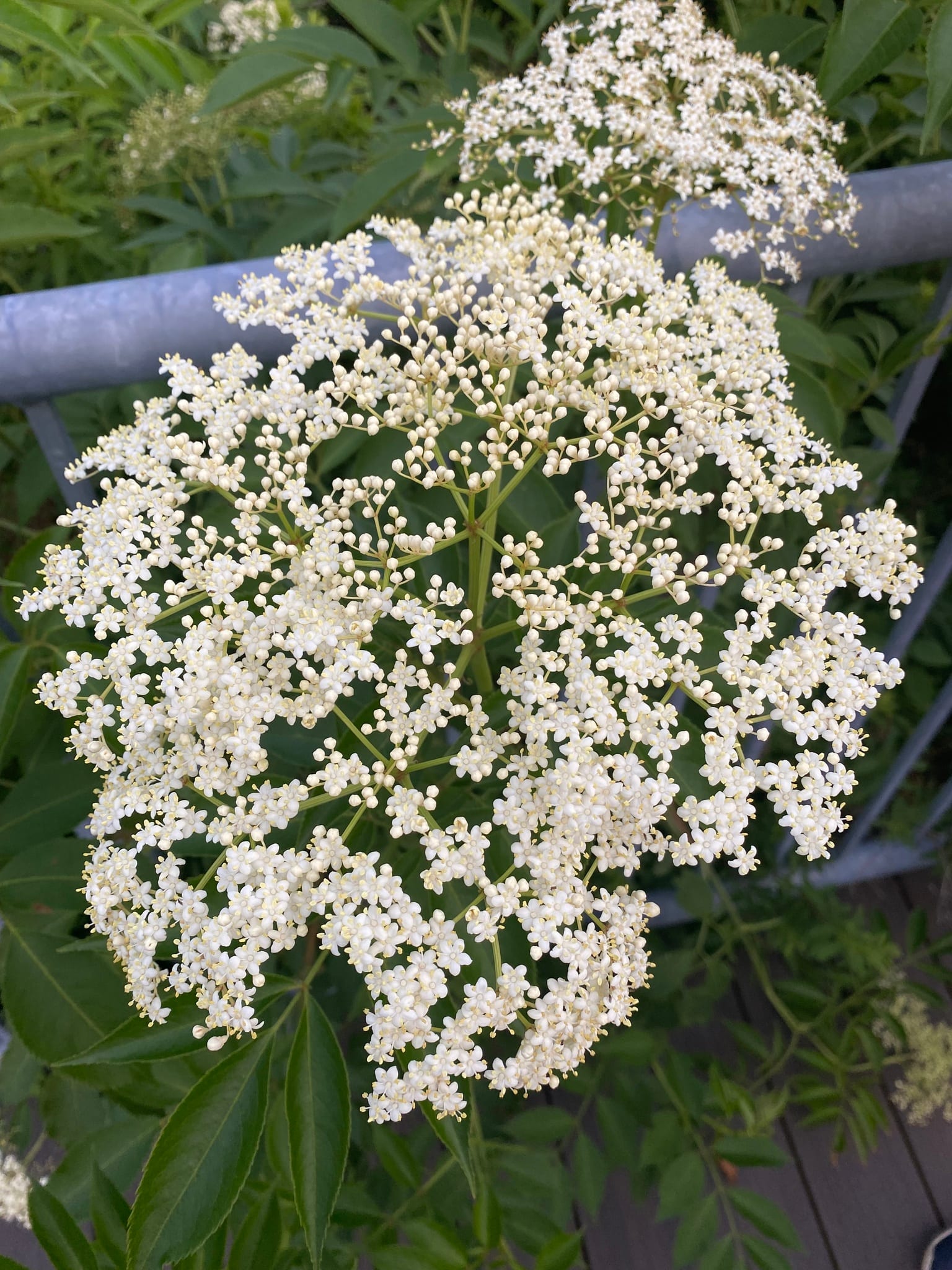
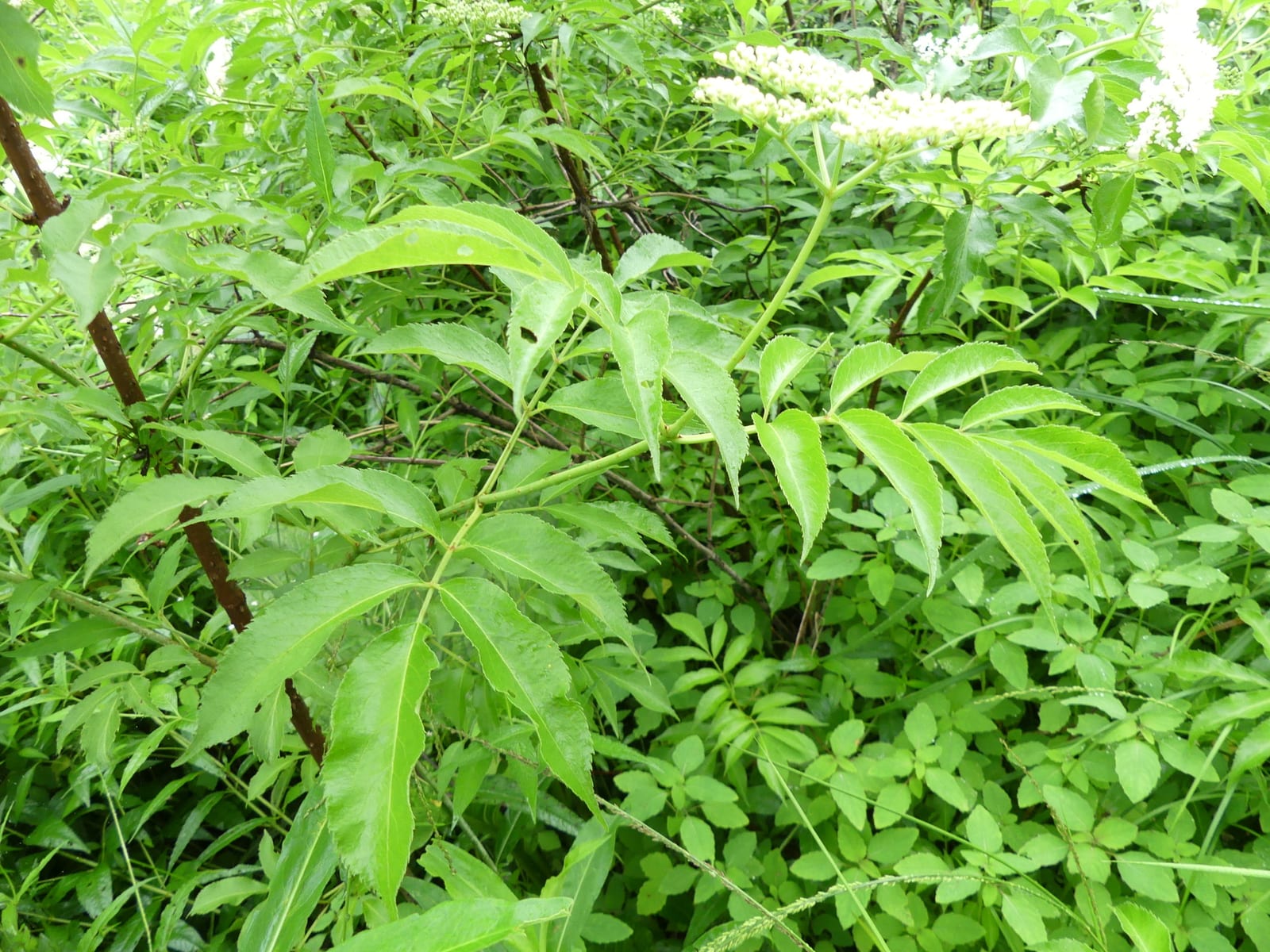
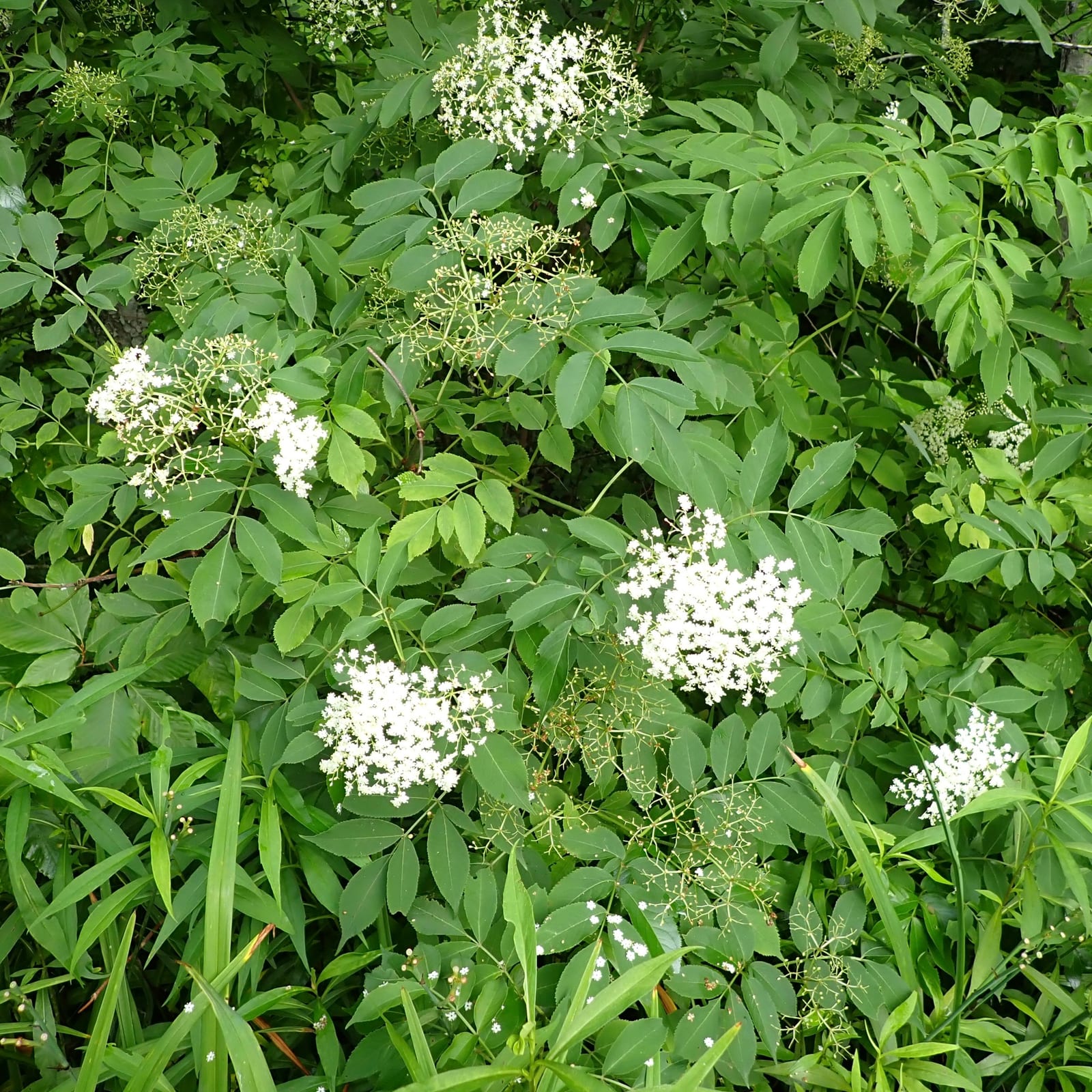
Confirm EVERY point before you eat it
0 of 3 confirmed. If any point does not match, it is not this plant.
Look-alikes to rule out
- Water hemlockDeadly
Alternate leaves, hollow non-woody stems, spotted purple. Elderberry has opposite leaves and woody stems.
See the card → - Poison hemlock (before flowering)Deadly
Smooth, hairless stem with purple-red blotches, fern-like leaves and a musty smell when crushed. Elderberry stems are woody and brown with rough bark.
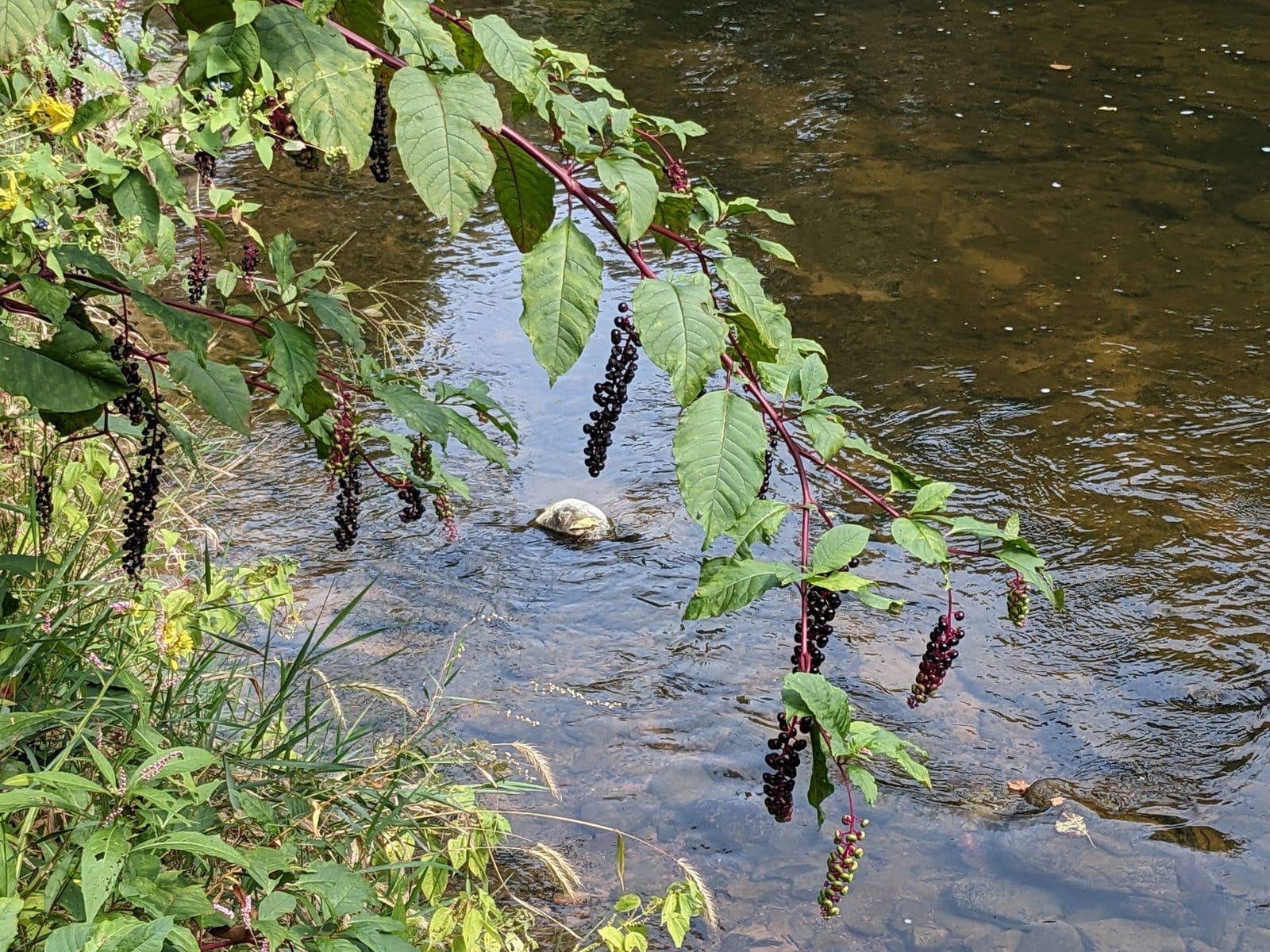
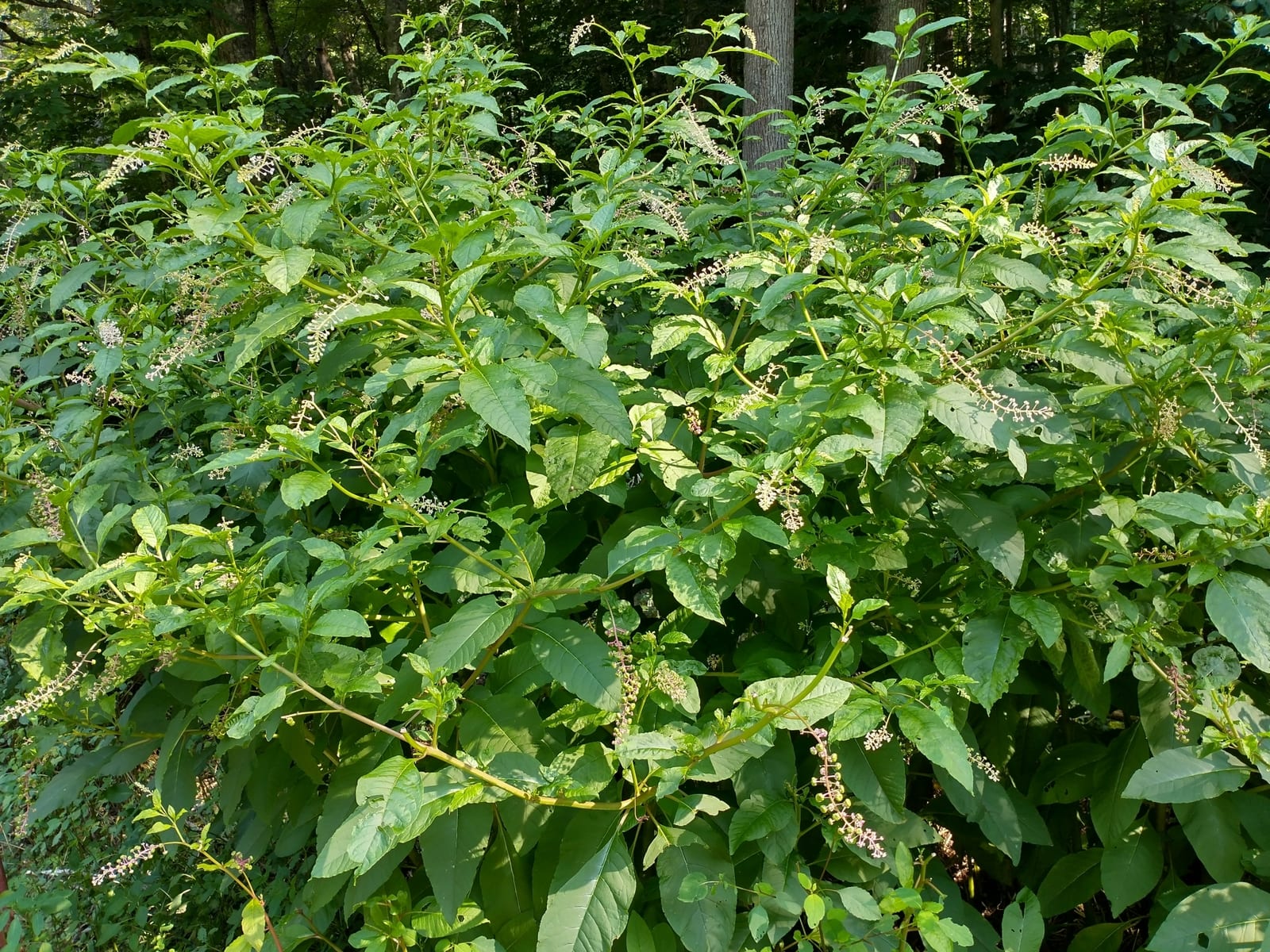
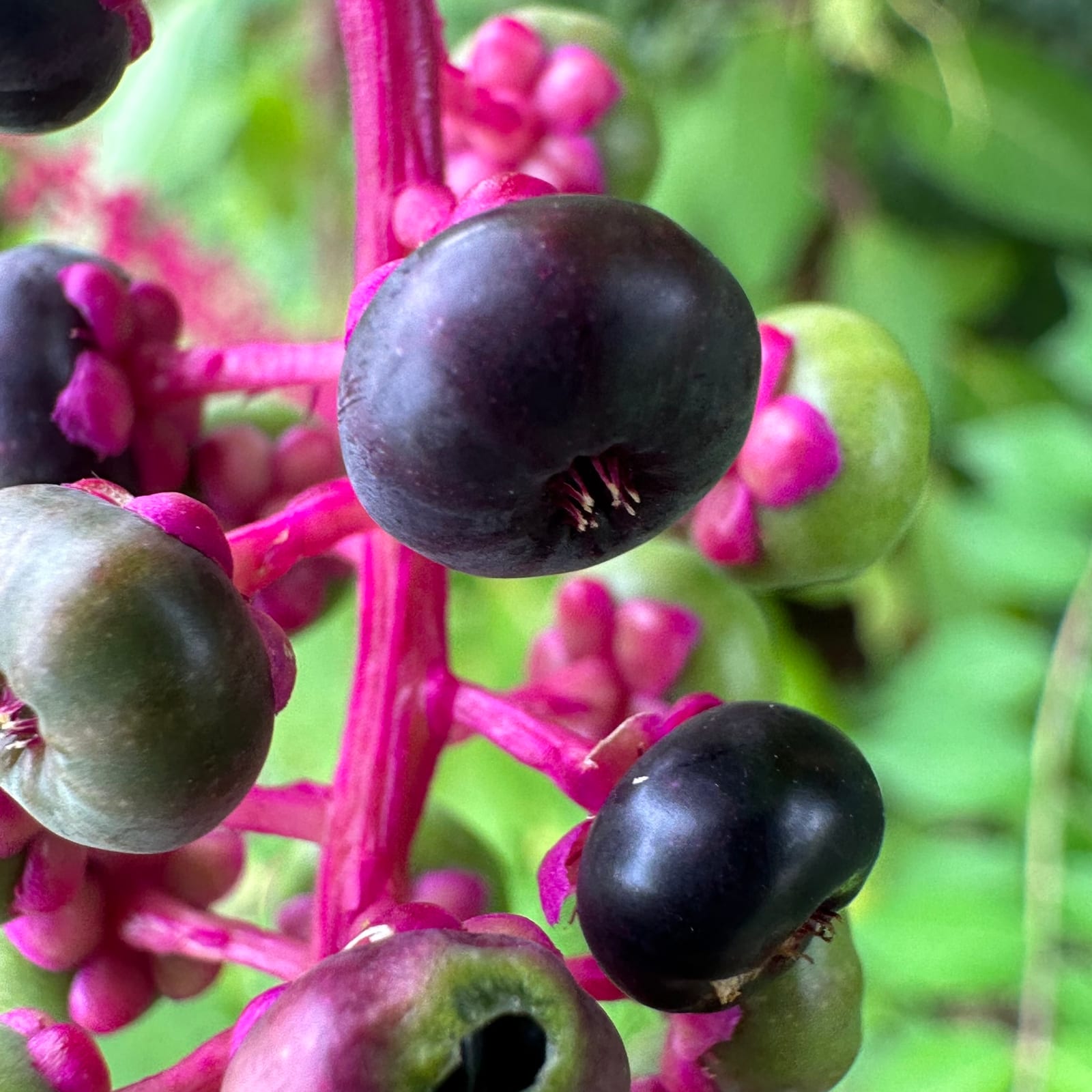
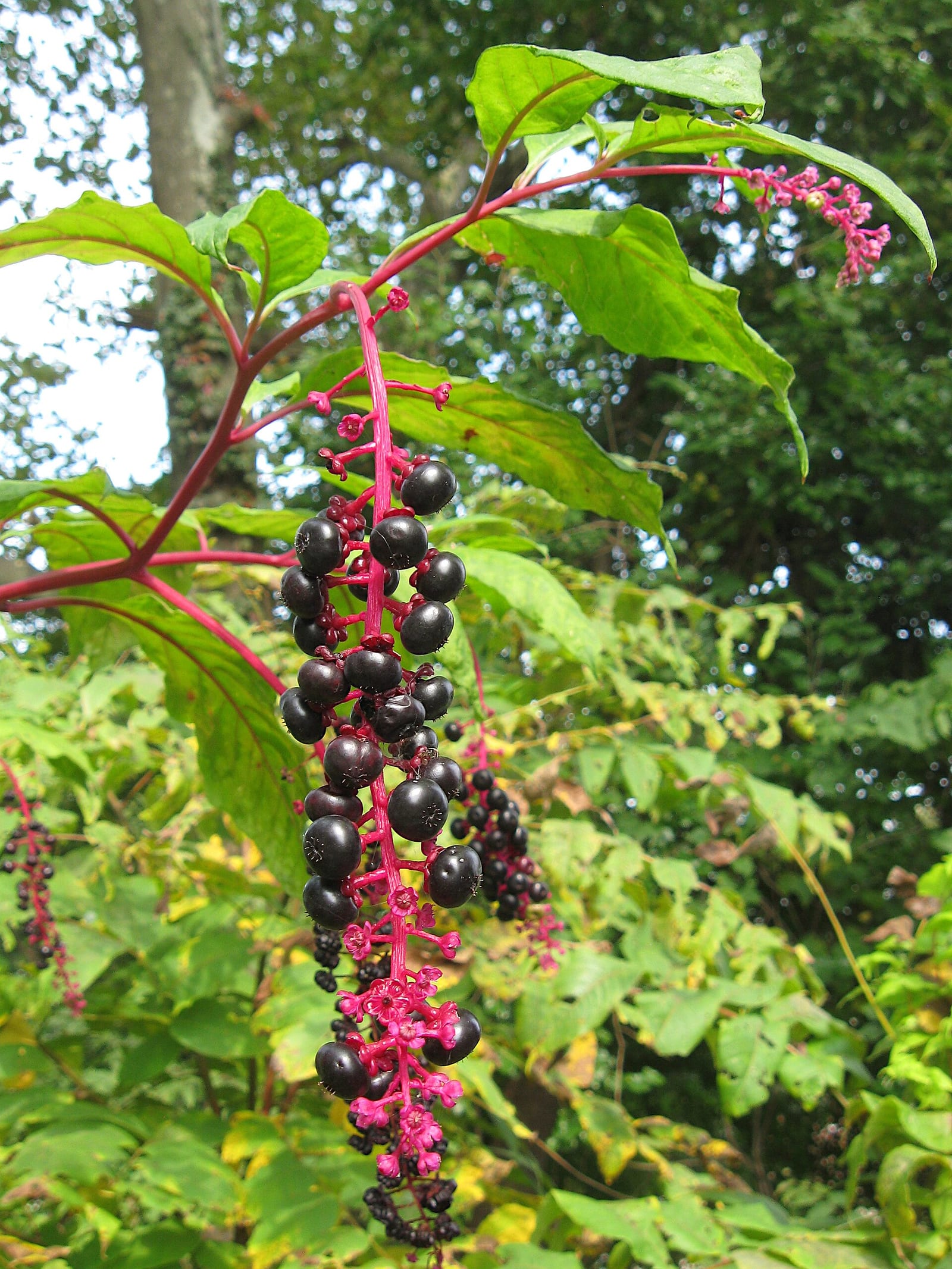
See the card → - Pokeweed berriesToxic
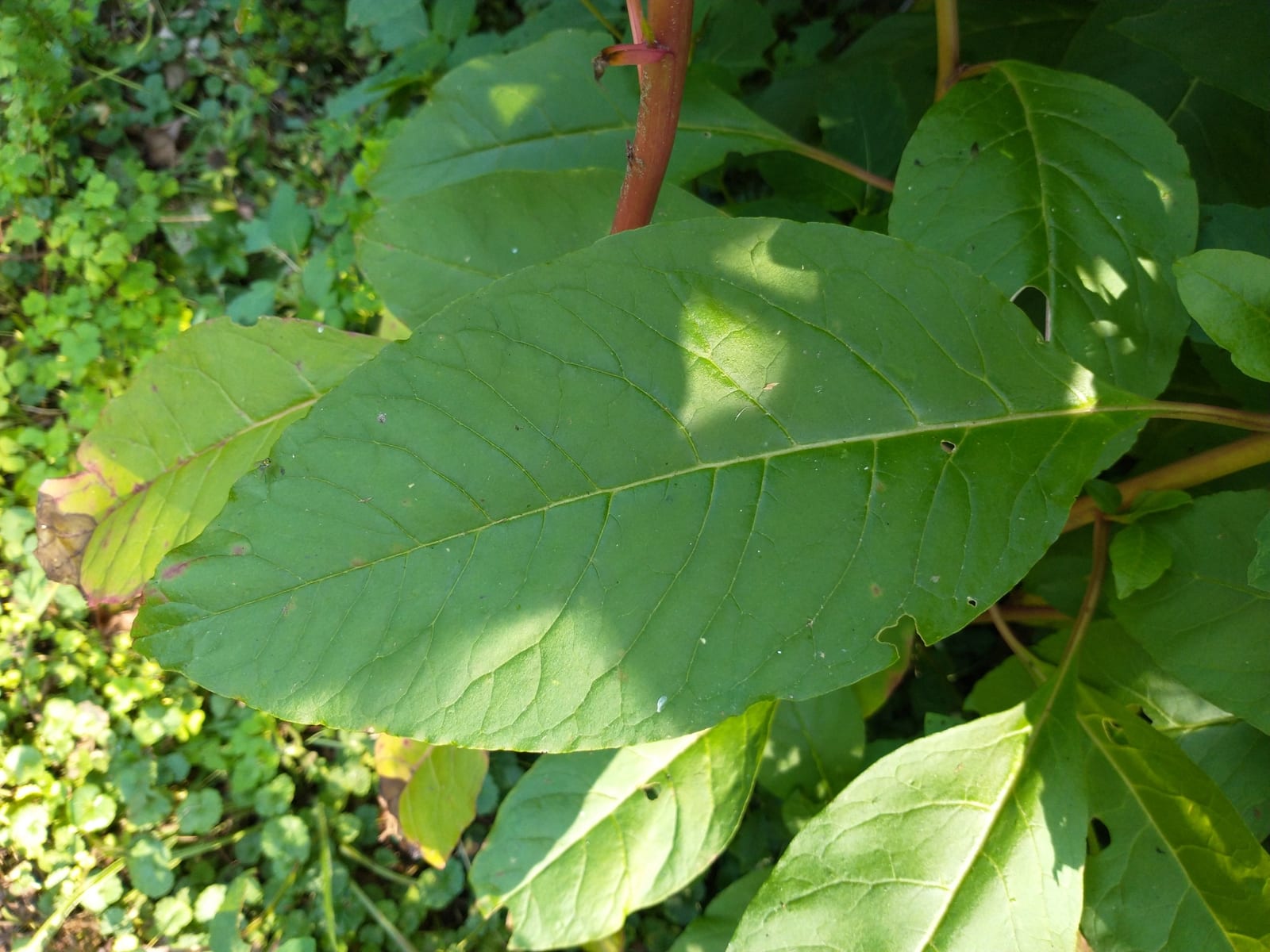
Berries hang on a long magenta stalk, leaves are simple and smooth-edged.
Warnings
- Raw berries, leaves, stems, bark and roots can cause nausea and vomiting. Cook berries and remove all stems.
- Avoid green, unripe berries.
- Traditionally cautioned against during pregnancy and breastfeeding. Treat that as a real caution, not a settled fact either way.
- Keep out of reach of children.
In season
June, July, August, September
Flowers June-July; berries August-September.
Habitat
Parts used
Preparation and use
Harvest note
Educational reference only. Never eat a wild plant or mushroom based on a website or app. Confirm with an experienced forager, your local extension office, or a mycological club. Poison Control (US): 1-800-222-1222. Call 911 for severe symptoms.